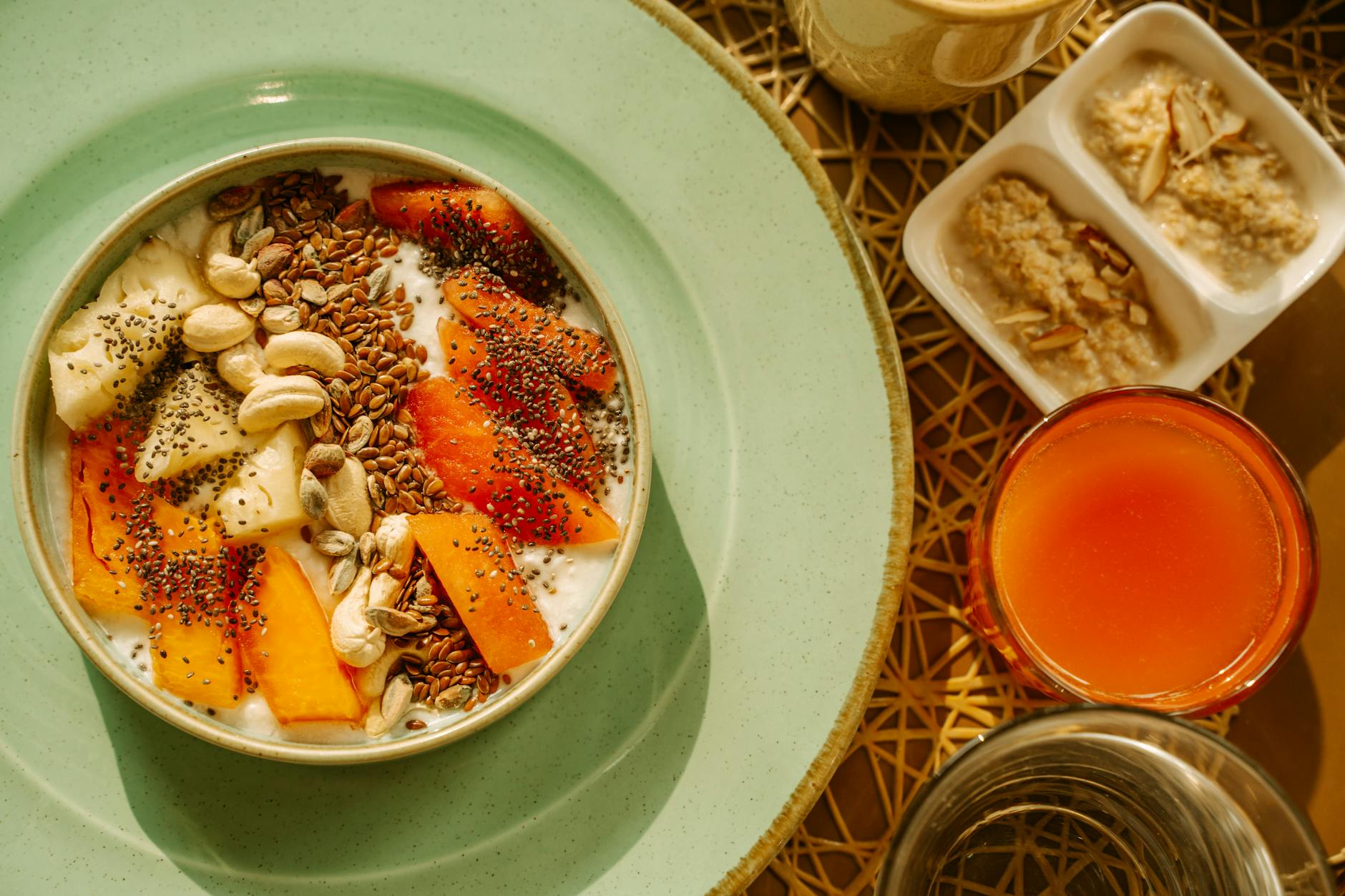

TL;DR: Skipping breakfast or eating poorly in the morning drains energy for hours. These 10 science-backed Indian breakfast habits — from eating within 90 minutes of waking to choosing low-GI grains like ragi and oats — help you stay focused, avoid mid-morning crashes, and build lasting metabolic health.
Starting your day with the wrong food is like filling a car with the wrong fuel. You move, but badly. Millions of Indians skip breakfast entirely or default to maida-heavy parathas and sugary chai — and then wonder why energy crashes hit by 11 AM.
The good news: Indian cuisine already has everything you need for a high-energy morning. The problem is habit, not availability. This guide covers 10 healthy Indian breakfast habits that are practical for working professionals, students, and homemakers across metros and tier-2 cities alike.
No fancy imports. No expensive supplements. Just the right approach to what’s already in your kitchen.
What Are Healthy Indian Breakfast Habits?
Healthy Indian breakfast habits are consistent morning eating patterns that use traditional Indian foods — grains, legumes, dairy, and vegetables — to sustain energy, regulate blood sugar, and support gut health throughout the day.
These are not diet fads. They are structured, repeatable behaviors backed by nutritional science and grounded in regional Indian cooking traditions. A healthy breakfast habit includes what you eat, when you eat it, and how much you eat — all three matter equally.
For most Indian adults, a healthy breakfast delivers 400–550 calories, at least 15–20 grams of protein, adequate fibre, and low to moderate glycemic index (GI) foods that release energy slowly rather than spiking blood sugar sharply.
Why Breakfast Habits Matter for India’s Workforce in 2026
India’s urban workforce is facing a productivity crisis rooted partly in poor nutrition. According to the Indian Council of Medical Research (ICMR)’s National Nutrition Monitoring Bureau, over 42% of urban Indian adults report eating breakfast irregularly or skipping it entirely as of 2024 — a figure nutritionists expect has worsened by 2026 as work-from-home fatigue and late-night screen habits push sleep and wake cycles later.
Poor breakfast quality directly links to chronic disease risk. The National Health Authority of India reports that Type 2 diabetes now affects approximately 10.1 crore Indians — the highest ever — and erratic eating patterns are a contributing factor.
📊 Key stat: A 2024 study published in the Journal of Nutritional Science found that adults who ate a protein-rich breakfast daily had 27% lower afternoon fatigue scores compared to those who skipped or ate high-GI breakfasts.
Beyond individual health, the economic cost is real. Poor nutrition reduces workplace output by an estimated ₹1.2 lakh crore annually in India, per IBEF’s 2024 productivity assessment. Building better morning habits is not just a personal choice — it’s a national productivity lever.
For Indian professionals managing early commutes, school-age children, or demanding schedules, these 10 habits are built for real-world constraints.
10 Healthy Indian Breakfast Habits to Boost Energy
Habit 1: Eat Within 90 Minutes of Waking Up
Your body’s cortisol peak — the hormone that helps you feel alert — occurs 30–45 minutes after waking. Eating within 90 minutes of rising aligns food intake with this natural hormone window, giving your metabolism the signal to activate efficiently.
Skipping food during this window forces your body to draw on stress hormones longer than necessary, creating jitteriness and later energy crashes. Keep breakfast ingredients prepped the night before to remove friction.
Best options: A glass of warm water first, then idli-sambar, poha, or a banana with peanut butter within 90 minutes.
Habit 2: Always Include a Protein Source
Most Indian breakfasts lean carbohydrate-heavy — bread, rice, rava. Carbs alone spike blood glucose quickly and drop it just as fast. Protein slows digestion, stabilises blood sugar, and keeps you full until lunch.
Aim for 15–20 grams of protein at breakfast. You do not need expensive protein powder.
Affordable Indian protein sources:
- 2 boiled eggs (12g protein, ~₹10)
- 1 cup moong dal chilla (14g protein)
- 100g paneer (18g protein, ~₹25)
- 1 cup curd/Greek yogurt (10–12g protein)
- Sprouts (8–10g per cup, virtually free)
Habit 3: Choose Low-GI Grains Over Refined Maida
Maida (refined flour) used in white bread, plain parathas, and most packaged biscuits has a glycemic index of 70–85 — meaning it digests rapidly and spikes blood sugar hard. Low-GI grains release glucose slowly, giving steady, lasting energy.
Low-GI Indian grain swaps:
| High-GI (Avoid) | Low-GI Alternative | GI Score |
|---|---|---|
| White bread | Whole wheat roti | 49 |
| Suji upma | Oats upma | 55 |
| Plain rice flakes | Ragi malt/porridge | 68 → 40 |
| Packaged cornflakes | Jowar porridge | 55 |
| Maida dosa | Ragi dosa | 52 |
Ragi (finger millet) deserves a special mention — it is rich in calcium, iron, and amino acids, costs around ₹40–60 per kg, and is one of the most underused supergrains in urban Indian kitchens.
Habit 4: Hydrate Before You Caffeinate
Millions of Indians wake up and drink chai or coffee before drinking a single glass of water. After 7–8 hours of sleep, your body is mildly dehydrated. Caffeine on an empty, dehydrated stomach elevates cortisol further and can cause acid reflux and jitteriness.
The fix is simple: drink 1–2 glasses of plain water before your morning tea or coffee. Add a squeeze of lemon for electrolytes. This small change alone improves concentration and reduces morning grogginess within one week, according to a 2023 study in Nutrition Reviews.
Habit 5: Add at Least One Seasonal Fruit
Fresh fruit at breakfast provides natural sugars for quick energy activation, plus micronutrients and fibre. Unlike fruit juice (which removes fibre and concentrates sugar), whole fruit has a lower glycemic impact.
Indian seasonal fruits are nutritionally dense and affordable:
- Banana (~₹5): potassium, B6, quick energy
- Papaya (~₹20/serving): digestive enzymes, Vitamin C
- Guava (~₹10): highest Vitamin C of any common fruit, high fibre
- Amla (Indian gooseberry): 20× more Vitamin C than an orange
Eating whole, regional seasonal fruit — not imported apples every day — is both budget-friendly and nutritionally superior for Indian gut microbiomes adapted to local produce.
Habit 6: Cook With Cold-Pressed or Minimally Processed Oils
Many Indian households still cook with refined vegetable oils or vanaspati (hydrogenated fat). These contain trans fats and omega-6 in excess, promoting low-grade inflammation that causes fatigue.
Switch to:
- Cold-pressed groundnut oil (~₹180–220/litre): ideal for South Indian cooking
- Pure ghee (small quantities, ~₹600–800/500g): rich in butyrate, supports gut lining
- Cold-pressed coconut oil (~₹300/litre): medium-chain triglycerides provide fast brain fuel
Use one to two teaspoons per meal — not ladles. Quantity matters as much as quality.
Habit 7: Ferment It When Possible
Fermented foods — idli, dosa, dhokla, kanji, lassi — are one of India’s greatest nutritional assets. Fermentation pre-digests carbohydrates, boosts B-vitamin content, introduces beneficial bacteria, and lowers the glycemic index of the base grain.
📊 Key stat: Research from the Indian Journal of Microbiology (2023) found that consuming fermented rice-based foods (idli/dosa batter) increased Lactobacillus counts in participants’ gut microbiome by 34% over 4 weeks compared to non-fermented equivalents.
If your schedule makes fresh fermentation difficult, keep a pre-made dosa/idli batter in the fridge (lasts 3–4 days) or buy quality packed batter from trusted local brands.

Habit 8: Eat Mindfully — No Screens for 10 Minutes
This is not wellness fluff. Eating while staring at a phone or laptop activates the sympathetic (fight-or-flight) nervous system, suppressing digestive enzyme production. Result: you absorb fewer nutrients from the same meal.
Even 10 minutes of screen-free, seated eating improves digestion, reduces overeating, and sharpens your focus for the next hour. Make it a non-negotiable rule for weekday mornings. Small habit, measurable difference.
Habit 9: Include a Handful of Nuts or Seeds
Nuts and seeds provide healthy fats, magnesium, zinc, and slow-burning calories that extend energy between breakfast and lunch. They require zero preparation.
Best affordable options for India:
- Peanuts (~₹80/500g): highest protein nut, ideal for Indian budgets
- Walnuts (~₹700/500g): omega-3 fatty acids, brain health
- Flaxseeds (~₹100/500g): fibre, lignans, anti-inflammatory
- Pumpkin seeds (~₹200/250g): magnesium, zinc, mood regulation
A small handful (20–30g) is sufficient — not a full bowl. Portion control applies here as with ghee.
Habit 10: Batch-Prep Breakfasts on Sunday Night
The single biggest reason Indians skip breakfast or eat poorly is time. A Sunday evening 45-minute prep session can eliminate weekday morning friction entirely.
What to batch-prep:
- Overnight oats (make 4–5 jars)
- Boiled eggs (lasts 5 days refrigerated)
- Idli/dosa batter (lasts 3–4 days)
- Chopped fruit salad (lasts 2 days)
- Roasted makhana or mixed nuts (lasts 2 weeks)
- Pre-cooked sprouts (lasts 3 days)
This single organisational habit creates the conditions for all other nine habits to succeed consistently.
Healthy Indian Breakfast vs Typical Indian Breakfast: Comparison
| Factor | Typical Indian Breakfast | Healthy Indian Breakfast |
|---|---|---|
| Protein content | 3–6g | 15–20g |
| GI level | High (70–85) | Low–Medium (40–60) |
| Preparation time | 5–30 min | 5–20 min (with prep) |
| Average cost | ₹20–80 | ₹30–100 |
| Energy sustained | 1–1.5 hours | 3–4 hours |
| Gut health impact | Neutral to negative | Positive (fermented) |
| Nutrient density | Low–Medium | High |
How to Build These Habits Without Overhauling Your Life
You do not need to adopt all 10 habits simultaneously. Stack them progressively:
Week 1: Add water before chai + eat within 90 minutes of waking.
Week 2: Add a protein source to your existing breakfast.
Week 3: Swap one high-GI item for a low-GI alternative.
Week 4: Add fruit + Sunday batch-prep session.
By week four, half the habits are in place and your energy levels will be noticeably different. The remaining habits layer in naturally.
For those managing specific health goals — blood sugar, weight management, or athletic performance — consult a registered dietitian (RD) listed on the Nutrition Society of India’s directory. General habits are a starting point; personalised guidance goes further.
For more resources on building productive daily routines with AI and digital tools, explore our guides on practical wellness and productivity hacks for Indian professionals and top AI tools for managing daily tasks.
Frequently Asked Questions
Q: What is the best time to eat breakfast in India for maximum energy?
A: Eat breakfast within 90 minutes of waking — ideally between 7:00–9:00 AM for most working Indians. This aligns with your cortisol peak and activates metabolism early. Waiting beyond 10 AM regularly disrupts blood sugar regulation and reduces morning cognitive performance.
Q: Can idli and dosa be considered a healthy breakfast option in 2026?
A: Yes. Fermented idli and dosa made from rice-urad batter are excellent — low GI, probiotic, easy to digest. Pair with sambar (adds protein via lentils) and coconut chutney for a balanced plate delivering roughly 12–15g protein per standard serving.
Q: How much protein should an Indian adult eat at breakfast?
A: Aim for 15–20 grams at breakfast. Indian sources like 2 eggs, 1 cup moong dal chilla, 100g paneer, or 1 cup Greek yogurt all hit this range affordably. Most adults need 0.8–1g of protein per kg of body weight daily; breakfast should cover 25–30% of that.
Q: Is chai bad for breakfast energy, or can it be included?
A: Chai in moderation (1 cup, low sugar) after water and food is fine. The problem is drinking chai on an empty stomach — caffeine on an empty stomach raises cortisol and can cause acidity. Always hydrate first, eat first, then have your morning tea.
Q: Which Indian breakfast foods are best for managing blood sugar in 2026?
A: Ragi porridge, moong dal chilla, oats upma, and methi parathas (with whole wheat) are best for blood sugar management in India. These have GI scores between 40–55. Pair any grain with protein and fat (curd, paneer, eggs) to further flatten the glucose response.
Conclusion
Energy is not something you find mid-morning by drinking another coffee. It is built before 9 AM, with consistent, intentional choices about what goes on your plate. The 10 habits in this guide — from timing your meal within 90 minutes of waking to batch-prepping on Sunday nights — are low-cost, India-adapted, and backed by nutritional science.
📊 Key stat: According to the WHO’s 2024 South-East Asia nutrition report, adults who consistently eat a balanced breakfast are 31% less likely to develop metabolic syndrome over a 10-year period compared to regular breakfast skippers.
Start with two habits this week. Add more as they stick. Within 30 days, the difference in focus, mood, and stamina will be clear enough to feel without measuring.
If you want to pair better habits with sharper tools for your professional life, check out our complete resource hub for Indian professionals.
📥 Want more productivity tools? Get our Top 50 AI Tools to Make Money (PDF) — just ₹199. Handpicked and curated for Indian creators, freelancers, and entrepreneurs ready to work smarter in 2026.







1 comment
📥 Get our “Top 50 AI Tools to Make Money (PDF)” — ₹199 – ₹499 at https://99infostore.com/product/top-50-ai-tools-pdf