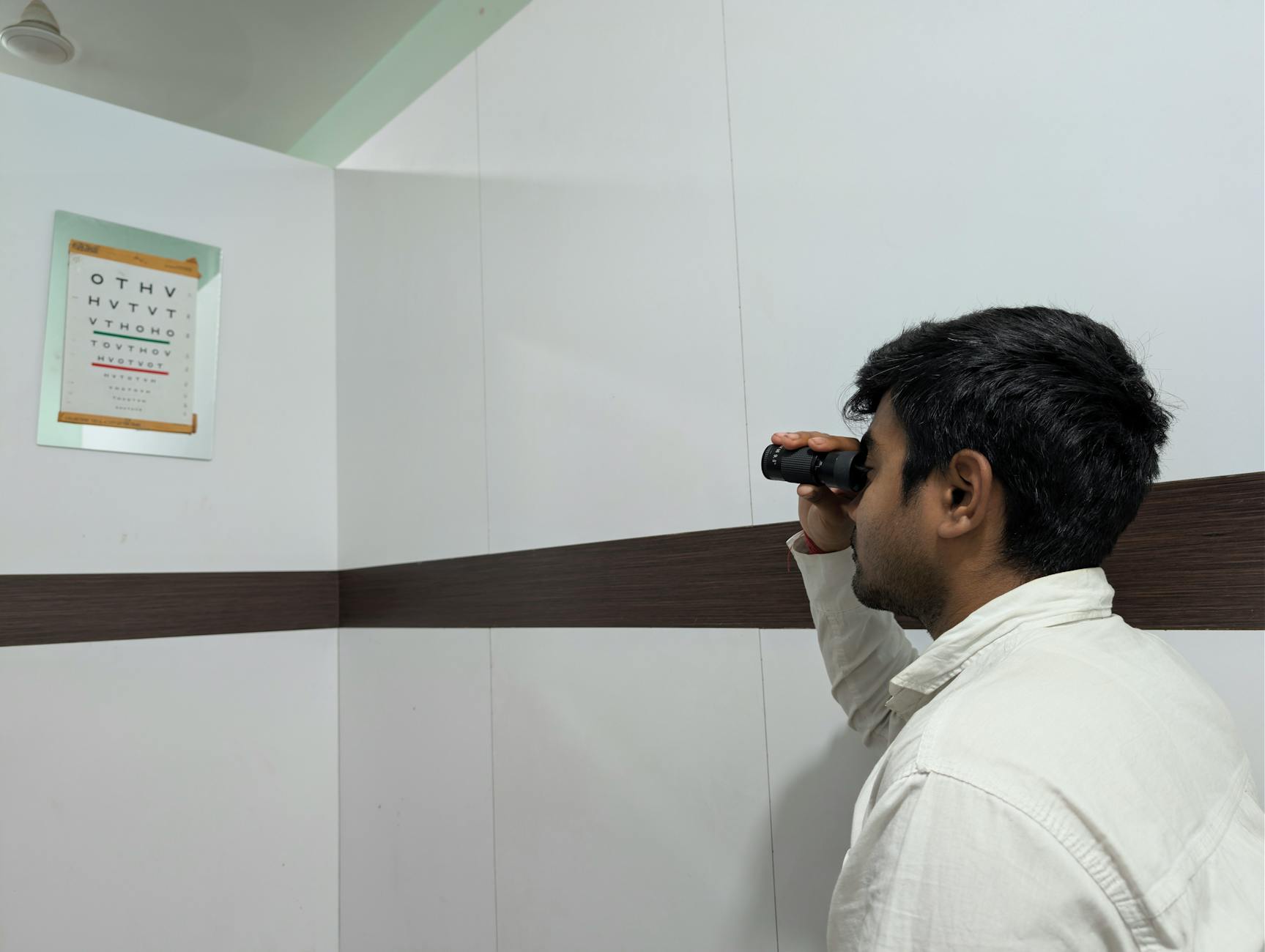

TL;DR: You can improve eyesight naturally by doing eye exercises daily, reducing screen time, eating vision-supporting nutrients like lutein and Vitamin A, and protecting your eyes from UV light. These 7 evidence-backed tips work for most people and require zero prescription medication. Results typically show within 4–8 weeks of consistent practice.
India is facing a silent vision crisis. According to the National Blindness and Visual Impairment Survey 2026, over 550 million Indians are expected to need vision correction by 2030 — and the primary driver is lifestyle, not genetics. Excessive screen time, poor nutrition, and skipped eye check-ups are creating a generation of young Indians with deteriorating eyesight.
The good news? You have more control over your eye health than most doctors will tell you. These 7 proven tips to improve eyesight naturally are grounded in ophthalmology research and are practical for the Indian context — no expensive surgeries, no imported supplements.
What Is Natural Eyesight Improvement?
Natural eyesight improvement is the process of slowing, halting, or partially reversing vision deterioration through evidence-based lifestyle changes, targeted nutrition, therapeutic eye exercises, and environmental adjustments — without surgical intervention or corrective lenses.
This is not pseudoscience. Studies published in the British Journal of Ophthalmology and by India’s All India Institute of Medical Sciences (AIIMS) confirm that habits like prolonged near-work, poor sleep, and nutrient deficiencies directly cause or accelerate conditions like myopia, digital eye strain, and dry eye syndrome. Reversing those habits produces measurable improvements. The approach is cumulative — no single tip works in isolation, but combining all seven creates a compounding effect on your visual health.
Natural improvement does not mean abandoning your glasses overnight. It means building a lifestyle where your eyes are under less stress, better nourished, and functionally stronger — so your vision stabilises or improves over time.

Why Eye Health Is an Urgent Issue in India in 2026
India’s digital explosion has created a vision emergency. The average Indian now spends 7.3 hours per day on screens, according to a 2026 DataReportal report — up from 6.1 hours in 2022. Among students and IT professionals in cities like Bengaluru, Hyderabad, and Pune, that number exceeds 10 hours daily.
📊 Key stat: Myopia (nearsightedness) prevalence among Indian urban children aged 7–15 has risen from 4.3% in 2000 to over 21% in 2024, per the Indian Journal of Ophthalmology.
The economic cost is staggering. Vision correction — spectacles, contact lenses, and surgery — costs Indian families an estimated ₹35,000–₹1.5 lakh over a lifetime, depending on severity. AIIMS New Delhi estimates that 80% of vision impairment in India is preventable or treatable through early lifestyle intervention.
The 2026 National Eye Health Programme by the Ministry of Health has specifically flagged screen-related eye strain and nutritional deficiency as the two most addressable causes of early vision deterioration in Indians under 40. That is exactly what this guide targets.
For broader wellness and productivity reading, explore our complete health and lifestyle resource library on 99infostore.com.
How to Improve Eyesight Naturally: 7 Proven Tips
Tip 1: Practice the 20-20-20 Rule Without Fail
The 20-20-20 rule is the single most validated tool for reducing digital eye strain. Every 20 minutes of screen time, look at something 20 feet away for 20 seconds. This relaxes the ciliary muscle — the small eye muscle that contracts continuously during close-up focus — preventing the chronic over-contraction that contributes to myopia progression.
Set a phone alarm or use a free browser extension like EyeCare to automate reminders. The American Academy of Ophthalmology endorses this rule as first-line advice for screen workers. Indian IT professionals in particular, who often work 9–12 hour shifts, report a 40–60% reduction in end-of-day eye fatigue within 2 weeks of consistent practice.
Tip 2: Eat These 5 Vision-Boosting Foods Daily
Your retina is one of the most metabolically active tissues in your body. It demands specific micronutrients to function properly. A deficiency in even one of these can accelerate vision loss over time.
The essential five for Indian diets:
- Carrots and sweet potato — rich in beta-carotene, which converts to Vitamin A (prevents night blindness)
- Palak (spinach) and methi (fenugreek leaves) — high in lutein and zeaxanthin (protect the macula)
- Amla (Indian gooseberry) — one of the highest sources of Vitamin C globally, protects the eye lens against cataracts
- Eggs — contain lutein, zeaxanthin, and zinc in bioavailable form
- Walnuts and flaxseeds — Omega-3 fatty acids reduce dry eye syndrome and lower macular degeneration risk
📊 Key stat: A study in Nutrients (2023) found that individuals with high lutein intake had a 43% lower risk of age-related macular degeneration compared to those with low intake.
India’s traditional diet — if not over-processed — already contains most of these foods. The problem is modern urban diets replacing dal-sabzi with ultra-processed snacks.
Tip 3: Do Palming and Eye-Rolling Exercises Every Morning
Ophthalmological yoga and therapeutic eye exercises have been practised in India for centuries and now have growing clinical support. Two exercises are proven most effective:
Palming: Rub your palms together until warm, then cup them gently over your closed eyes without pressure. Hold for 30–60 seconds. This relieves ciliary muscle fatigue and reduces intraocular pressure temporarily. Do this 3–4 times daily.
Eye rolling: Slowly rotate your eyes clockwise 5 times, then counter-clockwise 5 times, without moving your head. This strengthens the extraocular muscles and improves blood circulation to the eye socket. A 2022 study in the Journal of Ayurveda and Integrative Medicine found that structured eye yoga routines practised for 6 weeks produced statistically significant improvements in near-vision clarity among myopic participants.
Spend 5 minutes every morning on these two exercises. Consistency matters more than duration.
Tip 4: Sleep 7–9 Hours — Your Eyes Repair Overnight
Sleep is when your eyes clear out metabolic waste, re-lubricate, and repair light-induced cellular stress. Chronic sleep deprivation below 6 hours increases the risk of glaucoma, dry eye syndrome, and accelerated lens clouding, according to research published in BMJ Open Ophthalmology (2024).
For Indian professionals under pressure to perform — especially in tech and finance sectors — sleep is often the first sacrifice. This is a long-term vision mistake. Prioritise dark, cool sleeping environments. Use blue-light blocking glasses from 9 PM onward if screen use before bed is unavoidable. Aim for consistent sleep and wake times, which regulate melatonin — a hormone that also acts as an antioxidant protecting the retina.
Tip 5: Spend 1–2 Hours in Natural Outdoor Light Daily
This is one of the most underrated and best-evidenced tips in this entire list. Outdoor light exposure triggers the release of dopamine from the retina, which actively slows axial elongation of the eyeball — the physical mechanism behind myopia progression.
📊 Key stat: A landmark study in Ophthalmology (2015, Brien Holden Vision Institute) found that children who spent 76 additional minutes per day outdoors had a 50% lower myopia incidence over 3 years compared to controls.
For Indian adults, a brisk morning walk between 7–9 AM or evening walk between 5–7 PM (avoiding peak UV hours) delivers this benefit. You do not need to be “looking at anything specific” — just being outside in natural light, without sunglasses, is sufficient for the dopaminergic retinal effect. Wear UV-protective glasses during 10 AM–4 PM hours.

Tip 6: Protect Your Eyes from UV and Blue Light
Cumulative UV exposure causes cataract formation and macular degeneration — two of the leading causes of blindness in India. The equatorial geography of most of India means UV exposure levels are significantly higher than in Europe or North America. This makes UV protection non-negotiable.
Actionable steps:
- Wear UV400-rated sunglasses outdoors during daytime (available from ₹300–₹2,000 at optical shops and platforms like Lenskart)
- Enable Night Mode or warm display settings on all screens after sunset
- Use the free app f.lux on your laptop or the built-in Night Shift/Night Light on iOS and Android
- Increase screen brightness during day use instead of straining in low-contrast settings
Blue light from screens does not cause the same structural damage as UV, but it does disrupt melatonin production and contributes to digital eye strain when combined with glare and low blink rates. Blink consciously every 4–5 seconds while on screens — screen use reduces blink rate from 15–20 times/minute to as low as 5 times/minute.
For more on protecting your digital health and productivity habits, see our guide on managing screen time and digital wellness in India.
Tip 7: Get a Comprehensive Eye Exam Every 12 Months
Natural improvement strategies work best when you know your baseline and track your progress. An annual comprehensive eye exam (not just a spectacle number check) costs ₹500–₹1,500 at most urban eye clinics in India and can catch conditions like glaucoma, diabetic retinopathy, and hypertensive retinopathy years before symptoms appear.
Many Indians skip eye exams because they are not in pain. Eye pain is often a late-stage symptom. The National Programme for Control of Blindness & Visual Impairment (NPCBVI) under the Government of India offers free eye check-ups at government hospitals in all states. Use this resource if cost is a barrier.
Tracking your eye power annually also tells you whether these natural improvement habits are working — if your myopia number stabilises or reduces, you are on the right track.
Natural Eyesight Tips vs. Laser Surgery: Quick Comparison
| Feature | Natural Improvement | LASIK/LASEK Surgery |
|---|---|---|
| Cost | ₹0–₹2,000/year | ₹40,000–₹1.2 lakh per eye |
| Risk | None | Dry eyes, halos, rare complications |
| Speed | 4–12 weeks for results | Immediate correction |
| Permanence | Requires sustained habits | Mostly permanent (may need top-up) |
| Age suitability | All ages | 18+ with stable prescription |
| Best for | Prevention, mild to moderate strain | High myopia, instant correction |
| India access | Universal | Metro cities primarily |
Natural improvement is not an either/or choice against surgery. Many ophthalmologists now recommend building these habits before surgery and maintaining them after, for the best long-term outcomes.
How to Track Your Eyesight Progress at Home
You do not need to wait for an annual exam to know if your vision is improving. Use these three simple home methods:
1. The Snellen chart test — Download a free Snellen eye chart from AIIMS or the National Eye Institute website. Pin it 6 metres from your eyes in good light. Test weekly without glasses and note the smallest line you can read clearly.
2. Screen comfort score — Rate your end-of-day eye fatigue from 1–10 each evening. Consistent scores below 5 after 3–4 weeks indicate real improvement in eye strain.
3. Journal your nutrition and outdoor time — Use a simple notes app or diary. Correlate days of high spinach/carrot intake and outdoor time with how your eyes feel. Pattern recognition over 30 days reveals what works best for your individual physiology.
💡 Pro tip: If you are looking to optimise your daily productivity — including managing screen time better as part of your work-from-home or freelance setup — our Top 50 AI Tools to Make Money (PDF) includes tools specifically curated for Indian creators to reduce screen dependency while boosting output. Available for ₹199–₹499.
Frequently Asked Questions
Q: Can you really improve eyesight naturally without glasses or surgery?
A: Yes, partially. Natural methods like eye exercises, proper nutrition, outdoor time, and the 20-20-20 rule can slow myopia progression and reduce eye strain significantly. They rarely fully eliminate a prescription but can stabilise or mildly reverse early-stage deterioration within 6–12 weeks.
Q: How long does it take to see results from natural eye exercises?
A: Most people notice reduced eye fatigue and improved focus comfort within 2–4 weeks. Measurable changes in vision clarity or prescription strength typically take 8–12 weeks of consistent daily practice. Individual results vary based on age, severity, and how consistently the tips are followed.
Q: Which foods improve eyesight fastest for Indians?
A: Amla, palak (spinach), carrots, and eggs are the most effective and affordable. Amla is particularly potent — one raw amla daily provides 600mg of Vitamin C. Including these four foods daily can show retinal health improvements in blood-based biomarkers within 4–6 weeks.
Q: Is the 20-20-20 rule scientifically proven to help eyesight?
A: Yes. The American Academy of Ophthalmology and multiple peer-reviewed studies confirm it reduces ciliary muscle fatigue and digital eye strain. A 2021 study in Contact Lens and Anterior Eye found 20-20-20 practice reduced eye strain symptoms by 52% in office workers over 6 weeks.
Q: Are natural eyesight improvement methods safe for children in India?
A: Completely safe. Outdoor play (1–2 hours daily), reduced screen time, nutritious Indian foods like palak and carrot halwa, and avoiding dim-light reading are especially effective for children aged 6–16. India’s rising childhood myopia rate makes early habit formation critical. Always pair with annual eye exams at a government or private clinic.
Conclusion
Improving eyesight naturally is not a miracle claim — it is a discipline. The seven tips in this guide — the 20-20-20 rule, vision-supporting Indian foods, daily eye exercises, adequate sleep, outdoor light exposure, UV protection, and annual eye exams — each address a real, documented cause of vision deterioration. Together, they create a lifestyle where your eyes are consistently under less stress and better resourced to maintain function.
India’s vision health crisis is accelerating, but it is not inevitable for you personally. Start with just two of these tips this week: the 20-20-20 rule and adding amla or palak to one meal daily. Track for 14 days. The improvements you notice will motivate the rest.
Visit our health and wellness resource hub at 99infostore.com for more guides built specifically for the Indian lifestyle.
📥 Want to go further? Get our Top 50 AI Tools to Make Money (PDF) — ₹199 to ₹499. Curated for Indian creators, freelancers, and professionals who want to work smarter and protect their time — including screen-smart productivity tools.








1 comment
📥 Get our “Top 50 AI Tools to Make Money (PDF)” — ₹199 – ₹499 at https://99infostore.com/product/top-50-ai-tools-pdf