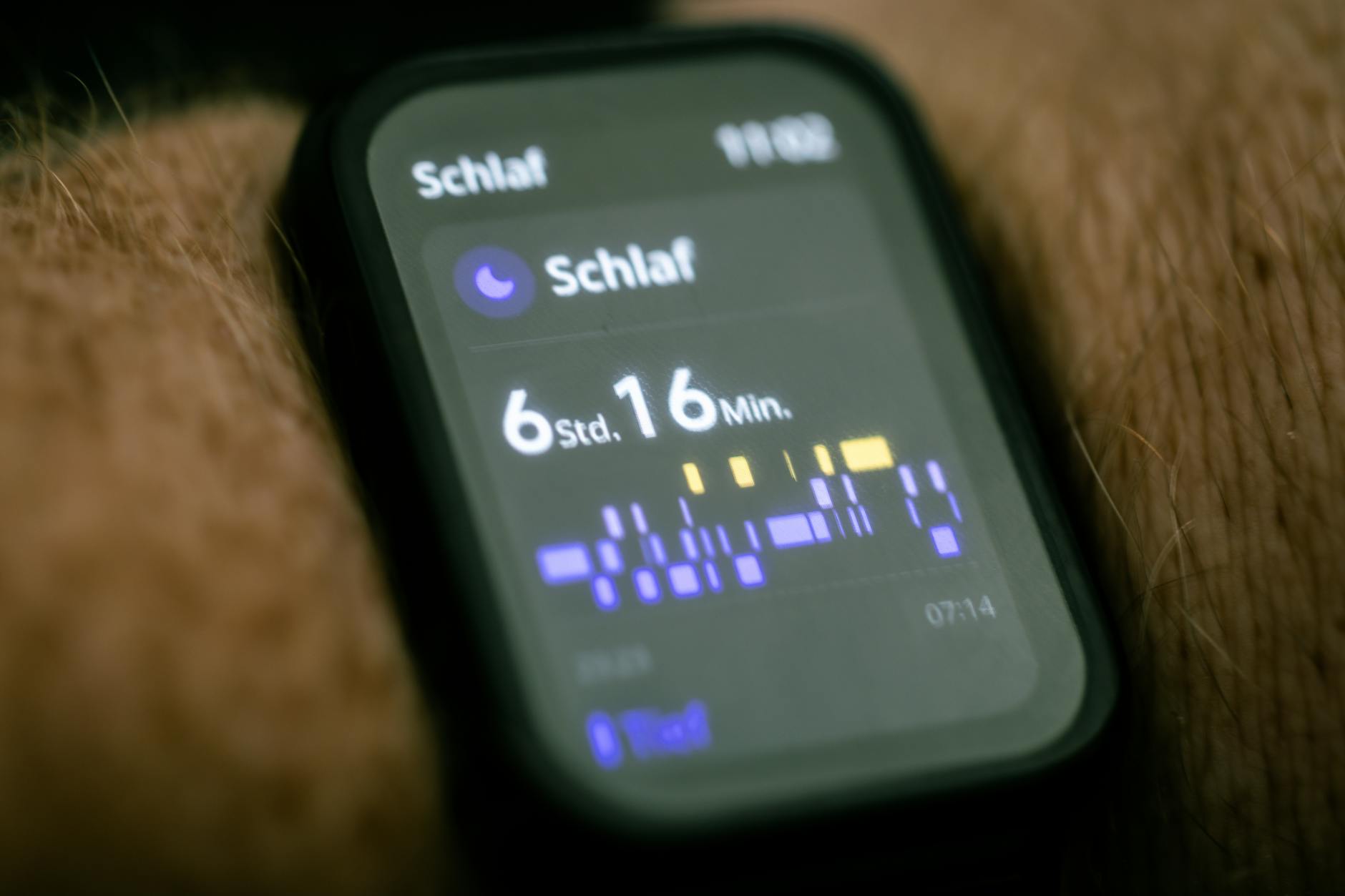

TL;DR: India’s wearable health tech market is growing at 35% annually, with devices now tracking everything from blood oxygen to ECG under ₹5,000. The top picks for 2026 include the Noise ColorFit Pro 5, Fitbit Charge 6, and Apple Watch SE 2 — each offering serious health monitoring without requiring a hospital visit.
India has a health problem, and wearable technology is quietly solving it. With over 1.4 billion people, a rising incidence of diabetes, hypertension, and cardiovascular disease, and an underfunded healthcare system, Indians are turning to smartwatches and fitness bands to monitor their own vitals — before symptoms become emergencies.
The good news: in 2026, you don’t need to spend ₹30,000 to get a device with medical-grade sensors. Brands like Noise, boAt, and Samsung have pushed serious health features into the ₹2,000–₹8,000 bracket. This guide covers the 10 best wearable health gadgets available in India right now, with real specs, honest comparisons, and clear guidance on who each device is best suited for.
What Is a Wearable Health Gadget?
A wearable health gadget is a body-worn electronic device that continuously monitors one or more physiological metrics — such as heart rate, SpO2, sleep quality, stress levels, or ECG — and delivers that data to a smartphone app or cloud platform.
Looking to buy or compare latest prices online? View verified deals, user reviews, and discounts directly on Amazon India:
These devices range from basic fitness bands (₹1,500–₹3,000) to advanced smartwatches (₹20,000–₹80,000) with FDA-cleared or CE-certified sensors. Unlike a clinical visit, wearables give you longitudinal data — not a single snapshot, but weeks or months of trends that can flag abnormalities early.
In India, the most widely adopted wearables track steps, heart rate, and sleep. The 2026 generation, however, has expanded into continuous blood glucose estimation, skin temperature monitoring, and fall detection — features that matter deeply for India’s 77 million diabetics and its rapidly ageing population.

Why Wearable Health Gadgets Matter in India in 2026
India’s wearable market shipped 73.4 million units in 2025, making it the second-largest wearables market in Asia-Pacific, according to IDC India. That number is projected to cross 95 million units by end of 2026 — a 30% jump driven by post-pandemic health awareness and falling device prices.
📊 Key stat: India has 77 million diagnosed diabetics as of 2026 (IDF Diabetes Atlas), making continuous health monitoring a genuine medical priority, not just a fitness trend.
The government is accelerating this shift. MEITY’s Digital Health Mission and the Ayushman Bharat Digital Mission (ABDM) are integrating wearable data into personal health records, meaning your smartwatch data could soon be shared directly with your doctor through a verified UPI-linked health ID.
Affordability is the real game-changer. In 2022, a device with SpO2 monitoring cost ₹8,000 minimum. In 2026, you can get accurate SpO2, heart rate, and sleep tracking for under ₹2,500 from brands like Noise and boAt — no EMI needed. This price compression is putting clinical-grade data in the hands of first-time health-tech users in Tier 2 and Tier 3 cities.
For more context on how AI is accelerating health tech in India, see our guide on best AI tools for Indian freelancers and professionals.
How Wearable Health Monitoring Works: Step-by-Step
Step 1: Sensor Data Collection
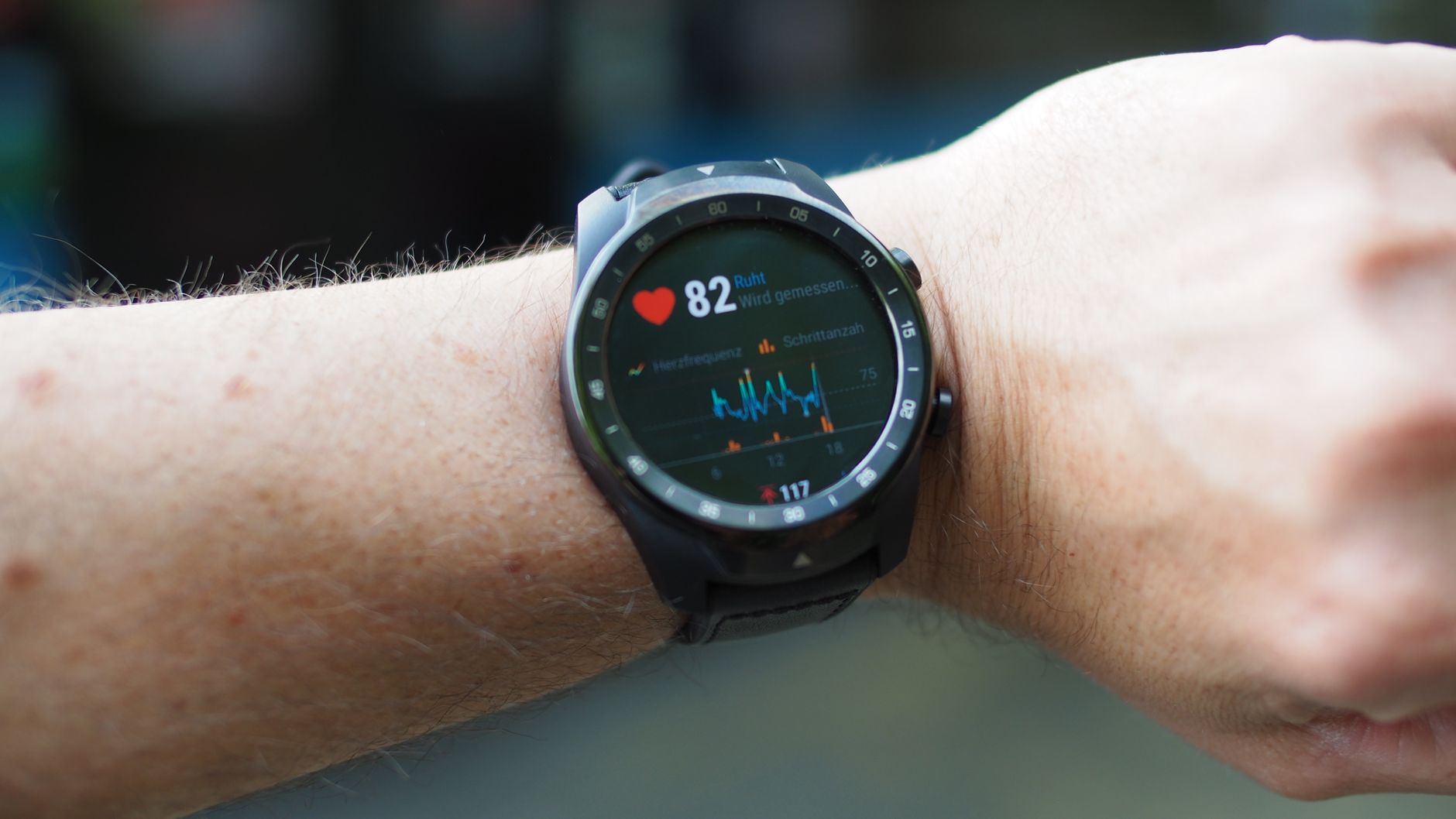
The device uses photoplethysmography (PPG) sensors — LEDs that shine light into your skin — to measure blood flow variations. Advanced devices add electrical sensors for ECG and bioimpedance sensors for body composition. Data is collected continuously, typically every 5–10 minutes for passive monitoring, and in real-time during workouts.
Step 2: On-Device Processing
Modern wearable chips (like MediaTek MT2523 or Qualcomm’s wearable SoCs) process raw sensor signals locally, apply filtering algorithms, and calculate metrics like resting heart rate, SpO2 percentage, and HRV (heart rate variability). This reduces battery drain compared to streaming raw data to your phone.
Step 3: App Sync and Insight Generation
Processed metrics sync to a companion app (Zepp, Fitbit, Samsung Health, Apple Health) via Bluetooth. The app aggregates daily, weekly, and monthly trends. In 2026, most platforms use AI-based anomaly detection — flagging when your resting heart rate spikes 15% above your personal baseline, for example.
Step 4: Action and Integration
Better apps push actionable alerts — “Your sleep debt this week is 4.2 hours” or “Irregular rhythm detected — consult a cardiologist.” Some Indian health platforms now integrate with Practo and Apollo 24|7 for direct doctor consultations triggered by wearable alerts.
Budget vs. Premium Wearables: Quick Comparison
| Feature | Budget (Under ₹5,000) | Premium (₹15,000+) |
|---|---|---|
| Heart Rate Monitoring | ✅ Continuous | ✅ Medical-grade |
| SpO2 / Blood Oxygen | ✅ Spot-check | ✅ Continuous |
| ECG Sensor | ❌ Mostly absent | ✅ Available |
| GPS | ❌ Connected GPS only | ✅ Built-in GPS |
| Battery Life | 5–10 days | 2–5 days (smartwatch) |
| India Brand Options | Noise, boAt, Fire-Boltt | Apple, Samsung, Garmin |
| Best For | Daily health tracking | Athletes, cardiac patients |
| Starting Price | ₹1,499 | ₹15,990 |
Top 10 Wearable Health Gadgets in India for 2026
1. Noise ColorFit Pro 5 — ₹3,499 | The best all-rounder under ₹4,000. Features a 1.85-inch AMOLED display, continuous SpO2, stress monitoring, and 100+ sports modes. Syncs with the NoiseFit app for detailed health dashboards. Made for India, with regional language support.
2. boAt Wave Sigma 3 — ₹2,299 | India’s highest-selling fitness band in 2025–26. Tracks heart rate, SpO2, sleep cycles, and menstrual health. IP68 waterproof. The companion Crest app has improved significantly with AI-based sleep coaching. Excellent battery life at 7 days.
3. Fire-Boltt Ninja Call Pro Plus — ₹1,799 | The best entry-level health wearable in India. Includes Bluetooth calling, SpO2, heart rate, and 120 sports modes. Ideal for senior citizens or first-time wearable users. Available on Amazon India with same-day delivery in most metros.
4. Samsung Galaxy Watch 7 — ₹26,999 | The most comprehensive health smartwatch available on Android in India. Features a BioActive sensor for body composition, continuous HRV, irregular heart rhythm alerts, and a sleep coaching AI. Pairs natively with Samsung Health and works seamlessly with Indian apps.
5. Apple Watch SE 2 — ₹29,900 | The most affordable Apple Watch in India still packs crash detection, fall detection, high/low heart rate alerts, and emergency SOS via satellite. Best for iPhone users who want a reliable, long-term health tracking ecosystem.
6. Garmin Venu 3 — ₹38,990 | Garmin’s flagship health watch for serious fitness tracking. Advanced sleep tracking with napping detection, Body Battery score, and up to 14-day battery life. Recommended for runners, cyclists, and anyone training for competitive events.
7. Fitbit Charge 6 — ₹13,999 | Google’s health-focused fitness band with built-in ECG, EDA (electrodermal activity) for stress, and Google Maps on your wrist. One of the few devices under ₹15,000 with a clinically validated ECG sensor. Works with Google Fit and Indian health insurance apps.
8. Amazfit GTR 4 — ₹10,999 | Offers GPS, continuous SpO2, 150 sports modes, and Zepp OS apps. The Zepp app’s PAI (Personal Activity Intelligence) score is particularly useful for Indians managing sedentary desk jobs. Battery lasts 14 days in typical use.
9. Xiaomi Smart Band 9 Pro — ₹4,299 | Xiaomi’s upgraded band with a larger 1.74-inch AMOLED display, 14-day battery, and accurate SpO2 monitoring. The Mi Fitness app now includes period tracking and stress monitoring. Strong value proposition for budget-conscious buyers.
10. Polar Vantage M3 — ₹24,990 | Purpose-built for fitness enthusiasts. Running power metrics, route planning, recovery tracking, and a cardiovascular load feature that tells you when you’re overtraining. Best for serious amateur athletes and marathon runners in India.
How to Choose the Right Wearable Health Gadget in India
The right device depends entirely on your health goal. Here’s a simple decision framework:
- Managing chronic illness (diabetes, hypertension): Choose Samsung Galaxy Watch 7 or Fitbit Charge 6 — both offer medically relevant metrics and app integrations with healthcare platforms.
- Weight loss and daily fitness: Noise ColorFit Pro 5 or boAt Wave Sigma 3 deliver enough data at a fraction of the cost.
- Serious athletic training: Garmin Venu 3 or Polar Vantage M3 — no other Indian-available devices match their sports science depth.
- Senior citizens: Fire-Boltt Ninja Call Pro Plus with its Bluetooth calling feature doubles as a safety device.
- iPhone ecosystem users: Apple Watch SE 2 is the only logical choice for native health data sync.
For purchasing, check Amazon India and Flipkart for bank offers — HDFC and SBI often provide 10% instant discounts. Several devices also offer no-cost EMI on orders above ₹5,000 using major credit cards.
Frequently Asked Questions
Q: Which wearable health gadget is best under ₹3,000 in India in 2026?
A: The Noise ColorFit Pro 5 (₹3,499) and boAt Wave Sigma 3 (₹2,299) are the top picks under ₹3,000. Both offer SpO2, heart rate monitoring, sleep tracking, and companion apps with AI-based health insights for daily wellness management.
Q: Can wearable gadgets detect heart problems in India?
A: Devices like Fitbit Charge 6 and Samsung Galaxy Watch 7 include FDA-cleared ECG sensors that can detect atrial fibrillation (AFib). These are screening tools only — not diagnostic devices. Always consult a cardiologist if your device flags an irregular rhythm.
Q: Is wearable health data covered under Indian health insurance in 2026?
A: Some insurers — including Niva Bupa and Aditya Birla Health Insurance — offer premium discounts or wellness rewards for sharing wearable step and activity data. Full clinical data integration under ABDM is still evolving but is expected by late 2026.
Q: How accurate is SpO2 monitoring on budget Indian smartwatches?
A: Budget wearables typically show SpO2 accuracy within ±2–3% under resting conditions. During movement or in cold temperatures, accuracy drops. For clinical use — especially for respiratory conditions — a dedicated pulse oximeter remains more reliable than a smartwatch.
Q: Which Indian wearable brands offer the best warranty and after-sales service in 2026?
A: Noise and boAt both offer 1-year manufacturer warranty with pan-India service centres in 100+ cities. Samsung and Apple provide 1-year warranty with authorised service centres in all major metros. Garmin offers 2-year warranty with India-specific support.
Conclusion
India’s wearable health gadget market in 2026 has something genuinely useful for every budget — from the ₹1,799 Fire-Boltt for a first-time user to the ₹38,990 Garmin Venu 3 for a competitive athlete. The most important thing is to start. Longitudinal health data — even basic sleep and heart rate trends tracked over 90 days — gives you and your doctor far more insight than any annual blood test.
If you’re managing a chronic condition, invest in the Samsung Galaxy Watch 7 or Fitbit Charge 6. If you’re starting your health journey, the Noise ColorFit Pro 5 delivers exceptional value. Whatever you choose, pair it with a consistent habit of reviewing your data weekly — the device is only as useful as the attention you give the numbers.
For Indian readers looking to go beyond health tracking and build income using technology, explore our deep-dive on how to start investing in mutual funds and grow wealth in India.
📥 Want more? Get our Top 50 AI Tools to Make Money (PDF) — just ₹199–₹499. Curated for Indian creators and professionals who want to turn tech-awareness into real income.
⚡ Join our VIP Telegram for Daily 70–90% Loot Deals: Don’t miss instant Amazon & Flipkart price drops, verified tech discounts, and lightning sales! 👉 Join @offers99infostore Free on Telegram ↗



![Best Diwali Gift Ideas Under ₹1000 in India (2026): Useful Tech & Festive Hampers [Top 10 Picks] - 99InfoStore Festive Tech Gift Guide](https://99infostore.com/wp-content/uploads/2026/10/best-diwali-gifts-under-1000-india-2026-260x140.jpg)
![Dhanteras 2026 Silver Buying: Hallmarking Rules, Rates & Pure Coins Guide [With Calculator] - 99InfoStore Festive Finance Guide](https://99infostore.com/wp-content/uploads/2026/10/dhanteras-2026-silver-buying-guide-260x140.jpg)