
TL;DR: Intermittent fasting (IF) is an eating pattern that cycles between fasting and eating windows — no special food required. Indian adults can start safely with the 16:8 method, eating between 12 PM and 8 PM. Consult a doctor first if you have diabetes, thyroid issues, or any chronic condition.
Millions of Indians are skipping breakfast — not by accident, but by design. Intermittent fasting has moved from a Western wellness trend to a mainstream health strategy in India, with searches for “intermittent fasting for Indians” growing over 180% between 2023 and 2026. But most guides ignore Indian meal timings, office tiffin culture, and the very real challenge of family dinners at 10 PM.
This guide covers exactly how to start intermittent fasting safely within Indian lifestyle constraints — including which method to choose, what to eat during your window, and who should absolutely avoid it.
What Is Intermittent Fasting?
Intermittent fasting is a structured eating pattern that alternates between defined fasting periods and eating windows, without prescribing specific foods.
Looking to buy or compare latest prices online? View verified deals, user reviews, and discounts directly on Amazon India:
Unlike a traditional calorie-counting diet, IF focuses on when you eat rather than what you eat. The most popular method — the 16:8 protocol — involves fasting for 16 hours and eating within an 8-hour window. Other methods include the 5:2 diet (eating normally for five days and restricting to 500–600 calories for two), and the OMAD (One Meal A Day) approach.
The science is clear: during fasting, insulin levels drop, which triggers the body to burn stored fat. A 2023 study published in The New England Journal of Medicine confirmed that IF improves metabolic markers including blood sugar, blood pressure, and waist circumference — benefits highly relevant to India’s growing metabolic disease burden.
Why Intermittent Fasting Matters in India in 2026
India has the second-largest diabetic population in the world, with over 101 million people living with diabetes as of 2026, according to the Indian Council of Medical Research (ICMR). Obesity rates have climbed to 40% in urban populations, per the National Family Health Survey (NFHS-5) data extrapolated through 2026.
These numbers make intermittent fasting more than a fitness trend — it’s a practical metabolic intervention for a country facing a chronic disease crisis.
📊 Key stat: India’s preventable lifestyle disease burden costs the healthcare system over ₹3.5 lakh crore annually, per IBEF’s 2024 Health Economy Report.
What makes IF particularly compatible with Indian lifestyles is that it doesn’t require buying expensive superfoods or supplements. A traditional Indian diet of dal, sabzi, roti, and rice fits naturally within an IF eating window. The challenge is adapting the timing — most Indians eat dinner late (9–10 PM), which requires shifting the entire eating window accordingly.
The good news: IF is flexible enough to accommodate this. An eating window of 1 PM to 9 PM works just as well as the textbook 12–8 PM schedule.
How Intermittent Fasting Works: Step-by-Step for Indian Beginners
Step 1: Choose the Right IF Method
Start with the 12:12 method — fast for 12 hours, eat for 12 hours. If you finish dinner by 9 PM, your eating window reopens at 9 AM. This is the gentlest starting point and matches naturally with Indian sleep schedules.
After two weeks, upgrade to 16:8: finish dinner by 9 PM, skip breakfast, and eat your first meal at 1 PM. This is the most studied and most sustainable method for Indian adults managing weight or blood sugar.
Step 2: Plan Your Indian Eating Window
During your eating window, prioritise these foods in order:
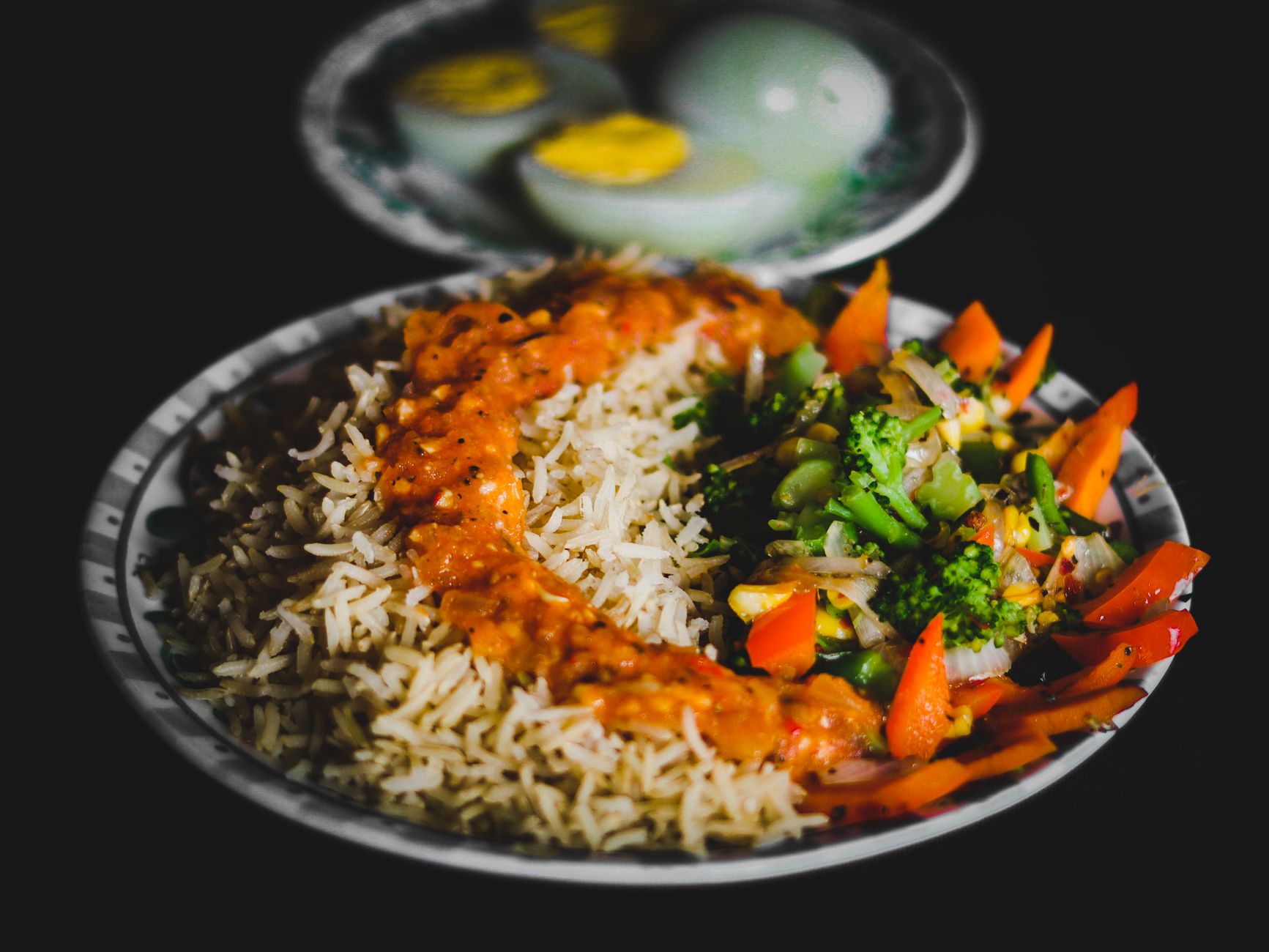
- Proteins first: Moong dal, paneer, eggs, curd, chicken, fish
- Complex carbs second: Brown rice, whole wheat roti, oats
- Vegetables: Fill half your plate every meal
Avoid breaking your fast with chai and biscuits — the insulin spike from refined sugar and milk tea immediately after a fast period is counterproductive. Break your fast with a protein-rich snack instead: boiled eggs, a handful of soaked nuts, or a small bowl of curd.
Step 3: Manage the First Week
The first three to five days are the hardest. Common symptoms include headaches, irritability, and intense hunger between 10 AM and 12 PM. These are normal signs of metabolic adaptation.
Practical tactics for the first week:
- Drink 3–4 litres of water, black coffee, or plain green tea during fasting hours (these do not break a fast)
- Keep your hands busy during the 11 AM hunger peak — schedule calls, meetings, or physical activity then
- If hunger becomes unbearable, shift your eating window one hour earlier rather than quitting
Intermittent Fasting vs Calorie Counting: Quick Comparison
| Feature | Intermittent Fasting | Calorie Counting |
|---|---|---|
| Approach | Time-restricted eating | Quantity-restricted eating |
| Difficulty | Moderate initially | High (tracking required) |
| India compatibility | ✅ High | ⚠️ Medium |
| Cost | ₹0 | ₹0–₹500/month (apps) |
| Flexibility | ✅ Flexible windows | ❌ Every meal tracked |
| Best for | Weight loss, insulin sensitivity | Precise body composition |
| Social eating | ✅ Manageable | ❌ Difficult at weddings, events |
| Long-term sustainability | ⭐⭐⭐⭐ | ⭐⭐⭐ |
Best Intermittent Fasting Schedules for Indians in 2026
1. 12:12 (Beginner) — Eat between 8 AM and 8 PM. The most accessible schedule; suits homemakers, senior citizens, and anyone new to structured eating. Requires almost no lifestyle change for most Indians already eating early dinners.
2. 16:8 (Most Popular) — Eat between 1 PM and 9 PM. The gold standard for fat loss and metabolic health. Works well for office workers who can skip breakfast and eat a proper lunch. Requires adjusting chai habits in the morning.
3. 5:2 (Flexible) — Eat normally five days; restrict to 600 calories on two non-consecutive days. Best for people with unpredictable social schedules — you can plan your low-calorie days around your social calendar.
4. 14:10 (Intermediate) — Eat between 10 AM and 8 PM. A middle ground between 12:12 and 16:8. Good for those who feel lightheaded skipping breakfast entirely but want stronger results than 12:12.
5. OMAD (Advanced) — One large meal per day, typically dinner. Only recommended for experienced practitioners. Not suitable for people with diabetes, low blood pressure, or high physical activity levels. Consult a doctor before attempting.
For most Indian adults starting out, 16:8 with a 1 PM to 9 PM window is the optimal balance of efficacy and real-world practicality.
You can explore more evidence-based health and nutrition strategies at 99infostore’s health and wellness resource hub.
Who Should NOT Do Intermittent Fasting in India
This section is as important as the “how to start” guidance.
Avoid IF entirely if you have:
- Type 1 diabetes or insulin-dependent Type 2 diabetes (hypoglycaemia risk is serious)
- An active thyroid condition (hypothyroidism or hyperthyroidism)
- A history of eating disorders
- Pregnancy or are breastfeeding
- A BMI below 18.5 (underweight)
Proceed only with medical supervision if you have:
- Controlled Type 2 diabetes managed through diet or oral medication
- Hypertension (blood pressure medications may need dose adjustment)
- PCOS — IF can be beneficial for PCOS-related insulin resistance, but requires monitoring
The ICMR’s dietary guidelines for Indians explicitly advise that fasting protocols should account for individual health conditions, physical activity, and micronutrient intake — particularly iron and B12, which are already low in a large percentage of the Indian population.
If you are unsure, get a basic blood test panel (HbA1c, thyroid TSH, CBC) before starting. Platforms like 1mg and Practo offer home collection packages starting at ₹499 for a basic metabolic panel — there is no excuse to skip this step.
For a broader look at managing your health alongside your professional and financial goals, read our guide on building healthy productivity habits for Indian professionals.
How to Track Your Intermittent Fasting Progress in India
Tracking is where most people fall off. Keep it simple with three metrics:
1. Body weight (weekly, not daily): Weigh yourself every Monday morning after using the bathroom. Daily fluctuations of 1–2 kg from water weight are meaningless noise.
2. Waist circumference (bi-weekly): This is more meaningful than weight for Indians, who tend to carry visceral abdominal fat. Measure at the navel level. Target: below 90 cm for men, below 80 cm for women, per WHO guidelines adapted for South Asian populations.
3. Energy and hunger levels (daily, informal): Keep a simple WhatsApp note. Rate your hunger from 1–5 at 11 AM each day. Most people see this number drop from 4–5 to 2–3 within ten to fourteen days — a sign of successful metabolic adaptation.
There is no need to buy expensive smart scales or apps to start. A simple tape measure and a notebook work fine. If you want app-based tracking, Zero and Life Fasting Tracker are both free on Android and iOS with Indian time zone support.
According to research aggregated by NASSCOM’s 2024 Digital Health Report, over 65 million Indians now use health tracking apps — signalling that digital health monitoring is both accessible and culturally normalised in 2026.
For Indian creators and professionals using AI to optimise their productivity alongside their health goals, check out our guide to the best AI tools for Indian freelancers.
Frequently Asked Questions
Q: Can I drink chai during intermittent fasting in India?
A: Plain black chai without milk or sugar is acceptable during fasting hours. Chai made with milk and sugar breaks your fast due to the insulin response. Stick to black coffee, plain green tea, or water during fasting windows.
Q: Is intermittent fasting safe for Indian women with PCOS?
A: IF can improve insulin sensitivity in PCOS, but aggressive fasting (under 14 hours eating window) may disrupt cortisol and hormones. Start with 14:10, not 16:8. Always consult a gynaecologist or endocrinologist before beginning.
Q: How long does it take to see results with intermittent fasting in India?
A: Most people notice reduced bloating and improved energy within 7–10 days. Measurable weight loss (1–2 kg) typically appears in weeks 3–4. Significant metabolic improvements in blood sugar and cholesterol take 8–12 weeks of consistent practice.
Q: Does intermittent fasting work without exercise for Indians?
A: Yes — IF alone produces weight loss and metabolic improvements. Adding 30 minutes of brisk walking or yoga 4 days per week significantly accelerates results, but is not mandatory to start. Begin with IF first, then layer in exercise.
Q: Can Indian vegetarians get enough protein during an IF eating window?
A: Yes. Combine moong dal, paneer (30g per 100g), Greek yoghurt, soy chunks, and seeds across meals. Aim for 0.8–1g of protein per kg of body weight. A 70 kg vegetarian needs roughly 56–70g of protein daily — achievable with planned Indian meals.
Conclusion
Intermittent fasting is one of the most practical, zero-cost health interventions available to Indians in 2026. It requires no special diet, no expensive supplements, and no gym membership. The 16:8 method — eating between 1 PM and 9 PM — fits naturally around Indian office schedules and family dinner timings.
Start with 12:12 for two weeks, then progress to 16:8. Break your fast with protein, not chai and biscuits. Track waist circumference, not just weight. And if you have any chronic health condition, get a blood panel done before Day 1.
The first week will be uncomfortable. The second week will be easier. By week four, most people report that skipping breakfast no longer feels like sacrifice — it feels like discipline.
📥 Want more tools to optimise your income and productivity? Get our Top 50 AI Tools to Make Money (PDF) — packed with actionable tools curated for Indian creators and professionals. Available for just ₹199–₹499.
⚡ Join our VIP Telegram for Daily 70–90% Loot Deals: Don’t miss instant Amazon & Flipkart price drops, verified tech discounts, and lightning sales! 👉 Join @offers99infostore Free on Telegram ↗