
TL;DR: Eating a nutritious Indian breakfast does not require an hour in the kitchen. These 10 recipes take 15 minutes or less, use everyday pantry staples, and deliver real protein, fibre, and energy for India’s busy mornings in 2026.
India runs on breakfast — and yet 42% of urban Indians skip it entirely due to time pressure, according to a 2024 survey by the Indian Council of Medical Research (ICMR). The result? Energy crashes by 11 AM, poor concentration, and over-reliance on processed snacks. The good news: traditional Indian cuisine is packed with fast, nutrient-dense breakfast options that your grandparents made without a second thought. This guide gives you 10 proven recipes, each ready in 15 minutes or less, with practical nutrition notes and no fancy equipment required.
What Is a Healthy Indian Breakfast?
A healthy Indian breakfast is a morning meal built on whole grains, plant-based protein, fermented foods, or fresh vegetables that provides sustained energy without refined sugar spikes.
Looking to buy or compare latest prices online? View verified deals, user reviews, and discounts directly on Amazon India:
It typically includes at least one source of complex carbohydrates (like oats, poha, or whole wheat), one protein source (like dal, eggs, or paneer), and a fat source (like ghee, nuts, or coconut). The best part: Indian food culture already has all of this built in. You do not need protein powders or imported superfoods. A bowl of moong dal chilla or vegetable upma checks every nutritional box that a ₹500 smoothie bowl claims to offer — at a fraction of the cost and in half the time.
The goal is not perfection. It is consistency. Eating something nutritious before 9 AM is one of the highest-leverage health habits you can build in 2026.

Why a Nutritious Morning Meal Matters in India in 2026
India’s urban workforce is facing a quiet health crisis. According to the National Family Health Survey-5 (NFHS-5, 2021), 24% of Indian adults are now classified as overweight or obese — a figure that has risen sharply since 2016. A 2026 NASSCOM report on India’s knowledge workforce noted that poor dietary habits are among the top three self-reported causes of workplace fatigue, alongside sleep deprivation and screen overuse.
Breakfast quality directly impacts cognitive performance. The Indian Dietetic Association recommends that breakfast contribute 20–25% of daily caloric intake, yet most Indians who eat breakfast consume predominantly refined carbohydrates (white bread, maida-based parathas, sweetened chai with biscuits), which spike blood sugar and cause a crash within 90 minutes.
📊 Key stat: ICMR data (2024) shows Indian adults who eat a protein-rich breakfast consume 300–400 fewer calories across the rest of the day compared to those who skip or eat a carbohydrate-only meal.
Choosing the right breakfast is not a lifestyle upgrade — it is preventive healthcare. And in a country where lifestyle diseases like Type 2 diabetes affect over 77 million adults (IDF Diabetes Atlas, 2021), every smart meal decision counts.
10 Healthy Indian Breakfast Ideas Ready in Under 15 Minutes
1. Moong Dal Chilla (Green Gram Pancakes)
Soak split moong dal for 4–6 hours (or overnight), blend into a smooth batter, pour thin rounds onto a hot tawa with onion, green chilli, and coriander. Each chilla delivers roughly 8–10g of protein. Two chillas keep you full until lunch. Total active cook time: 10 minutes.
2. Poha with Peanuts and Vegetables
Rinse flattened rice until soft, temper mustard seeds, curry leaves, onion, and turmeric in oil, add poha with peanuts and a squeeze of lime. Poha is light on the stomach, iron-rich, and takes under 10 minutes. Use thick poha for better texture — widely available at D-Mart and Reliance Smart stores across India.
3. Vegetable Upma
Dry roast semolina (rava), sauté vegetables (carrots, peas, capsicum), combine with boiling water and a tempering of mustard, curry leaves, and ginger. Upma is filling, low in fat when cooked with minimal oil, and costs roughly ₹15–20 per serving at home.
4. Oats Idli (Instant Version)
Mix rolled oats with curd, eno, and finely chopped vegetables like grated carrot and green chilli. Pour into greased idli moulds and steam for 8–10 minutes. No fermentation required. High in beta-glucan fibre, which supports cholesterol management — important for Indian adults given the country’s rising cardiovascular disease burden.
5. Egg Bhurji (Spiced Scrambled Eggs)
Whisk two eggs and scramble them with onion, tomato, green chilli, and coriander. Ready in 7 minutes. Eggs provide all nine essential amino acids and are the fastest complete-protein breakfast available in India for under ₹25. Pair with a whole wheat roti for a balanced macronutrient ratio.
6. Sprout Salad with Chaat Masala
Pre-sprout moong or moth beans over 2 days (actual prep time: 2 minutes daily) and keep them in the fridge. On the morning, toss with chopped tomato, onion, lemon juice, chaat masala, and fresh coriander. Zero cook time. High in plant protein and digestive enzymes, ideal for people managing blood sugar.
7. Besan Cheela (Gram Flour Pancake)
Mix chickpea flour with water, ajwain, grated ginger, and chopped spinach into a pourable batter. Cook like a thin dosa on a non-stick tawa. Besan is exceptionally high in protein and soluble fibre, and a two-cheela serving costs about ₹12 in ingredients. Ready in under 10 minutes.
8. Banana and Peanut Butter Toast on Whole Wheat
Spread natural peanut butter (brands like Alpino or DiSano are widely available on Blinkit and Zepto) on toasted whole wheat bread, top with banana slices and a drizzle of honey. Delivers carbohydrate, healthy fat, and protein in 3 minutes flat. Ideal for mornings when you are genuinely running late.
9. Sabudana Khichdi (for Weekends or Fasting Days)
Soak tapioca pearls overnight, toss in a tempering of ghee, cumin, green chilli, peanuts, and potato. Ready in 8 minutes of active cooking. While slightly higher in simple carbs, the peanut addition brings protein and keeps it satiating. A popular choice in Maharashtra and Gujarat for good reason.
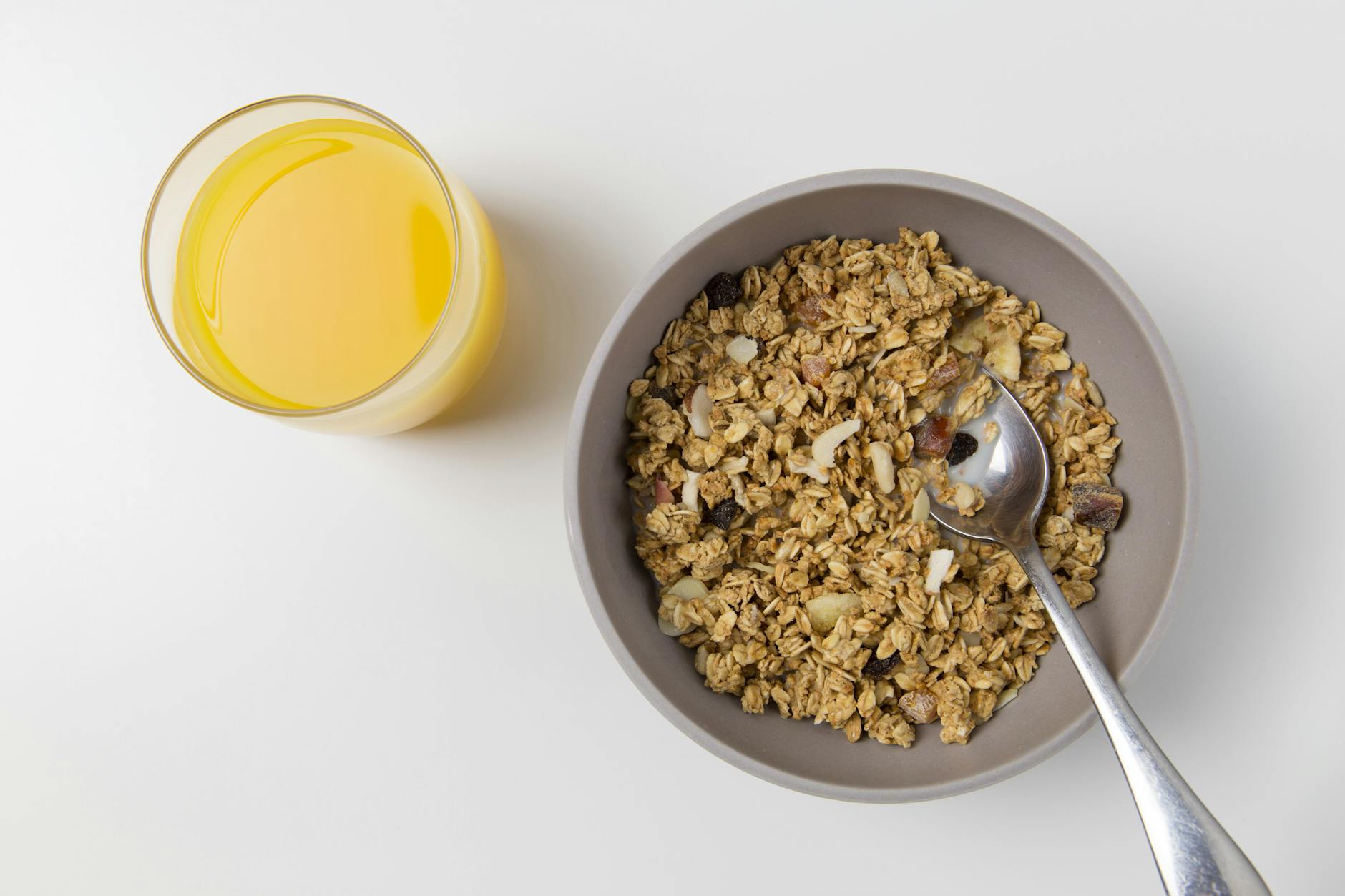
10. Dahi with Muesli and Seasonal Fruit
Layer hung curd or full-fat dahi with unsweetened muesli and cut seasonal fruit — mango, banana, guava, or papaya depending on the month. Zero cooking required. The probiotics in dahi support gut health, which ICMR research links to improved immunity and mental clarity.
Quick Breakfast vs. Processed Alternatives: Honest Comparison
| Feature | Homemade Indian Breakfast | Packaged Breakfast (Cereals/Bars) |
|---|---|---|
| Cost per serving | ₹10–₹30 | ₹40–₹120 |
| Protein (avg) | 8–15g | 3–7g |
| Added sugar | Low / None | High (often 15–25g) |
| Prep time | 5–15 min | 2–5 min |
| Fibre content | High | Low to moderate |
| India-specific ingredients | ✅ | ❌ |
| Gut-friendly | ✅ | Depends on product |
The data is clear: home-cooked Indian breakfast is cheaper, more nutritious, and more gut-friendly than most processed breakfast products sold in Indian supermarkets. The only honest advantage of packaged options is speed — and most of the 10 recipes above close that gap significantly.
How to Build a 15-Minute Breakfast Habit: Step-by-Step
Step 1: Prep Ingredients the Night Before
Soak moong dal, sprout beans, or rinse and dry-store poha in an airtight container. Chop vegetables and store in a small box in the refrigerator. This reduces active morning time by 40–60%. Ten minutes on Sunday evening can prepare base ingredients for three to four weekday breakfasts.
Step 2: Keep a Simple Weekly Rotation
Assign different recipes to different days (e.g., Monday: chilla, Tuesday: poha, Wednesday: egg bhurji). Decision fatigue is one of the top reasons people grab processed options in the morning. A simple printed or phone-note rotation removes that friction entirely.
Step 3: Invest in One Non-Stick Tawa
A ₹350–₹600 non-stick tawa (brands like Prestige or Hawkins are reliable and available at any Indian kitchenware store) cuts cook time for chillas, cheelas, and upma by 30%. It is the single highest-ROI kitchen purchase for faster healthy breakfasts in Indian homes.
Frequently Asked Questions
Q: What is the healthiest quick Indian breakfast for weight loss in 2026?
A: Moong dal chilla or sprout salad are the top choices — high protein, low glycaemic index, and under 250 calories per serving. Both control hunger effectively, helping reduce total daily caloric intake by 300–400 calories according to ICMR data.
Q: Can I eat Indian breakfast if I have Type 2 diabetes?
A: Yes. Choose low-GI options like moong dal chilla, besan cheela, oats idli, or sprout salad. Avoid sabudana and excess rice-based dishes. Pair carbohydrates with protein or fat to slow glucose absorption. Consult your doctor for personalised guidance.
Q: How much does a healthy Indian breakfast cost per day at home?
A: Most of these recipes cost ₹15–₹40 per serving when made at home, using standard Indian pantry ingredients. This is 3–5 times cheaper than café breakfasts and significantly cheaper than health bars or imported cereals sold in urban supermarkets.
Q: Which Indian breakfast has the highest protein content?
A: Egg bhurji (two eggs) provides 12–14g of protein. Moong dal chilla (two pieces) provides 10–12g. Besan cheela and sprout salad each offer 8–10g. Combining any of these with a glass of milk or a small bowl of dahi adds another 6–8g of protein.
Q: Are these Indian breakfast ideas suitable for school-going children in India?
A: Yes. Poha, upma, dahi with muesli, and egg bhurji with roti are all child-friendly, filling, and school-appropriate. Avoid adding excess green chilli for younger children. These meals support concentration and physical energy — critical for the 6–8 AM to 1–3 PM school block.
Conclusion
Eating a healthy breakfast in India in 2026 does not require expensive ingredients, a long recipe list, or 45 minutes in the kitchen. It requires a short evening prep routine and a weekly rotation of the recipes above. Moong dal chilla, besan cheela, poha, and egg bhurji are nutritional powerhouses that cost under ₹40 and take under 15 minutes — consistently outperforming packaged alternatives on every measurable metric.
The next step is simple: pick two recipes from this list, prep the ingredients tonight, and build the habit from tomorrow morning. For more actionable guides on health, productivity, and building better daily systems in India, explore our health and wellness resources on 99infostore.com.
Looking to build income alongside better health habits? Check our guide on top AI tools for Indian freelancers and creators — a rising number of Indians are combining smart lifestyle habits with smart money habits in 2026.
📥 Want to earn while you learn? Get our Top 50 AI Tools to Make Money (PDF) — just ₹199 to ₹499. Curated for Indian creators and professionals ready to build income in the AI era.
⚡ Join our VIP Telegram for Daily 70–90% Loot Deals: Don’t miss instant Amazon & Flipkart price drops, verified tech discounts, and lightning sales! 👉 Join @offers99infostore Free on Telegram ↗




![Best Diwali Gift Ideas Under ₹1000 in India (2026): Useful Tech & Festive Hampers [Top 10 Picks] - 99InfoStore Festive Tech Gift Guide](https://99infostore.com/wp-content/uploads/2026/10/best-diwali-gifts-under-1000-india-2026-260x140.jpg)
![Dhanteras 2026 Silver Buying: Hallmarking Rules, Rates & Pure Coins Guide [With Calculator] - 99InfoStore Festive Finance Guide](https://99infostore.com/wp-content/uploads/2026/10/dhanteras-2026-silver-buying-guide-260x140.jpg)