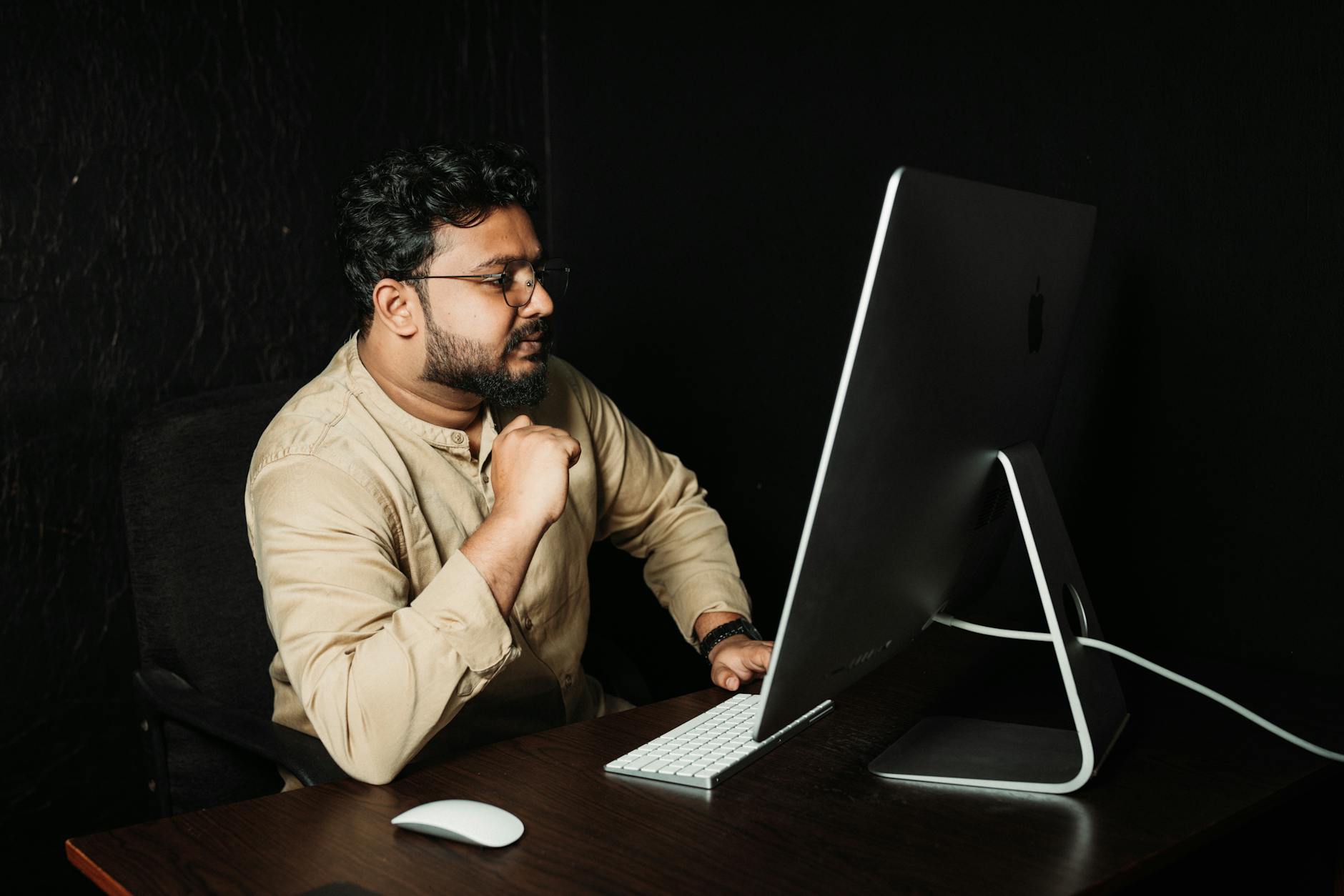

TL;DR: Excessive screen time disrupts melatonin production and wrecks your sleep quality. To fix it, set hard screen limits before bed, use blue light filters, and follow a consistent wind-down routine. Most Indians can see measurable sleep improvement within 7–14 days of disciplined digital detox habits.
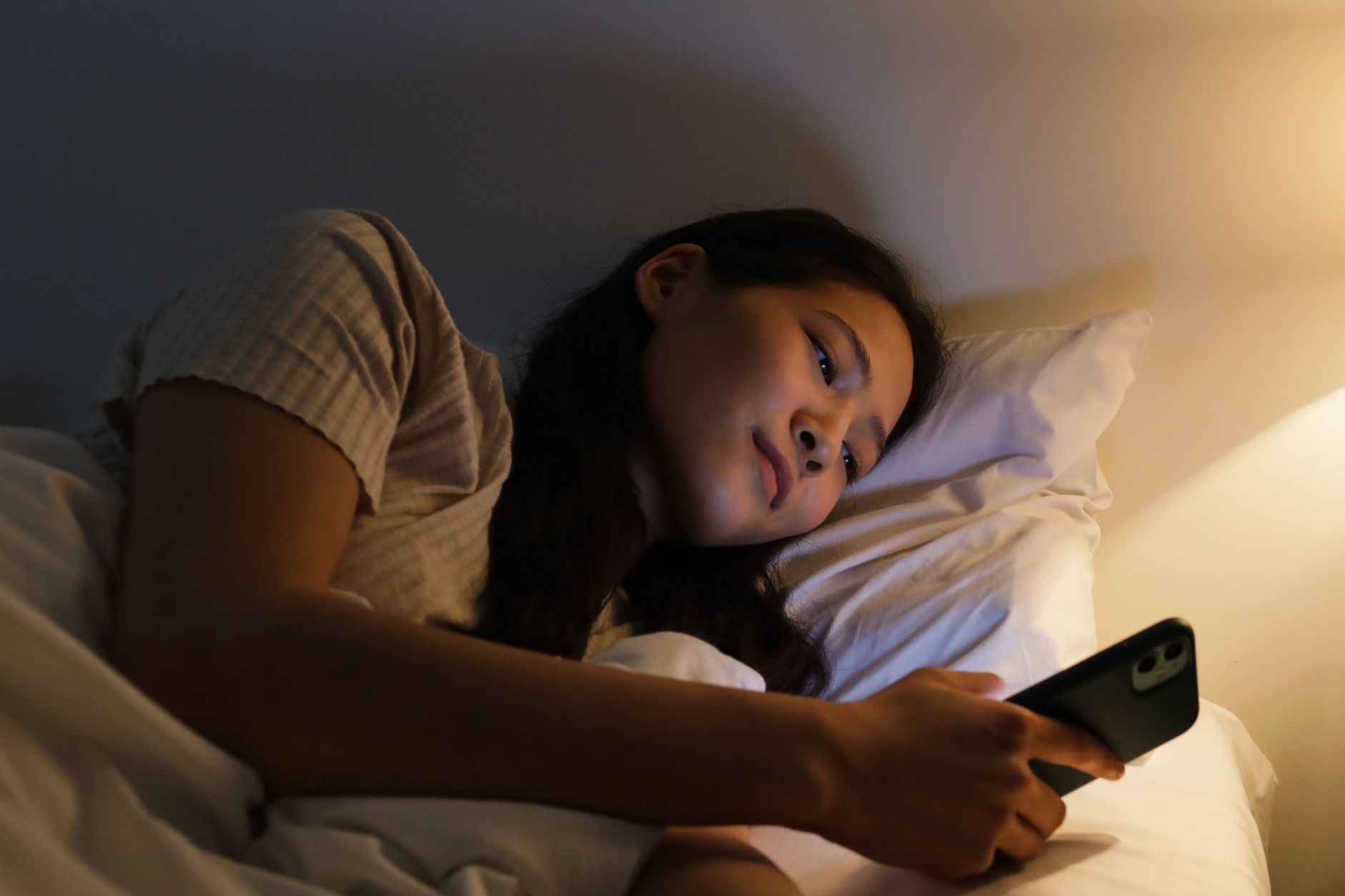
India has a screen addiction problem — and most people don’t realise it until they’re lying awake at midnight, eyes burning, brain wired, scrolling through nothing useful. The average Indian now spends over 7.3 hours daily on screens, according to a 2026 DataReportal report, and sleep disorders have climbed 42% in urban India since 2022. If you’re struggling to fall asleep, stay asleep, or feel rested in the morning, your phone is almost certainly part of the problem. This guide gives you an exact, practical system to reduce screen time and sleep better — starting tonight.
What Is Screen Time, and Why Does It Disrupt Sleep?
Screen time is any period spent looking at a digital display — smartphones, laptops, tablets, or televisions — with the associated light exposure, cognitive stimulation, and dopamine-driven engagement that comes with it.
The core biological issue is blue light. Screens emit high-intensity blue light wavelengths (around 480nm) that directly suppress melatonin, the hormone your brain releases to signal sleep onset. When you scroll Instagram at 10 PM, your brain reads the blue light as daylight and delays melatonin release by up to 90 minutes, according to research published in the Journal of Clinical Endocrinology & Metabolism. That 90-minute delay doesn’t just push your sleep later — it reduces your total REM sleep, impairs memory consolidation, and makes you groggy the next morning even after 8 hours in bed.
Beyond blue light, the content itself matters. Social media, news feeds, and YouTube autoplay are deliberately engineered to trigger cortisol spikes and emotional responses that keep your nervous system in fight-or-flight mode — the exact opposite of the calm state needed for quality sleep.
Why Screen Time and Sleep Are a Crisis in India in 2026
India’s digital penetration is now at 900+ million internet users, per the Telecom Regulatory Authority of India (TRAI) 2026 data. That scale, combined with affordable data and increasingly addictive apps, has created a public health problem hiding in plain sight.
📊 Key stat: A 2026 Indian Sleep Disorders Association (ISDA) survey found that 68% of urban Indians between 18–45 report difficulty falling asleep, with 71% attributing it directly to late-night phone use.
The economic cost is real too. Poor sleep reduces workplace productivity by an estimated ₹62,000 crore annually in India, according to IBEF research on workforce health. For individuals, chronic sleep deprivation raises the risk of Type 2 diabetes, hypertension, and depression — conditions already at epidemic levels in Indian metros.
Work-from-home culture, which became permanent for millions after 2022, blurred the boundary between work screens and leisure screens further. Many Indian professionals now spend 10+ hours daily looking at a screen, with zero intentional breaks or boundaries between work time and rest time. The first step to fixing your sleep is treating screen exposure as a resource to be managed — not an infinite background habit.
For more on building healthy digital habits alongside your work tools, explore our guide on best AI tools for Indian freelancers.
How to Reduce Screen Time: A Step-by-Step System
Step 1: Audit Your Current Screen Time Honestly
Before you can fix the problem, you need a baseline. On Android, go to Digital Wellbeing (Settings → Digital Wellbeing & Parental Controls). On iPhone, check Screen Time under Settings. Look at your daily average for the past 7 days — not just total hours, but which apps are consuming the most time.
Most people are genuinely shocked. If Instagram is eating 2.5 hours a day, that’s 17.5 hours per week — more than two full working days. Write the numbers down. Awareness alone typically reduces consumption by 10–15% within the first week, without any other intervention.
Step 2: Set Hard Cut-Off Times for Screens
The single most impactful change you can make for sleep is a strict screen curfew — 60 to 90 minutes before your target bedtime. If you want to be asleep by 10:30 PM, all screens should be off by 9:00 PM.
Use your phone’s built-in tools to enforce this automatically:
- Android: Digital Wellbeing → Bedtime mode → Schedule it daily
- iPhone: Screen Time → Downtime → Set your hours
- App-level limits: Set individual app timers for Instagram, YouTube, and WhatsApp — when the timer runs out, the app locks.
Make this non-negotiable for at least 21 days. The urge to override it will be strong for the first week. Don’t.
Step 3: Redesign Your Evening Routine Without Screens
The 60–90 minutes you’ve just freed up need to be filled intentionally — or you’ll default back to the screen out of habit. Build a wind-down stack:
- Minutes 0–20: Light physical activity (stretching, yoga, a slow walk)
- Minutes 20–40: Non-digital reading (physical book or Kindle set to warm light, airplane mode)
- Minutes 40–60: Journaling, conversation, or a calming podcast on a speaker (audio only, phone face-down)
The goal is to signal to your nervous system that the day is winding down. Consistent repetition of this routine conditions your brain to associate these activities with sleep onset — similar to Pavlovian conditioning, but for relaxation.
Screen Time Reduction Tools vs. Willpower: Quick Comparison
| Feature | App-Based Tools | Pure Willpower |
|---|---|---|
| Cost | ₹0 – ₹500/month | ₹0 |
| Consistency | High (automated) | Low (habit-dependent) |
| Works for beginners | ✅ | ❌ |
| Customisable limits | ✅ | ❌ |
| Handles app addiction | ✅ (app locks) | ❌ |
| India app availability | ✅ | N/A |
| Long-term effectiveness | ⭐⭐⭐⭐ | ⭐⭐ |
The data is clear: using structural tools dramatically outperforms willpower-only approaches. Willpower is a finite resource that depletes throughout the day — which is exactly why your screen habits are worst at night when your self-regulation is lowest. Build systems, not just intentions.
Best Screen Time Management Tools Available in India in 2026
Here are five tools that work specifically well for Indian users, with realistic assessments of what each does:
1. Digital Wellbeing (Android) / Screen Time (iOS) — Both are free and built into your phone. They offer app timers, bedtime modes, and weekly usage reports. Sufficient for most users who need basic structure without spending anything.
2. Freedom (freedomapp.com) — Blocks distracting websites and apps across all your devices simultaneously. Paid plans start at approximately ₹830/month. Excellent for remote workers who need to block sites during work hours AND during sleep wind-down.
3. One Sec — Forces a 10-second pause and a breath before opening addictive apps. Available on iOS and Android. The friction alone reduces impulsive app-opening by up to 57%, per the app’s published user data. Free tier available; premium at roughly ₹400/month.
4. Oura Ring (with Indian delivery available) — A wearable health tracker that gives you precise sleep stage data, HRV (heart rate variability), and readiness scores. Priced at approximately ₹25,000–₹30,000. Worth it if you’re serious about quantifying your sleep improvement over weeks.
5. Forest App — Gamifies focus sessions. You plant a virtual tree that grows while you stay off your phone. Popular with Indian students. Free tier available; Pro at ₹130 one-time purchase. Simple, effective, and low-cost.
For Indian users on a budget, start with Digital Wellbeing + Forest App — that combination costs ₹130 total and covers the basics of screen tracking and habit reinforcement.
How Better Sleep Habits Can Improve Your Productivity and Earnings
This is where the personal health story connects to your financial life. Sleep deprivation reduces cognitive performance by the equivalent of being legally drunk — your decision-making, creativity, and focus are all impaired. If you’re an Indian freelancer, content creator, or entrepreneur trying to build income online, poor sleep is silently costing you output quality and billable hours.
Better sleep → sharper thinking → faster, higher-quality work → higher earnings per hour. The ROI on a good sleep routine is genuinely one of the highest available.
If you’re also trying to build digital income streams alongside improving your health habits, the right tools matter.
💡 Pro tip: Many productive Indian creators we track use structured morning and evening routines anchored to their AI productivity stack. If you’re building digital income and want to know which AI tools are worth your time, our best AI tools resource covers tools ranked for Indian users specifically.
For a broader strategy on building sustainable work habits, see our guide on how to start investing in mutual funds — because financial health and physical health compound together.
Frequently Asked Questions
Q: How many hours of screen time per day is considered healthy for Indian adults in 2026?
A: Most health experts recommend under 7 hours of total daily screen time for adults, with zero screen exposure in the 60–90 minutes before sleep. The WHO suggests recreational screen time should stay under 2 hours daily, separate from work-related use.
Q: Does Night Mode or blue light filter actually help you sleep better?
A: Night Mode reduces blue light by roughly 30–40%, which helps but doesn’t eliminate the problem. Content-related stimulation — social media, news, videos — still disrupts sleep even with warm colour settings. A full screen curfew is far more effective than filters alone.
Q: How long does it take to see sleep improvement after reducing screen time?
A: Most people notice improved sleep onset (falling asleep faster) within 5–7 days of consistent screen curfew habits. Deeper, more restorative REM sleep improvements are typically measurable within 14–21 days of maintaining the routine.
Q: Can I use my phone as an alarm clock without disrupting sleep habits?
A: No — keeping your phone on your bedside table creates temptation and exposes you to light and notifications. Buy a dedicated alarm clock (available from ₹300 on Amazon India) and charge your phone in another room overnight.
Q: Are Indian kids more at risk from excessive screen time than adults?
A: Yes. The Indian Academy of Paediatrics recommends zero recreational screen time for children under 2, under 1 hour daily for ages 2–5, and under 2 hours for ages 5–18. Children’s developing nervous systems are significantly more sensitive to blue light’s melatonin-suppressing effects than adults.
Conclusion
Reducing screen time and sleeping better in 2026 isn’t about eliminating technology from your life — it’s about designing deliberate boundaries so technology stops running your life. The formula is straightforward: audit your current usage, enforce a screen curfew 60–90 minutes before bed, use structural tools instead of relying on willpower, and build a consistent wind-down routine that replaces screen habits with sleep-promoting ones.
Give it 21 days of genuine commitment. You’ll sleep faster, think more clearly, feel less anxious, and do better work. That compounding effect on your productivity and health is worth far more than whatever you were watching at 11 PM.
If you’re serious about optimising your productivity alongside your health, knowing which AI tools can help you work smarter is the next step.
📥 Want to build real digital income? Get our Top 50 AI Tools to Make Money (PDF) — ₹199 to ₹499. Curated for Indian creators and freelancers who want to use AI to earn more in less time.








1 comment
📥 Get our “Top 50 AI Tools to Make Money (PDF)” — ₹199 – ₹499 at https://99infostore.com/product/top-50-ai-tools-pdf