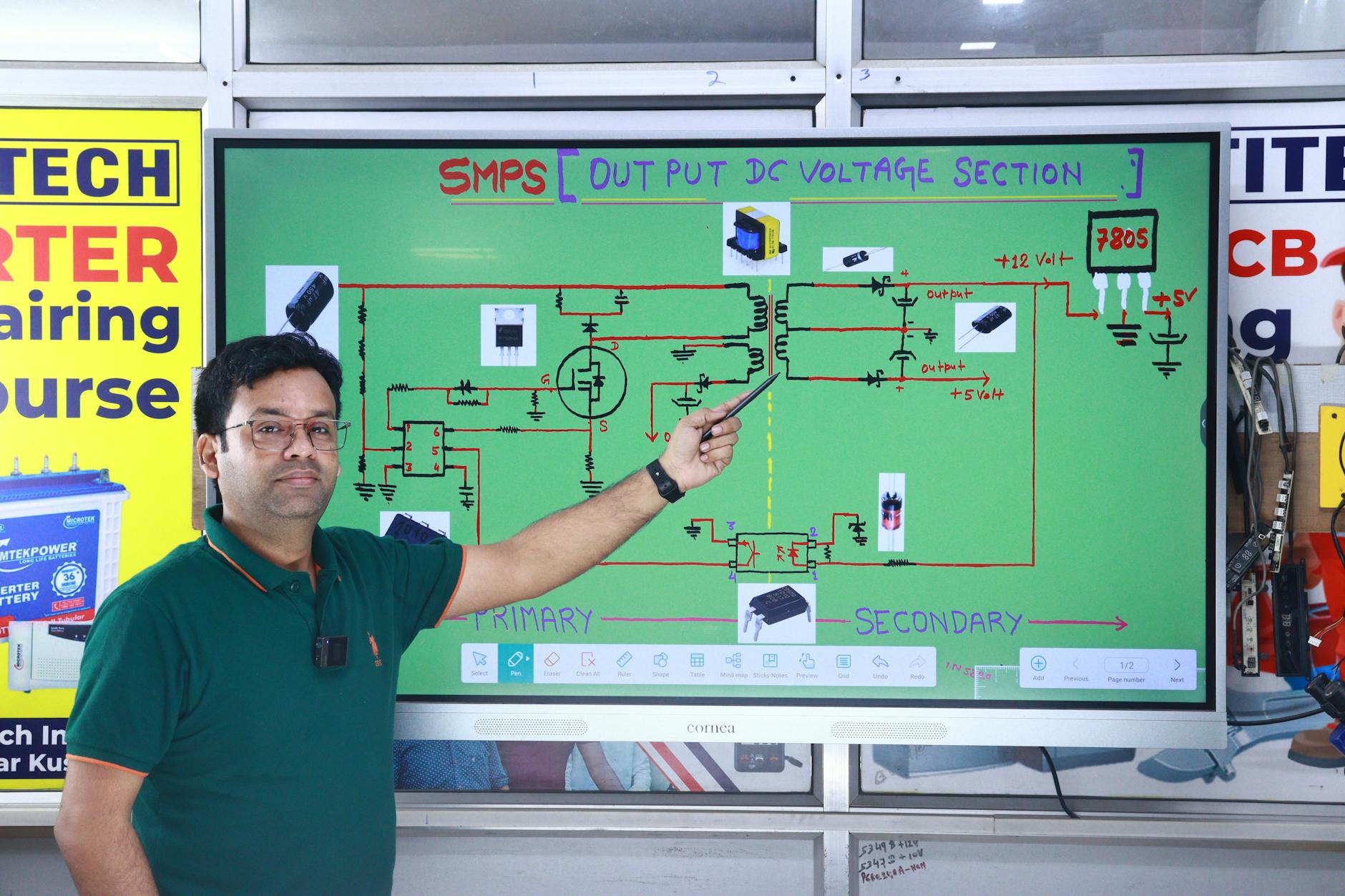

TL;DR: NEP 2020 (National Education Policy) replaces India’s 34-year-old education framework with a flexible, skill-based system. It introduces the 5+3+3+4 school structure, makes coding mandatory from Class 6, and allows multi-disciplinary degrees. For students in 2026, it means more choices, more practical learning — and a fundamentally different path to college.
India’s education system just got its biggest overhaul since 1986. The National Education Policy 2020 isn’t a minor curriculum update — it’s a structural redesign of how 250 million+ students learn, from nursery to postgraduate level.
If you’re a student, parent, or educator trying to make sense of what NEP 2020 actually changes — and what it means right now in 2026 — this guide breaks it down section by section, without jargon.
What Is NEP 2020?
NEP 2020 is India’s National Education Policy, approved by the Union Cabinet on July 29, 2020, replacing the previous policy from 1986.
Looking to buy or compare latest prices online? View verified deals, user reviews, and discounts directly on Amazon India:
It is the government’s comprehensive blueprint for transforming school and higher education across India — covering curriculum structure, language of instruction, teacher training, assessment methods, and the role of technology in classrooms. The policy is jointly overseen by the Ministry of Education (formerly HRD) and implemented in phases by state governments, with full rollout targeted by 2030.
NEP 2020 shifts India’s education model from rote memorisation and rigid stream-based learning toward a competency-based, flexible, multi-disciplinary approach. It is designed to bring Indian education closer to global standards while preserving local language and culture.
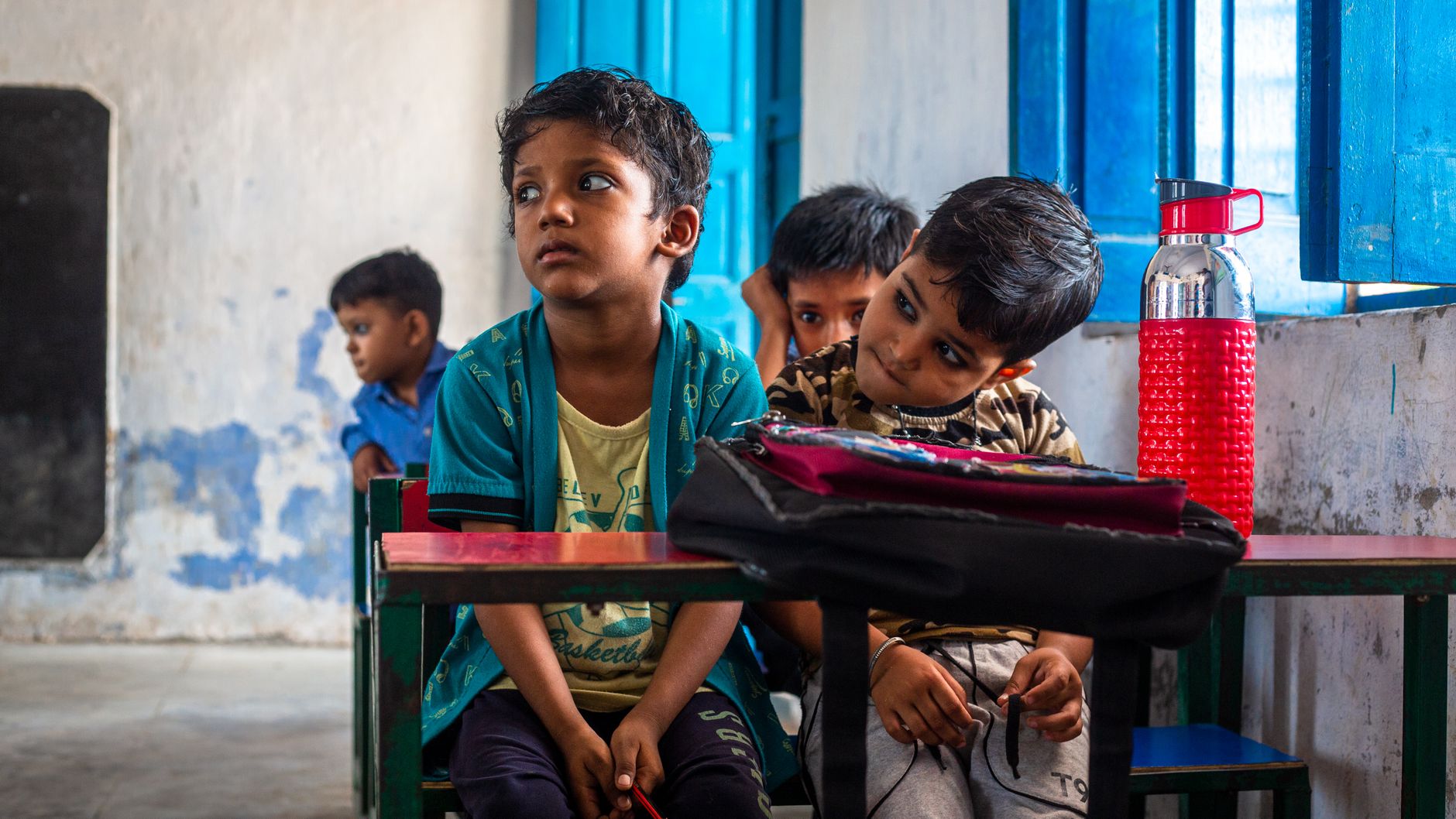
Why NEP 2020 Matters for Indian Students in 2026
Six years after approval, NEP 2020 is no longer just policy — it’s active reality for millions of students. According to the Ministry of Education’s 2025 Annual Report, over 15,000 higher education institutions have begun aligning their curriculum with NEP guidelines. The University Grants Commission (UGC) has already released its revised Academic Bank of Credits (ABC) framework, which over 4.2 million students had enrolled in by mid-2025.
📊 Key stat: India has the world’s largest higher education system with 43 million enrolled students as of 2024, per UGC data — NEP 2020 directly affects every single one of them.
The urgency is real. Students appearing for Class 10 and 12 board exams in 2026 are among the first full cohorts to experience NEP-aligned assessments. Meanwhile, college students entering in 2026 face new credit frameworks, exit options, and internship mandates they didn’t have even two years ago.
For students interested in technology and AI — two areas NEP 2020 explicitly prioritises — the policy opens doors to structured digital literacy programs that simply didn’t exist before. You can explore best AI tools for Indian students and freelancers to pair your academic learning with market-relevant skills.
How NEP 2020 Works: The New Structure Explained
Step 1: Understand the 5+3+3+4 School Structure
The old 10+2 system is replaced by a 5+3+3+4 structure that aligns with child development stages.
- Foundational Stage (5 years): Ages 3–8. Includes 3 years of pre-primary (Anganwadi/preschool) + Class 1 and 2. Focus on play-based learning.
- Preparatory Stage (3 years): Classes 3–5. Ages 8–11. Introduces science, maths, arts with activity-based teaching.
- Middle Stage (3 years): Classes 6–8. Ages 11–14. Coding, vocational skills, and subject specialisation begin here.
- Secondary Stage (4 years): Classes 9–12. Students choose subjects across streams — no rigid Science/Commerce/Arts division.
Step 2: Know the Higher Education Changes
Under NEP 2020, a standard undergraduate degree is now 3 or 4 years with multiple exit points.
- 1 year completed: Certificate awarded.
- 2 years completed: Diploma awarded.
- 3 years completed: Bachelor’s degree awarded.
- 4 years completed: Bachelor’s with Research awarded (required for direct PhD admission).
The Academic Bank of Credits (ABC) stores your earned credits digitally, so you can pause, resume, or switch institutions without losing progress — a major shift for students who need to work while studying.
Step 3: Navigate the Assessment and Exam Changes
Boards exams are being restructured to test competency, not memorisation. By 2026, CBSE has introduced two-term board assessments and semester-like patterns in many affiliated schools.
Class 10 board exams are no longer compulsory in the traditional sense — students can choose to appear at any time during Classes 9–11, reducing the high-stakes pressure of a single exam defining their future. Report cards now include holistic progress reports (360° assessment) covering academics, sports, arts, and values.

NEP 2020 vs Old Education Policy: Quick Comparison
| Feature | NEP 2020 | Old Policy (1986) |
|---|---|---|
| School Structure | 5+3+3+4 | 10+2 |
| Stream Selection | Flexible (mix subjects) | Rigid (Science/Arts/Commerce) |
| Undergraduate Duration | 3–4 years, multiple exits | 3 years, fixed |
| Board Exam Pressure | Reduced (two attempts) | Single high-stakes exam |
| Coding/Vocational | From Class 6 (mandatory) | Optional/Limited |
| Mother Tongue Instruction | Until Class 5 (minimum) | No mandate |
| Teacher Education | 4-year B.Ed. by 2030 | 2-year B.Ed. |
| Credit Transfer | ABC digital system | Not available |
| India Support | ✅ National rollout | Legacy (phased out) |
| Focus | Competency-based | Rote/exam-based |
Key NEP 2020 Changes: What Students See in 2026
The following are the five changes students and parents are navigating right now.
1. No Fixed Science/Arts/Commerce Streams
Students in Classes 11 and 12 can now combine Physics with History, or Economics with Biology. Schools are still adjusting timetables and teacher availability, so check your specific school’s subject matrix — not all schools have fully implemented this yet.
2. Coding from Class 6
Computational thinking and coding are now part of the middle school curriculum. This directly supports careers in AI, data science, and software development. If your school hasn’t implemented a structured coding curriculum yet, platforms like CBSE’s official resources and DIKSHA fill the gap.
3. Mother Tongue as Medium of Instruction Until Class 5
NEP mandates that children be taught in their home language or regional language at least through the Foundational Stage. This is proven to improve comprehension — research from UNICEF India supports that children learn abstract concepts faster in their first language.
4. 10-Day Bagless Period and Internship Requirement
School students must complete a 10-day vocational internship (with a local carpenter, chef, artist, or technician) by Class 8. This is mandatory, not optional — and it’s specifically designed to remove the stigma around vocational careers.
5. Entrance Exam Overhaul via CUET
The Common University Entrance Test (CUET) now replaces individual university cut-offs for central universities. In 2026, CUET UG and CUET PG are the primary gateway to 255+ universities, reducing the chaos of multiple entrance exams. Per NTA data, over 1.3 million students registered for CUET in 2024 alone.
How NEP 2020 Connects to AI and Future Careers
NEP 2020 explicitly names Artificial Intelligence, Data Science, and Coding as priority skill areas. The policy recommends integrating AI literacy into secondary school curricula, and UGC has approved over 70 new AI-related undergraduate programs since 2022.
For students graduating in 2026 and beyond, this creates a rare opportunity: your formal education now partially aligns with the skills employers are actually paying for. According to NASSCOM’s India Tech Talent Report 2025, demand for AI/ML roles in India grew 47% year-on-year, with entry-level salaries starting at ₹6–9 LPA for skilled graduates.
💡 Pro tip: NEP may introduce AI in school, but staying ahead means going deeper. Our Top 50 AI Tools to Make Money (PDF) (₹199–₹499) covers tools Indian students and freshers are using right now to generate freelance income alongside their studies — from content creation to data work.
You can also check how to start your career in AI and tech in India for a structured path from student to professional.
Frequently Asked Questions
Q: What is the main difference between NEP 2020 and the old education policy in India?
A: NEP 2020 replaces the 10+2 school structure with a 5+3+3+4 model, introduces flexible subject combinations, makes coding mandatory from Class 6, and allows multiple university exit points with certificates/diplomas. The 1986 policy had rigid streams and single-exit degree structures.
Q: Is NEP 2020 mandatory for all schools in India including private and CBSE schools?
A: NEP 2020 is a national policy framework. CBSE and central universities follow it directly. State boards and private schools must align progressively — full implementation is targeted by 2030. In 2026, most CBSE-affiliated schools are implementing NEP guidelines at varying stages.
Q: How does NEP 2020 affect Class 10 and Class 12 board exams in 2026?
A: Board exams are shifting to competency-based assessment over two attempts per year. Class 10 boards are being restructured to reduce single-exam pressure. Class 12 students still appear for boards but under a revised syllabus emphasising conceptual understanding over memorisation.
Q: What is the Academic Bank of Credits (ABC) under NEP 2020?
A: The ABC is a national digital credit repository where students store credits earned across institutions. It allows students to take breaks, transfer institutions, or return to education later without losing credits. Over 4.2 million students had enrolled in ABC by mid-2025, per UGC data.
Q: Will NEP 2020 make it easier for Indian students to study abroad?
A: Yes. The 4-year undergraduate degree with research aligns with global standards (US, UK, Australia), making Indian degrees more transferable. NEP also allows foreign universities to open campuses in India — several, including University of Southampton, have received approvals as of 2025.
Conclusion
NEP 2020 is the most significant structural change Indian education has seen in four decades. In 2026, its effects are visible and real: new school stages, flexible degree paths, digital credit banking, mandatory coding, and a shift away from high-stakes single exams.
For students, the opportunity is enormous — but so is the need to stay informed, because implementation varies by school, state, and institution. Know your school’s NEP rollout status, understand your CUET options, and use the Academic Bank of Credits if you’re in higher education.
The policy also explicitly pushes AI and digital literacy — which means your education now has a formal pathway toward the skills that actually matter in the job market. Use that opening.
📥 Want to go further? Get our Top 50 AI Tools to Make Money (PDF) — ₹199 to ₹499. Curated specifically for Indian students and professionals ready to build income alongside their NEP-era education.
Also explore our full guide on education and career resources on 99infostore.com for more actionable content.
⚡ Join our VIP Telegram for Daily 70–90% Loot Deals: Don’t miss instant Amazon & Flipkart price drops, verified tech discounts, and lightning sales! 👉 Join @offers99infostore Free on Telegram ↗








1 comment
📥 Get our “Top 50 AI Tools to Make Money (PDF)” — ₹199 – ₹499 at https://99infostore.com/product/top-50-ai-tools-pdf