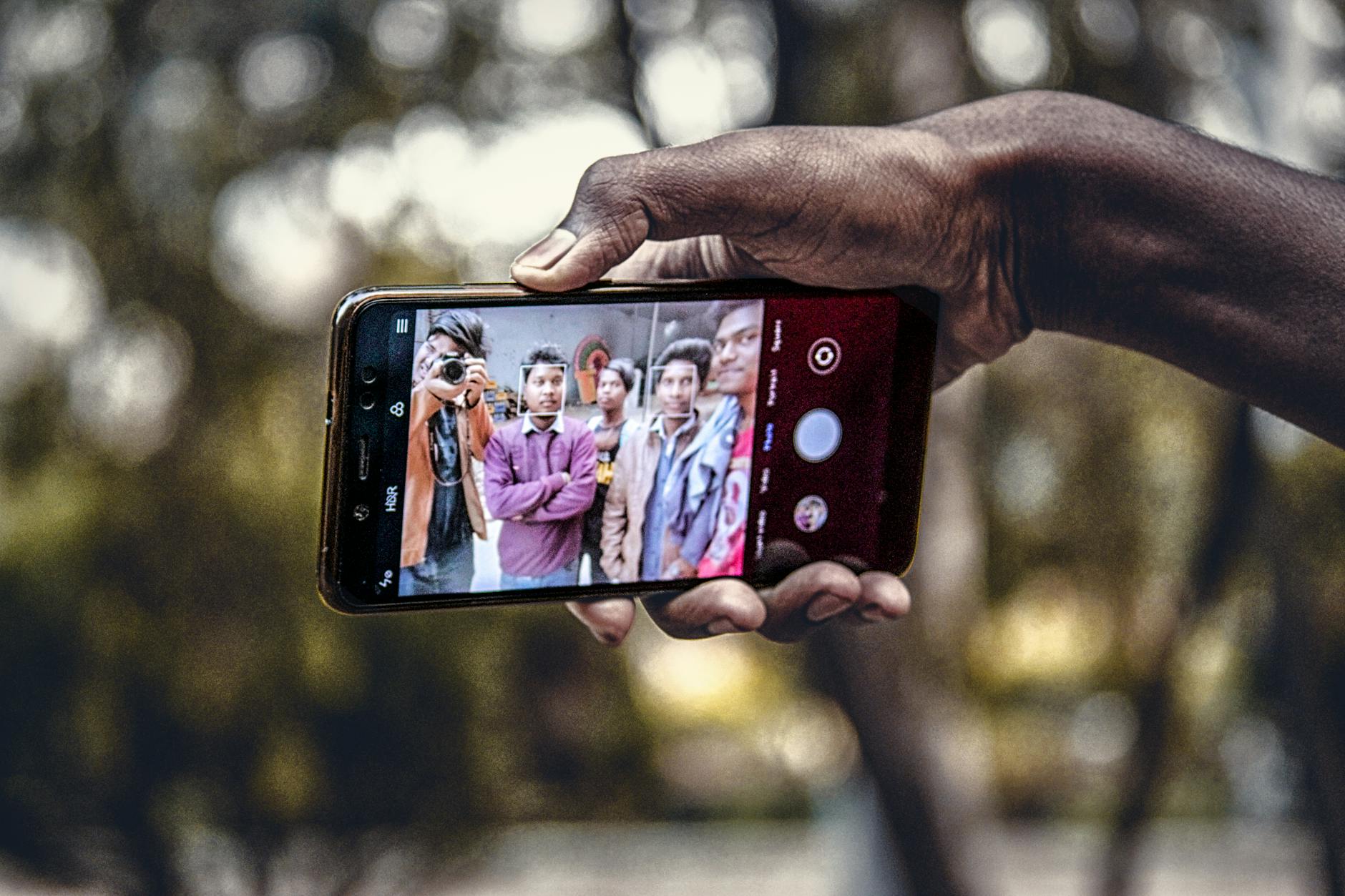

TL;DR: A digital detox means intentionally disconnecting from screens and devices for a set period to reduce stress, improve focus, and rebuild real-world connections. Indians now spend an average of 7.3 hours per day on screens — starting a detox is simpler than you think, and this guide shows you exactly how.
India is in the middle of a screen addiction crisis. With 950 million internet users and smartphone usage hitting all-time highs in 2026, the average Indian professional is context-switching between WhatsApp, Instagram, email, and news apps hundreds of times a day. The result? Burnout, broken sleep, and a constant sense of being “busy but unproductive.”
A digital detox is not about smashing your phone or living off the grid. It is a structured, deliberate break from digital devices — and it works. This guide gives you a practical, India-specific plan to start your detox this week, whether you are a student in Pune, a software engineer in Bengaluru, or a homemaker in Jaipur.
What Is Digital Detox?
A digital detox is a defined period — from a few hours to several weeks — during which a person voluntarily reduces or eliminates use of digital devices such as smartphones, laptops, social media platforms, and streaming services.
The goal is not permanent abstinence. It is conscious consumption. Think of it like a financial budget for your attention: you decide in advance where your mental bandwidth goes, rather than letting apps dictate your focus. The World Health Organization recognised problematic social media use as a public health concern in 2024, which has accelerated mainstream interest in structured detox practices globally — and India is catching up fast.
Psychologists distinguish between three types of digital detox: total detox (full shutdown of all devices), selective detox (eliminating specific apps like Instagram or gaming platforms), and scheduled detox (designated offline hours daily). For most Indians, the selective or scheduled approach is the most sustainable starting point.

Why Digital Detox Matters in India in 2026
India now has the second-highest screen time per capita in Asia, with users averaging 7.3 hours of daily screen use, according to DataReportal’s 2026 Digital India Report. Social media alone accounts for 2.8 hours of that — the highest figure since tracking began.
📊 Key stat: A 2026 NIMHANS (National Institute of Mental Health and Neurosciences) survey found that 63% of urban Indian adults between 18–35 reported sleep disruption directly linked to late-night smartphone use.
The economic cost is equally striking. NASSCOM’s 2026 productivity report estimates that digital distraction costs Indian enterprises approximately ₹1.4 lakh crore annually in lost output — roughly equivalent to the GDP of a mid-sized state. For individual freelancers and remote workers, this translates to two to three wasted hours every single workday.
Beyond productivity, the mental health angle is urgent. Anxiety and depression rates among Indian youth aged 15–24 have risen 41% since 2020, per the Indian Council of Medical Research (ICMR), with excessive screen exposure consistently flagged as a contributing factor. A digital detox does not cure mental illness — but reducing compulsive device checking is a documented, evidence-backed first step toward better cognitive health.
For anyone serious about improving focus, the best AI tools for Indian freelancers can actually help you automate low-value digital tasks so your screen time becomes intentional and profitable rather than reactive and draining.
How Digital Detox Works: Step-by-Step
Starting a digital detox does not require a Himalayan retreat or a ₹10,000 wellness package. Here is a grounded, practical sequence that works for urban Indians in 2026.
Step 1: Audit Your Screen Time Honestly
Before cutting anything, open your phone’s built-in screen time tracker (Digital Wellbeing on Android, Screen Time on iPhone) and look at your numbers without judgment. Most Indians are genuinely shocked — daily totals of 8–10 hours are common among 25–35-year-olds.
Write down the top three apps consuming your time. These are your primary targets. If WhatsApp Family Group is the culprit, that is a detox starting point. If it is YouTube Shorts at 11 PM, that is a different problem with a specific solution.
Step 2: Set Non-Negotiable Offline Windows
Choose two daily windows where devices go on silent and face-down — or into a drawer. Most experts recommend the first 30 minutes after waking and the 60 minutes before sleep. These are neurologically the most sensitive periods, where screen use most aggressively disrupts cortisol and melatonin rhythms.
Use these offline windows for reading physical books, light stretching, journaling, or simply doing nothing. If you find your mind racing during these moments, a structured mindfulness app used intentionally at other times of day can help build the mental muscle for stillness. Headspace offers a specific “wind-down” programme that Indian users have found effective for building pre-sleep offline routines — it takes under 10 minutes and is available in English with India-relevant sleep content.
Step 3: Redesign Your Environment
Willpower alone fails. Environmental design does not. Move social media apps off your home screen and into a folder on the third swipe. Delete push notifications for every non-essential app — WhatsApp family groups, promotional emails, and news alerts are the first to go.
Invest in a physical alarm clock (available on Amazon India for ₹299–₹799) so your phone no longer needs to enter your bedroom at all. This single change is consistently reported as the highest-impact digital detox action among Indian users who have completed structured programmes.
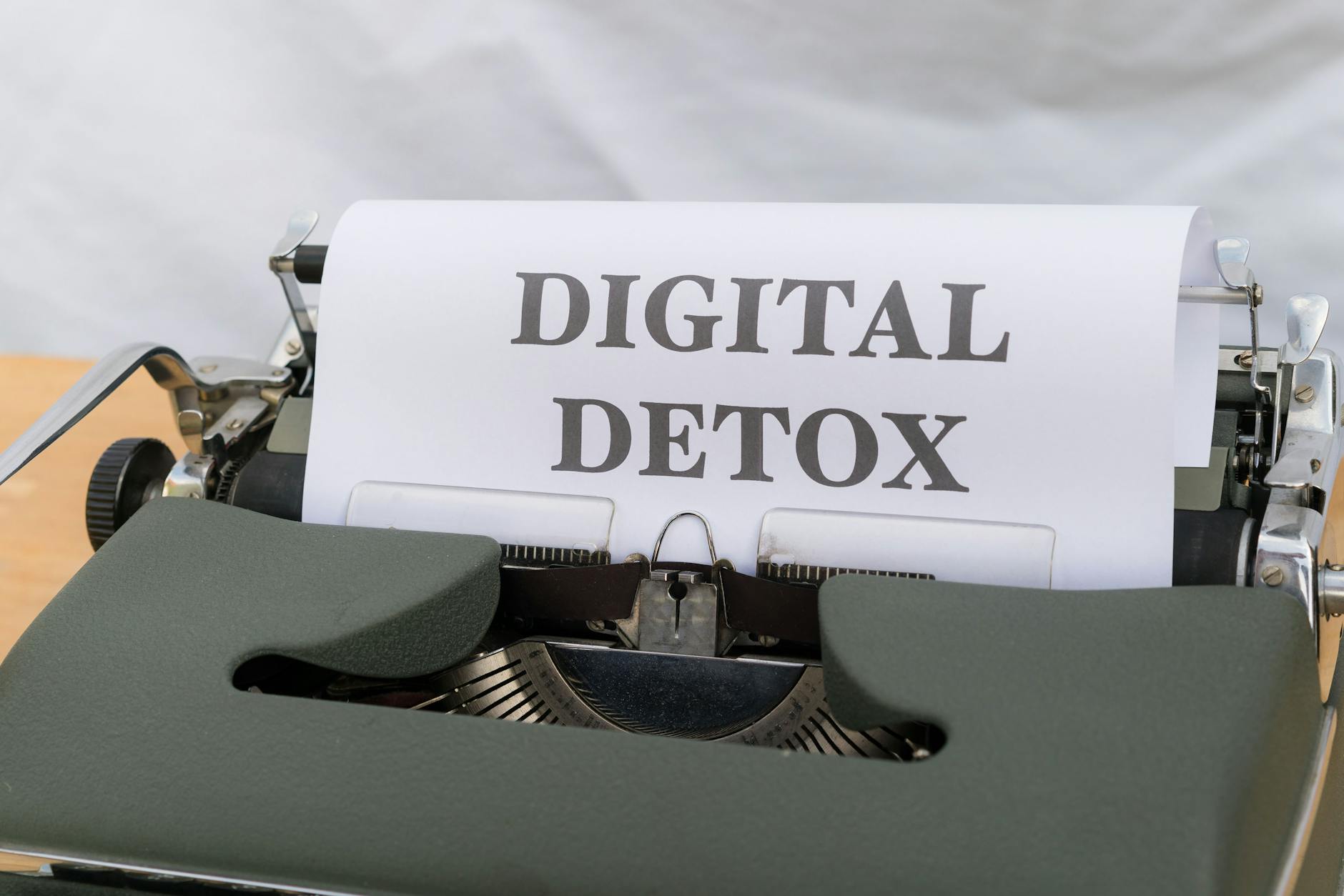
Step 4: Plan Your Offline Activities in Advance
A detox fails when there is nothing to do offline. Before your first weekend detox, write a short list: a walk in a local park, a phone call (not WhatsApp) with a friend, cooking a new recipe, or visiting a nearby dargah, temple, or heritage site. India’s cultural richness makes offline exploration genuinely easy — most Indian cities have libraries, sabzimandis, and cultural spaces within 2 km.
If you are planning a longer getaway as part of your detox, MakeMyTrip has a dedicated “Wellness & Nature” filter that surfaces offline-friendly destinations — hill stations, forest retreats, and yoga ashrams — with prices starting from ₹2,500 per night.
Digital Detox vs Social Media Break: Quick Comparison
| Feature | Digital Detox | Social Media Break |
|---|---|---|
| Scope | All devices & screens | Social platforms only |
| Duration | Hours to weeks | Days to months |
| Difficulty | High initially | Medium |
| Mental health impact | High | Moderate |
| Works for | Burnout, sleep issues | Comparison anxiety, FOMO |
| Recommended for | Deep reset | Ongoing management |
| Cost | ₹0 (basic) | ₹0 |
| India-friendly tools | Built-in OS controls | App timers, grayscale mode |
Best Digital Detox Approaches for Indians in 2026
Not all detox methods work equally for every lifestyle. Here are five proven approaches suited to the Indian context.
1. The 30-Day Phone-Free Morning — No phone for the first 45 minutes after waking. Supported by research from the University of British Columbia showing a 25% reduction in anxiety within three weeks. No cost. Works for students, office workers, and homemakers alike.
2. Weekend Digital Sabbath — Every Saturday from 7 PM to Sunday 7 PM, devices go offline. Popularised in India by urban professionals in Bengaluru’s tech community, this approach is now recommended by several corporate wellness programmes including those at Infosys and Wipro.
3. App-Specific Delete Challenges — Delete Instagram for 21 days. Track your mood daily in a physical notebook. This selective approach has the highest completion rate (68%, per a 2026 Digital Wellness India study) because it is specific and bounded.
4. Nature Immersion Detox — A 3-day stay at a location with intentionally limited connectivity. Kerala’s forest lodges, Himachal’s eco-resorts, and Rajasthan’s heritage havelis all offer structured “no-screen” packages starting at ₹4,000 per night. Book through verified platforms for transparent pricing.
5. Grayscale Phone Mode — Switch your phone display to grayscale permanently. Apps designed to grab attention rely on colour psychology — removing colour reduces compulsive checking by up to 37%, per a 2025 University of Auckland study. Takes 10 seconds to enable in Accessibility settings on any Android or iOS device.
How to Rebuild Habits After a Digital Detox
A detox without a reintegration plan simply reverts within a week. The goal is to redesign your relationship with technology — not to maintain an unsustainable blackout.
After your detox period, reintroduce apps one at a time with explicit rules. “I check Instagram at 6 PM for 15 minutes” is a rule. “I’ll just check quickly” is not. Use your phone’s built-in Screen Time or Digital Wellbeing app to set hard daily limits — iOS and Android both allow you to lock apps after a usage cap is hit.
Indian professionals who combine a digital detox with learning high-leverage digital skills — AI tools, content creation, or financial literacy — report the highest long-term satisfaction. When screen time becomes purposeful and income-generating, the compulsive checking pattern naturally reduces. Explore the how to make money with AI tools section on 99infostore.com for specific strategies.
For ongoing mental wellness support during and after your detox, structured mindfulness programmes have solid evidence behind them. The Headspace app offers a free 14-day trial and costs approximately ₹1,200 per year for Indian users — a fraction of what most people spend on OTT subscriptions they rarely use consciously.
Frequently Asked Questions
Q: How long should a digital detox last for beginners in India?
A: Start with 24–48 hours. Research shows meaningful mood improvement begins after just one full offline day. Most Indian wellness practitioners recommend a 7-day selective detox (removing 2–3 specific apps) as the most sustainable beginner approach.
Q: Can I do a digital detox while still working from home in India?
A: Yes. A working detox targets non-work apps and off-hours screen use. Keep work tools active during designated hours, then go fully offline after 7 PM. Separating “work screen time” from “recreational screen time” is itself a significant mental health intervention.
Q: Will I miss important news or family messages during a detox?
A: Set an auto-reply on WhatsApp and email explaining your detox. Genuine emergencies use phone calls — very few “urgent” WhatsApp messages actually are. Most Indian families adapt within 48 hours once they understand the purpose.
Q: Are there free digital detox apps available in India?
A: Yes. Android’s built-in Digital Wellbeing and Apple’s Screen Time are completely free and highly effective. ActionDash (free on Play Store) provides deeper usage analytics. Forest App (freemium, ₹250 for premium) is popular among Indian students for focus sessions.
Q: Does a digital detox actually improve sleep quality for Indians?
A: Yes. A 2026 NIMHANS study found that eliminating screens for 60 minutes before bed improved sleep onset speed by an average of 22 minutes among Indian urban adults. Blue light reduction combined with reduced cognitive stimulation directly impacts melatonin production.
Conclusion
Digital detox in 2026 is not a luxury wellness trend for the privileged — it is a practical, low-cost intervention that any Indian can start today. The evidence is clear: reducing compulsive screen use improves sleep, focus, mental health, and productivity. You do not need expensive retreats or radical lifestyle changes. You need a 45-minute offline morning, a physical alarm clock, and three apps deleted from your home screen.
Start with one week. Audit your screen time on Day 1. Set your offline windows on Day 2. Notice the difference by Day 7. India’s scale of digital adoption means the mental health benefits of intentional disconnection are proportionally enormous — and they are available to anyone willing to take the first step.
The best version of your digital life is one where technology works for you — not one where you are endlessly working for the algorithm. Use your reclaimed attention to build skills that compound. Explore our guide to AI tools for Indian creators to make your online hours genuinely productive.
📥 Want to make your screen time count? Get our Top 50 AI Tools to Make Money (PDF) — ₹199 to ₹499. Curated for Indian creators, freelancers, and side-hustlers who want every minute online to generate real income.







1 comment
📥 Get our “Top 50 AI Tools to Make Money (PDF)” — ₹199 – ₹499 at https://99infostore.com/product/top-50-ai-tools-pdf