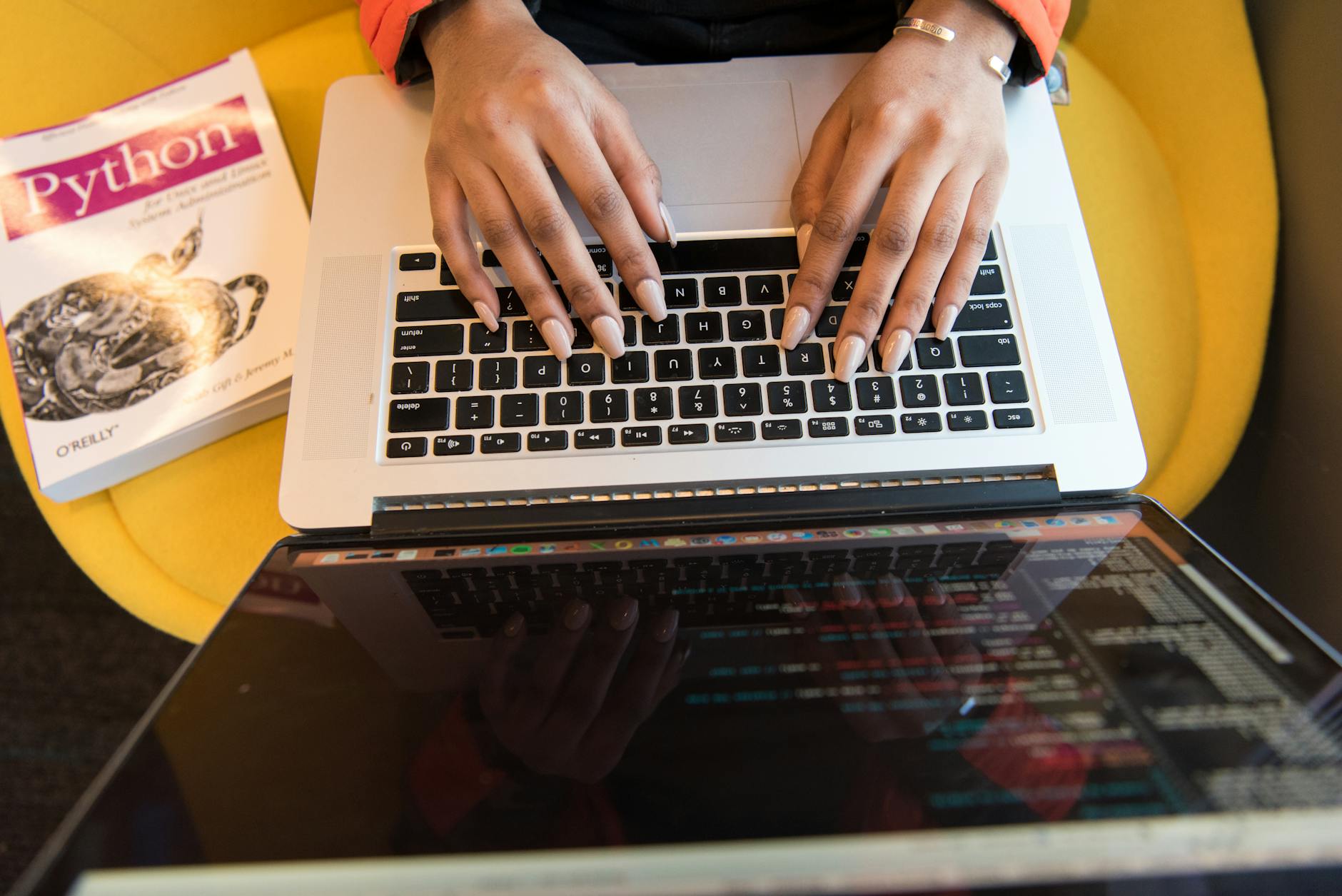

TL;DR: You can learn Python completely free in India using platforms like NPTEL, Google’s Python course, and freeCodeCamp — no paid bootcamp required. Follow this 6-month roadmap from basics to job-ready projects, and you’ll have a portfolio that Indian tech recruiters actually notice.
India is producing over 1.5 million engineering graduates every year, yet Python skills remain among the most in-demand and underpaid competencies in the job market. If you’re a student, a working professional looking to switch tracks, or a freelancer trying to add a high-value skill, Python is the clearest path to better-paying work in 2026.
The good news: you don’t need to spend ₹50,000 on a bootcamp. The free resources available today are genuinely excellent — the only thing most learners lack is a structured roadmap that tells them what to learn, in what order, and how to prove it to employers. This guide gives you exactly that.
What Is Python and Why Should Indians Learn It?
Python is a general-purpose, high-level programming language known for its readable syntax and massive ecosystem of libraries — making it the default language for data science, AI, automation, and backend web development.
Looking to buy or compare latest prices online? View verified deals, user reviews, and discounts directly on Amazon India:
It isn’t just a trending skill. Python is the backbone of India’s fastest-growing job categories. According to NASSCOM’s 2026 Tech Skills Report, Python consistently ranks as the #1 language demanded across AI, data analytics, and cloud roles in Indian tech companies. Infosys, Wipro, TCS, and startups from Bengaluru to Hyderabad list Python as a mandatory or preferred skill in over 60% of their technical job postings.
For freelancers on platforms like Toptal, Upwork, and even domestic platforms like Truelancer, Python-certified developers command ₹800–₹2,500 per hour for automation scripts and data work. The language has a shallow learning curve for beginners but scales all the way to machine learning and large language model development — meaning you won’t outgrow it.
📊 Key stat: India’s data analytics and AI job market is projected to add 2.3 million roles by 2027, with Python being the most-required technical skill — per NASSCOM’s Future of Tech 2026 report.
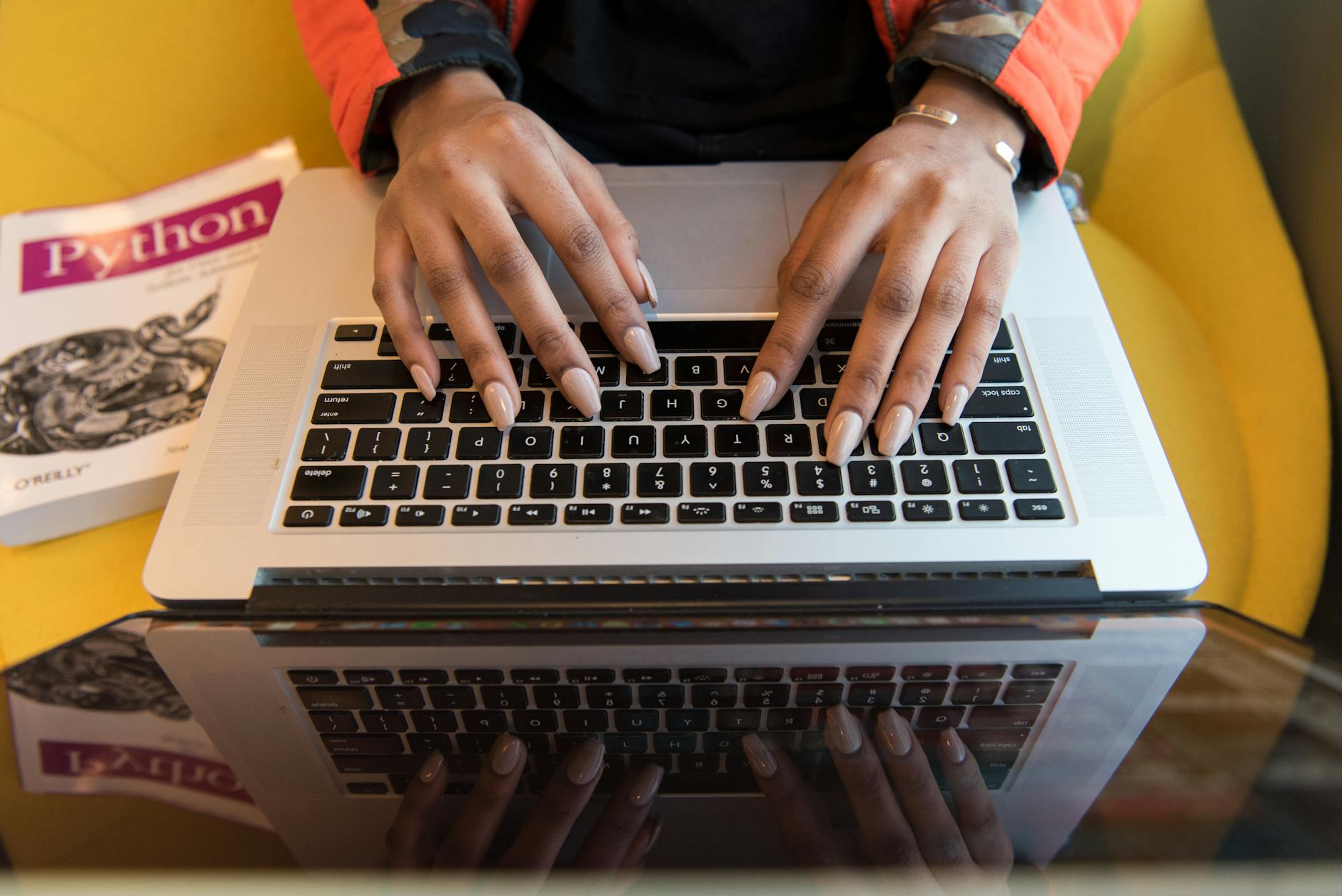
Why Free Python Learning Works in India in 2026
The common assumption is that free = inferior. That’s wrong in 2026, especially for Python. The open-source community, Google, and institutions like IIT have invested heavily in free, structured learning that rival or beat paid courses in content quality.
Here’s the India-specific reality that makes free learning especially viable right now:
Government backing is real. The MEITY Skill India Digital initiative, in partnership with platforms like SWAYAM and NPTEL, now offers Python certification courses with official recognition. NPTEL’s “Programming in Python” course, run by IIT professors, is free to audit and ₹1,100 for a proctored certificate — well within reach. Check available courses at SWAYAM’s official portal.
Internet access is no longer a barrier. With Jio’s 5G expansion covering 97% of urban India and affordable data plans averaging ₹200–₹300/month, streaming video tutorials and running cloud-based coding environments is accessible to most learners, including those in Tier 2 and Tier 3 cities.
Cloud coding removes hardware dependency. Google Colab, Replit, and GitHub Codespaces let you write and run Python entirely in a browser — so even a ₹15,000 budget laptop is sufficient to complete this entire roadmap.
📊 Key stat: SWAYAM-NPTEL reported 4.8 million course enrollments in technical subjects in 2025, with programming courses being the highest-demand category — per MEITY’s annual digital education report.
How to Learn Python Free: 6-Month Step-by-Step Roadmap
Step 1: Months 1–2 — Build the Foundation (Zero to Basics)
Start with Python syntax, data types, loops, and functions. Don’t skip this stage trying to jump to AI or data science — a weak foundation causes most learners to quit at Month 4.
Best free resource: Google’s Python Crash Course on Coursera (audit free, no certificate). Alternatively, CS50P from Harvard on edX is outstanding and fully free to audit.
Daily commitment: 45–60 minutes. Code every day, even if it’s just 10 lines. Use Python Tutor to visualize what your code is doing — this accelerates understanding dramatically for visual learners.
Milestone: By end of Month 2, you should be able to write a Python script that reads a CSV file, calculates averages, and outputs a result. Simple, but real.
Step 2: Months 3–4 — Intermediate Skills and First Projects
Move into object-oriented programming (OOP), file handling, API calls, and basic web scraping using BeautifulSoup and Requests.
Best free resource: NPTEL’s “The Joy of Computing using Python” (IIT Madras) — completely free to audit on SWAYAM. The structured weekly format suits working professionals.
Build two projects during this phase:
- A web scraper that pulls job listings from a public job board and exports them to Excel
- A simple expense tracker with file-based data storage
These aren’t impressive to a senior engineer, but they prove to entry-level recruiters that you can apply Python to real problems. Put them on GitHub — even a basic GitHub profile separates you from 80% of applicants who only have course certificates.
Milestone: Publish both projects on GitHub with a README that explains what the project does, what you learned, and how to run it.
Step 3: Months 5–6 — Specialization and Job Readiness
Pick ONE specialization based on your career goal. Don’t try to cover all three simultaneously — that’s the fastest path to burning out.
Track A — Data Science/Analytics: Learn Pandas, NumPy, Matplotlib, and basic machine learning with scikit-learn. Use Kaggle’s free courses and compete in beginner Kaggle competitions. Indian companies like PhonePe, Swiggy, and Meesho actively hire junior data analysts.
Track B — Automation/Scripting: Learn Selenium, scheduled tasks (cron/Windows Task Scheduler), and basic API integration. This track has the fastest freelance ROI — Indian businesses pay ₹5,000–₹20,000 for simple automation scripts.
Track C — Backend Web Dev: Learn Flask or FastAPI, connect to a database (SQLite to start), and deploy a simple app on Render or Railway (both free tiers available). Django is worth learning after Flask, not before.
💡 Pro tip: Once you can automate tasks and work with APIs, you’re ready to build tools using AI models. Our Top 50 AI Tools to Make Money (PDF) covers exactly which AI platforms pay Indian developers and creators — and how to combine them with Python skills for ₹199 to ₹499.
Free Python Learning Resources: Comparison Table
| Resource | Cost | Certificate | Best For | India-Friendly |
|---|---|---|---|---|
| NPTEL/SWAYAM | Free audit / ₹1,100 cert | ✅ Govt. recognized | Beginners, students | ✅ |
| Google Python Course (Coursera) | Free audit | ❌ (paid ₹3,500) | Working professionals | ✅ |
| freeCodeCamp | 100% Free | ✅ | Self-starters | ✅ |
| CS50P (Harvard edX) | 100% Free | ❌ (paid $149) | Serious beginners | ✅ |
| Kaggle Learn | 100% Free | ✅ | Data science track | ✅ |
| Codecademy | Freemium | ❌ Free tier limited | Interactive learners | ⚠️ Limited |
Best Free Python Platforms Available to Indian Learners in 2026
1. NPTEL/SWAYAM — Run by IIT and NIT faculty, these are India’s most credible free tech courses. The Python courses here carry weight with Indian recruiters at a level no international platform currently matches. Certification exam is ₹1,100 — worth every rupee.
2. freeCodeCamp — The 4-hour Python tutorial on YouTube has over 40 million views for good reason. It’s dense, practical, and moves fast. Pair it with freeCodeCamp’s written curriculum for a complete self-study path. Zero cost, no signup required to start.
3. Google’s Python Crash Course (Coursera) — This is the same Python training Google uses internally for non-engineer employees. Audit it free. If you need a certificate for your resume, the paid option is ₹3,500/month — but many Indian employers accept project evidence over course certificates.
4. Kaggle Learn — For the Data Science track, Kaggle’s micro-courses on Python, Pandas, and ML are the most practical free resources available. They feed directly into Kaggle competitions, which are real portfolio pieces.
5. CS50P (Harvard edX) — If you’re serious about building a strong foundation and have 3–4 months to commit, this course by David Malan is arguably the best free programming course on the internet. Fully free to audit, with problem sets that will genuinely challenge you.
How to Make Money with Python Skills in India
Python skills in India translate to income faster than most people expect — but only if you combine technical ability with visible proof of work.
Freelancing: Register on Fiverr, Upwork, and Internshala. Start with automation scripts (Excel automation, PDF processing, data scraping) priced at ₹2,000–₹8,000 per project. These are small but fast to build, and they generate reviews that compound into higher-value contracts. Within 6 months of consistent work, Python freelancers in India typically reach ₹30,000–₹80,000/month.
Job Market: Entry-level Python developer roles in India start at ₹3.5–₹6 LPA at service companies and ₹6–₹12 LPA at product companies. Data analyst roles using Python and SQL are abundant in Bengaluru, Hyderabad, and remote-first startups.
AI Tool Development: This is the highest-leverage opportunity in 2026. Developers who can wrap AI APIs (OpenAI, Gemini, Groq) with Python to build simple tools — chatbots, document analyzers, content automation — are billing ₹15,000–₹50,000 per project from SMB clients who can’t afford enterprise AI solutions.
For a curated breakdown of which AI tools pay Indian developers and which are worth integrating with your Python work, see our best AI tools for Indian freelancers guide.
You can also explore our how to start a tech career in India resources for the broader job market context.
Frequently Asked Questions
Q: How long does it take to learn Python from scratch in India with free resources?
A: Most consistent learners reach job-ready proficiency in 4–6 months, spending 45–60 minutes daily. Data science tracks take closer to 8 months. The key variable isn’t resources — it’s daily consistency in building and not just watching tutorials.
Q: Is NPTEL Python certification valid for jobs in India?
A: Yes. NPTEL certifications are recognized by major Indian IT companies including Infosys, Wipro, and TCS. The proctored exam certificate (₹1,100) carries more weight than international course completions because Indian recruiters understand its rigor and government backing.
Q: Can I learn Python without a computer science degree in India?
A: Absolutely. Python’s readable syntax makes it accessible to non-engineers. Thousands of Indian professionals from commerce, arts, and science backgrounds have transitioned to Python-based roles in data analytics, automation, and product management without CS degrees.
Q: What laptop is sufficient to learn Python in India on a budget?
A: Any laptop with 4GB RAM and a modern browser works, since you can use Google Colab for free cloud computing. If buying new, Redmi Book 15 (around ₹38,000) or refurbished ThinkPads under ₹25,000 are popular choices among Indian learners.
Q: Which Python specialization has the best salary in India in 2026?
A: Data science and machine learning roles pay the highest — ₹8–₹18 LPA at the entry-to-mid level in product companies. However, Python automation and backend development have faster time-to-first-income for freelancers, often within 2–3 months of basic proficiency.
Conclusion
Learning Python free in India in 2026 is not just possible — it’s the smartest route for most learners. Between NPTEL’s government-recognized courses, Google’s free audit tracks, and Kaggle’s hands-on data science curriculum, the quality of free resources has never been higher.
The roadmap is clear: two months on foundations, two months on intermediate projects, two months on your chosen specialization. GitHub profile with real projects. One recognized certificate (NPTEL is the best value). Then start applying or freelancing before you feel “ready” — because the market teaches faster than any course.
Don’t collect certifications. Build things. Show them.
Once you’re comfortable with Python basics and AI APIs, you’ll want to know which AI tools are actually worth integrating into your income stack. Our Top 50 AI Tools to Make Money (PDF) — priced at ₹199 to ₹499 — covers exactly that, with India-specific platforms, payment methods, and earning potential broken down clearly. It’s the shortcut to figuring out where Python + AI pays the most in 2026.
⚡ Join our VIP Telegram for Daily 70–90% Loot Deals: Don’t miss instant Amazon & Flipkart price drops, verified tech discounts, and lightning sales! 👉 Join @offers99infostore Free on Telegram ↗



![Best Diwali Gift Ideas Under ₹1000 in India (2026): Useful Tech & Festive Hampers [Top 10 Picks] - 99InfoStore Festive Tech Gift Guide](https://99infostore.com/wp-content/uploads/2026/10/best-diwali-gifts-under-1000-india-2026-260x140.jpg)
![Dhanteras 2026 Silver Buying: Hallmarking Rules, Rates & Pure Coins Guide [With Calculator] - 99InfoStore Festive Finance Guide](https://99infostore.com/wp-content/uploads/2026/10/dhanteras-2026-silver-buying-guide-260x140.jpg)