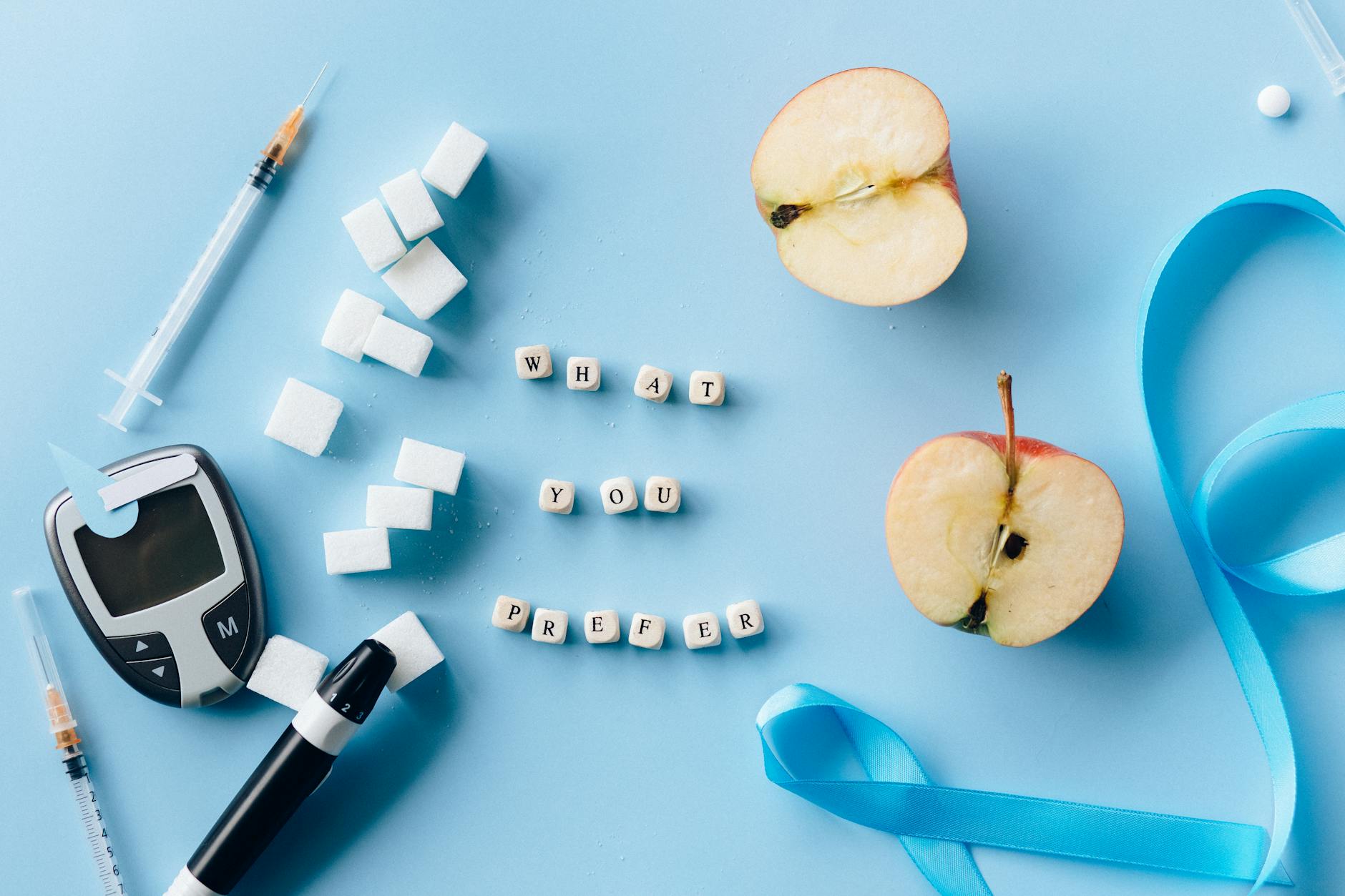

TL;DR: Insulin resistance is when your body’s cells stop responding to insulin properly, forcing your pancreas to overproduce it. Indians are genetically more susceptible to it — and the typical Indian diet of refined carbs, white rice, and maida actively worsens it. Catching the signs early can prevent Type 2 diabetes, fatty liver, and PCOD.
India is in the middle of a metabolic crisis that most people haven’t named yet. Over 101 million Indians have diabetes as of 2023, per the Indian Council of Medical Research (ICMR), and roughly three times that number are in a pre-diabetic insulin-resistant state — without knowing it. The problem isn’t just sugar. It’s an entire dietary pattern that triggers insulin resistance silently for years before any diagnosis arrives.
If you feel tired after meals, carry belly fat despite eating “clean,” or have been told your blood sugar is “borderline” — insulin resistance may already be at work. This guide explains exactly what it is, why Indians are especially vulnerable, and what the warning signs look like that most Indian diet advice completely ignores.
What Is Insulin Resistance?
Insulin resistance is a metabolic condition where your body’s cells — in muscle, fat, and liver tissue — fail to respond normally to insulin, causing the pancreas to compensate by producing increasingly higher amounts of the hormone.
Think of insulin as a key and your cells as locked doors. When you eat carbohydrates, glucose enters your bloodstream and insulin is released to “unlock” cells and let that glucose in for energy. In insulin resistance, the locks have become stiff — the key still exists, but it takes more and more of it to open the door.
Over time, the pancreas can’t keep up with the demand. Blood glucose stays elevated. This progression — insulin resistance → prediabetes → Type 2 diabetes — typically takes 5 to 10 years, but the damage begins at stage one.
📊 Key stat: Indians develop Type 2 diabetes at a BMI of 23–25, compared to 27–30 in Western populations, according to a 2023 study published in The Lancet Diabetes & Endocrinology.
What makes this especially dangerous is that insulin resistance produces no dramatic symptoms in early stages. Most Indians get diagnosed at an advanced stage, often only after a random blood sugar test reveals dangerously high levels during a checkup for something else entirely.
Why Indians Are Disproportionately at Risk in 2026
Indians carry a distinct genetic profile that makes insulin resistance significantly more likely — and the traditional Indian diet, particularly in its modern processed form, accelerates that risk.
Research from the All India Institute of Medical Sciences (AIIMS) confirms that South Asians have higher visceral fat (fat around the organs) at lower body weights compared to Europeans. This visceral fat is directly linked to insulin resistance because it releases inflammatory chemicals that interfere with insulin signalling.
📊 Key stat: According to the Indian Diabetes Federation’s 2024 report, 136 million Indians were in a prediabetic state — the majority of whom had never been screened or advised on lifestyle changes.
The modern Indian diet compounds this genetic vulnerability in specific ways. Daily consumption of white rice, white bread (maida), packaged snacks, sweetened chai, and fruit juices creates constant high-glycemic carbohydrate loads that spike insulin repeatedly throughout the day. Over years, this chronic hyperinsulinemia is precisely what desensitises cells to insulin.
Urbanisation has made things worse. A 2024 NASSCOM-linked health data report noted that 68% of urban Indian professionals consume fewer than two servings of vegetables per day — far below the fibre intake needed to slow carbohydrate absorption and protect insulin sensitivity.
Three India-specific risk amplifiers:
- Sedentary desk jobs: Muscle tissue is the body’s largest glucose sink. Indian IT professionals sitting for 8–10 hours daily lose a critical tool for glucose disposal.
- Late-night eating: Insulin sensitivity drops naturally in the evening. Heavy dinners at 9–10 PM are metabolically punishing.
- Stress and cortisol: Chronic work stress raises cortisol, which directly raises blood glucose and worsens insulin resistance.
Signs of Insulin Resistance the Indian Diet Ignores
This is where most health content fails Indian readers — it lists symptoms without explaining why the Indian context makes them easy to dismiss or misattribute.
Sign 1: Extreme Fatigue After Carbohydrate-Heavy Meals
Post-meal fatigue is normalised in Indian households. “It’s the biryani, it always makes you sleepy.” But this crash — feeling exhausted 30–60 minutes after a rice or roti-heavy meal — is a direct signal that glucose isn’t entering cells efficiently. Blood sugar spikes, insulin surges, blood sugar crashes, and energy collapses.
Most Indians attribute this to “heavy food” rather than a metabolic problem. If you consistently feel sluggish after meals, that is not normal digestion — that is your cells failing to use glucose.
Sign 2: Belly Fat That Doesn’t Respond to Exercise
High insulin actively prevents fat burning. Because insulin is a storage hormone, chronically elevated levels keep your body locked in fat-storage mode. Indians with insulin resistance often lose weight from their limbs but retain abdominal fat — a pattern called “thin-fat” or TOFI (Thin Outside, Fat Inside).
If your waist circumference exceeds 90 cm (men) or 80 cm (women) — the Asian-specific cutoffs defined by the International Diabetes Federation — insulin resistance is a likely contributor, regardless of your total body weight.
Sign 3: Dark Skin Patches (Acanthosis Nigricans)
Dark, velvety skin patches around the neck, armpits, or inner thighs are a direct physical marker of high insulin levels. Excess insulin stimulates skin cell growth in these areas. This sign is frequently missed in darker-skinned individuals because it can be mistaken for pigmentation or “dirt.”
Indian parents routinely tell teenagers to scrub these patches harder. This is one of the clearest visible signs of insulin resistance available to the naked eye.
Sign 4: Intense Sugar Cravings and Carb Dependence
When cells aren’t absorbing glucose efficiently, the brain signals hunger and craving — specifically for fast-energy carbohydrates. This creates the paradox where the more refined carbs you eat, the more you crave them. Indian snack culture — biscuits with chai, namkeen, sweet mithai — feeds this cycle directly.
Craving something sweet within 2 hours of a meal is a warning sign, not a preference or a habit.
Sign 5: PCOD in Women and Low Testosterone in Men
Insulin resistance is the primary driver of Polycystic Ovarian Disease (PCOD) in Indian women — yet most PCOD treatment focuses on hormones rather than the insulin issue underneath. Excess insulin stimulates the ovaries to overproduce androgens, causing irregular periods, acne, and cyst formation.
📊 Key stat: A 2024 study in the Journal of Human Reproductive Sciences found that 70% of Indian women with PCOD showed measurable insulin resistance on testing — yet fewer than 30% had been advised dietary intervention as first-line treatment.
In men, insulin resistance suppresses testosterone production, contributing to low energy, reduced libido, and muscle loss — symptoms often chalked up to “stress” or “aging.”

Insulin Resistance vs Diabetes: Quick Comparison
| Feature | Insulin Resistance | Type 2 Diabetes |
|---|---|---|
| Blood sugar | Normal or mildly elevated | Consistently elevated |
| Insulin levels | HIGH (overproduced) | Low or ineffective |
| Reversibility | Fully reversible with lifestyle | Manageable, rarely fully reversed |
| Diagnosis test | Fasting insulin + HOMA-IR | HbA1c, fasting glucose |
| Typical Indian age of onset | 25–40 years | 35–50 years |
| Medication required | Usually no | Often yes |
| Diet response | Very high | Moderate |
Insulin resistance is the window of opportunity. Type 2 diabetes is what happens when that window closes. The Indian healthcare system typically intervenes at the diabetes stage — which is why catching insulin resistance early, through awareness rather than routine diagnostics, matters so much.
How to Test for Insulin Resistance in India
Step 1: Request a Fasting Insulin Test
A standard HbA1c or fasting glucose test will NOT catch insulin resistance in early stages — blood sugar can appear normal while insulin is already sky-high. Ask your doctor specifically for a fasting serum insulin test. Cost at urban labs like Dr. Lal PathLabs or Thyrocare: approximately ₹300–₹600.
Step 2: Calculate Your HOMA-IR Score
HOMA-IR (Homeostatic Model Assessment of Insulin Resistance) = (Fasting Insulin × Fasting Glucose) ÷ 405. A score above 2.0 suggests insulin resistance. Above 2.9 is significant. Your lab report won’t calculate this automatically — you’ll need to do it manually or ask your doctor.
Step 3: Check Waist-to-Height Ratio
Divide your waist circumference (in cm) by your height (in cm). A ratio above 0.5 is a strong metabolic risk indicator validated specifically for South Asian populations. This is free, takes 60 seconds, and is more accurate than BMI for Indian body types.
Best Dietary Changes for Insulin Resistance in India 2026
Reversing insulin resistance doesn’t require imported superfoods. It requires restructuring how you eat the foods already in your kitchen.
1. Switch to Low-Glycemic Grains — Replace white rice with hand-pounded or parboiled rice, or millets like ragi and jowar. These release glucose slowly, reducing insulin spikes. Ragi in particular has a glycemic index of around 68 compared to white rice at 72–89.
2. Eat Protein at Every Meal — Protein slows gastric emptying and blunts glucose spikes. Add a serving of dal, paneer, eggs, or curd to every meal — including breakfast. Most Indian breakfasts (poha, upma, idli) are carbohydrate-dominant and protein-deficient.
3. Add Vinegar or Raw Onion Before Meals — Studies show 1 tablespoon of apple cider vinegar before a high-carb meal reduces post-meal glucose spikes by up to 20%. Raw onion contains chromium, which supports insulin sensitivity. Both are widely available and cost under ₹50/month.
4. Walk for 10 Minutes After Every Meal — Post-meal walks are the most underrated glucose management tool available. Muscle contractions during walking draw glucose into muscle cells via a non-insulin-dependent pathway — effectively bypassing the resistance.
5. Eliminate Liquid Carbohydrates — Packaged fruit juices, sweetened lassi, chai with 2 spoons of sugar, and cold drinks are pure glucose loads with no fibre buffer. This single change reduces daily insulin demand significantly for most Indians.
For a deeper resource on using technology and AI tools to track your health habits, monitor nutrition logs, and set up accountability systems — our AI tools guide for Indian productivity has specific recommendations for health-tracking apps that work in the Indian context.
How to Reverse Insulin Resistance: A Practical Indian Roadmap
The science on reversibility is clear — insulin resistance is one of the most diet-responsive conditions in medicine. Indian lifestyle interventions work faster than medication for most people at the pre-diabetic stage, per ICMR’s National Diabetes Control Programme guidelines.
The core interventions, in order of impact:
- Reduce refined carbohydrate load by 40–50% (most impactful single change)
- Increase physical activity — specifically resistance training builds insulin-sensitive muscle tissue
- Fix sleep — even one week of sleep restriction measurably worsens insulin sensitivity
- Manage chronic stress — cortisol directly raises blood glucose; meditation and structured breaks are not optional lifestyle additions, they are metabolic interventions
Check SEBI’s guidelines on health insurance coverage for investors planning preventive health spending — metabolic diagnostics and nutritionist consultations are now eligible for tax deduction under Section 80D, up to ₹25,000 per year.
💡 Pro tip: Use a continuous glucose monitor (CGM) like the FreeStyle Libre, available in India for approximately ₹2,500 per sensor, for two weeks. Seeing your real-time glucose response to specific Indian meals is more motivating — and more specific — than any generic dietary advice.
You can also explore our complete guide to health and wellness tools for Indians for more resources on metabolic health tracking.
Frequently Asked Questions
Q: What is the best Indian breakfast for insulin resistance?
A: Opt for eggs with vegetables, moong dal chilla, or Greek-style curd with nuts. Avoid plain poha, upma, or white bread, which spike insulin rapidly. Adding protein to every breakfast is the single highest-impact change for insulin-resistant Indians.
Q: Can insulin resistance be permanently reversed without medication?
A: Yes, insulin resistance is fully reversible in early stages through diet, exercise, and sleep. Studies show that reducing refined carbohydrate intake by 40% and walking 30 minutes daily can normalise insulin sensitivity within 8–12 weeks.
Q: Is rice the main cause of insulin resistance in Indians?
A: White rice contributes significantly but isn’t the sole cause. The combination of white rice, maida, sugar, sedentary lifestyle, and chronic stress creates insulin resistance. Switching to parboiled or millet-based meals reduces risk without eliminating rice entirely.
Q: What blood tests detect insulin resistance in India, and what do they cost?
A: Request a fasting serum insulin test (₹300–₹600 at labs like Dr. Lal PathLabs) plus fasting glucose. Calculate your HOMA-IR score using both values. A score above 2.0 indicates insulin resistance. Standard HbA1c alone will miss early-stage cases.
Q: Does PCOD mean a woman definitely has insulin resistance in India?
A: Not definitively, but 70% of Indian women with PCOD have measurable insulin resistance, per a 2024 study in the Journal of Human Reproductive Sciences. Every woman diagnosed with PCOD should request a fasting insulin test as part of her initial workup.
Conclusion
Insulin resistance is the silent precursor to India’s biggest chronic disease epidemic — and the Indian diet, in its modern processed form, is one of its primary drivers. The signs are visible and physically present in millions of Indians right now: belly fat that won’t shift, post-meal crashes, dark neck patches, PCOD diagnoses, and relentless sugar cravings. They’re just not being read correctly.
The good news is that this condition is more reversible through diet and lifestyle than almost any other metabolic disorder in modern medicine. The interventions required — eating more protein, switching to low-GI grains, walking after meals, fixing sleep — don’t require expensive supplements or imported foods.
Start with a fasting insulin test. Calculate your HOMA-IR. Make one dietary change this week. For Indian professionals navigating busy schedules, using digital tools and AI-powered tracking can make consistency significantly easier. Explore our health and wellness resource hub for curated tools that fit the Indian lifestyle.
📥 Want to build income while managing your health journey? Get our Top 50 AI Tools to Make Money (PDF) — ₹199 to ₹499. Curated for Indian creators and freelancers who want to use AI to generate income on their own schedule.





1 comment
📥 Get our “Top 50 AI Tools to Make Money (PDF)” — ₹199 – ₹499 at https://99infostore.com/product/top-50-ai-tools-pdf