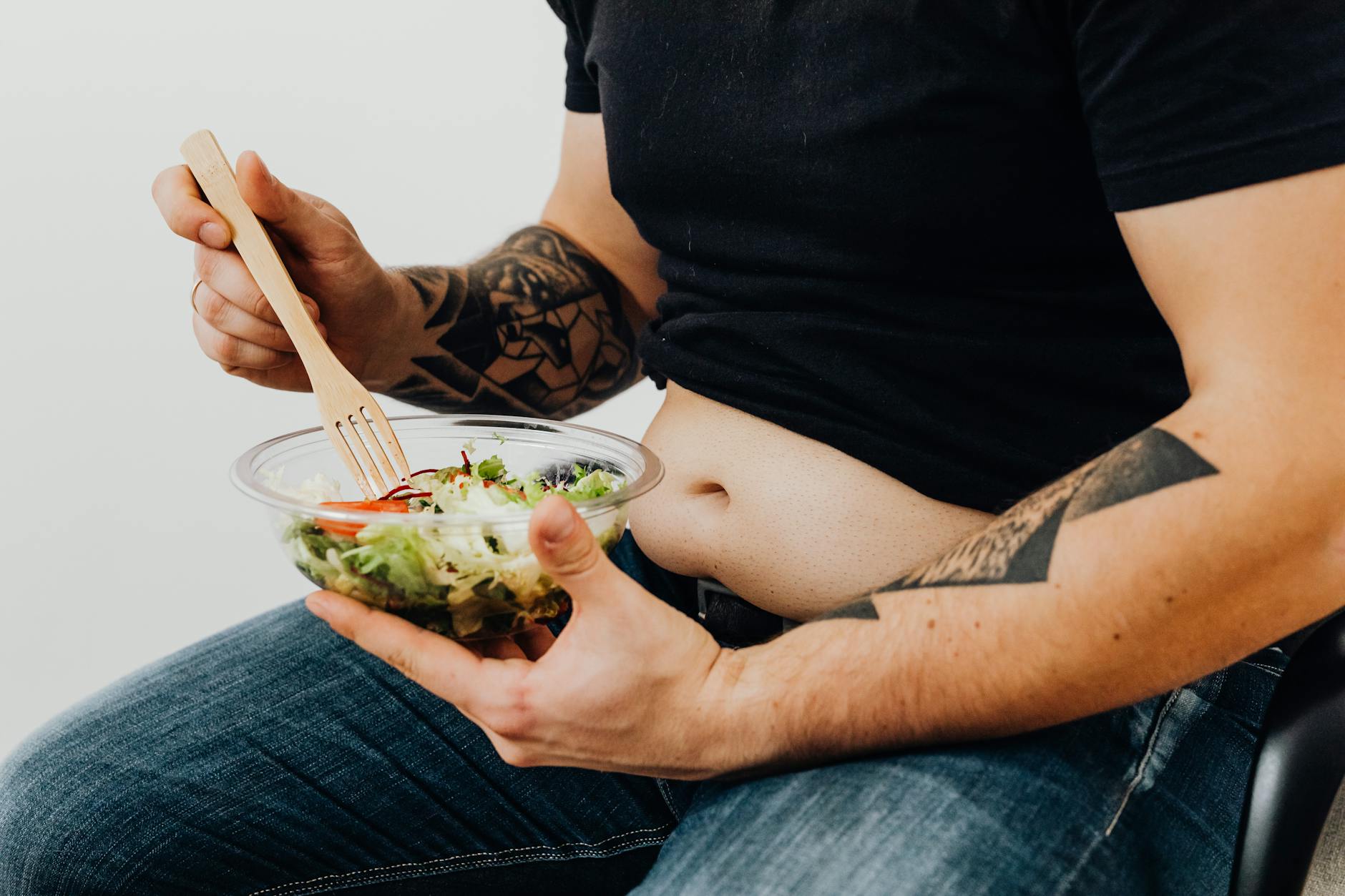

TL;DR: To lose belly fat fast on an Indian diet, cut refined carbs (maida, white rice), add protein at every meal, and create a 300–500 calorie daily deficit. Combine this with 30 minutes of walking and strength training 3x/week. Most Indians see measurable results in 4–6 weeks with consistent effort.
India is facing a silent health crisis. According to the Indian Council of Medical Research (ICMR), over 135 million Indians were obese or overweight in 2024 — and abdominal fat is the most dangerous kind, linked directly to Type 2 diabetes, heart disease, and fatty liver. The good news? You don’t need a gym membership or imported supplements. The right Indian diet plan, built around foods already in your kitchen, can cut belly fat faster than most trending diets. This guide gives you the exact plan.
What Is Belly Fat and Why Is It Different?
Belly fat is adipose tissue stored around the abdominal organs, technically called visceral fat. Unlike subcutaneous fat (the kind you can pinch), visceral fat wraps around your liver, pancreas, and intestines — making it metabolically active and directly harmful.
Visceral fat releases inflammatory chemicals called cytokines that disrupt insulin signaling, raise blood pressure, and increase LDL cholesterol. This is why two people can weigh the same but have vastly different health risks depending on where they store fat.
For Indians specifically, the risk is higher. Research published in the Journal of Diabetes Science and Technology (2023) found that South Asians develop dangerous visceral fat at a BMI significantly lower than Western populations — often at a BMI of just 23. This means an Indian at a “normal” weight can still carry harmful belly fat. Measuring your waist circumference tells you more than the scale: men should stay under 90 cm, women under 80 cm.

Why Belly Fat Is a Bigger Problem in India in 2026
India’s dietary pattern has shifted dramatically over the last decade. The ICMR’s National Nutrition Monitoring Bureau reported in 2024 that urban Indians now consume 42% more ultra-processed food than in 2015 — think instant noodles, packaged biscuits, and sugary chaas mixes. Combined with sedentary desk jobs and rising stress levels, this has created a perfect storm for abdominal fat accumulation.
📊 Key stat: India’s diabetes burden reached 101 million adults in 2023, per the Lancet Diabetes & Endocrinology study — 70% of whom showed elevated visceral fat markers.
Three specific Indian dietary habits drive belly fat:
- Excess refined carbs: White rice three times a day, maida rotis, puri-bhaji — these spike insulin repeatedly, signaling your body to store fat abdominally.
- Low protein intake: The average Indian diet provides just 40–50 g of protein daily (ICMR baseline), well below the recommended 0.8–1.0 g per kg of body weight. Low protein means slower metabolism and more muscle loss.
- Late, heavy dinners: Eating 60–70% of calories after 8 PM, as many working Indians do, is strongly associated with worse metabolic outcomes per a 2023 study in Cell Metabolism.
The solution isn’t to abandon Indian food. It’s to restructure it intelligently.
The Indian Diet Plan to Lose Belly Fat: Step-by-Step
Step 1: Build Your Calorie Deficit Without Starving
A 300–500 calorie daily deficit produces sustainable fat loss of 0.3–0.5 kg per week. For most Indian adults, this means targeting 1,600–1,900 calories/day for men and 1,300–1,600 calories/day for women, depending on activity level.
Use the free ICMR Dietary Guidelines calculator as a baseline. Do NOT go below 1,200 calories — this triggers muscle breakdown and cortisol spikes that worsen belly fat.
Step 2: Swap the Carb Sources (Not Cut Them)
Don’t eliminate carbs. Swap them.
| Swap Out | Swap In |
|---|---|
| White rice (1 cup = 200 cal, high GI) | Brown rice or millets (ragi, bajra, jowar) |
| Maida roti / paratha | Multigrain or besan roti |
| Sugary chai (2 tsp sugar) | Black chai or green tea |
| Packaged namkeen | Roasted chana or makhana |
| White bread | Sourdough or seed bread |
Millets are especially powerful. Ragi has a glycemic index of just 54 (vs. white rice at 72+) and is loaded with calcium and fiber. Bajra rotis keep you full for 4–5 hours and are a staple in Rajasthan and Gujarat for good reason.
Step 3: Add Protein to Every Single Meal
This is the most under-followed step in Indian diets. Protein keeps you full, preserves muscle mass during fat loss, and has the highest thermic effect (your body burns 20–30% of protein calories just digesting it).
High-protein Indian food sources:
- Breakfast: 3 egg whites + 1 whole egg scramble (20 g protein), or moong dal chilla (15 g)
- Lunch: 150 g paneer in sabzi (27 g protein), or 1 cup cooked rajma/chana (15 g)
- Dinner: 100 g grilled chicken or fish (22–25 g), or mixed dal (18 g)
- Snack: 1 cup plain Greek yogurt (dahi with less whey drained off) = 12–15 g
Target 80–100 g protein per day minimum if you’re trying to lose fat.
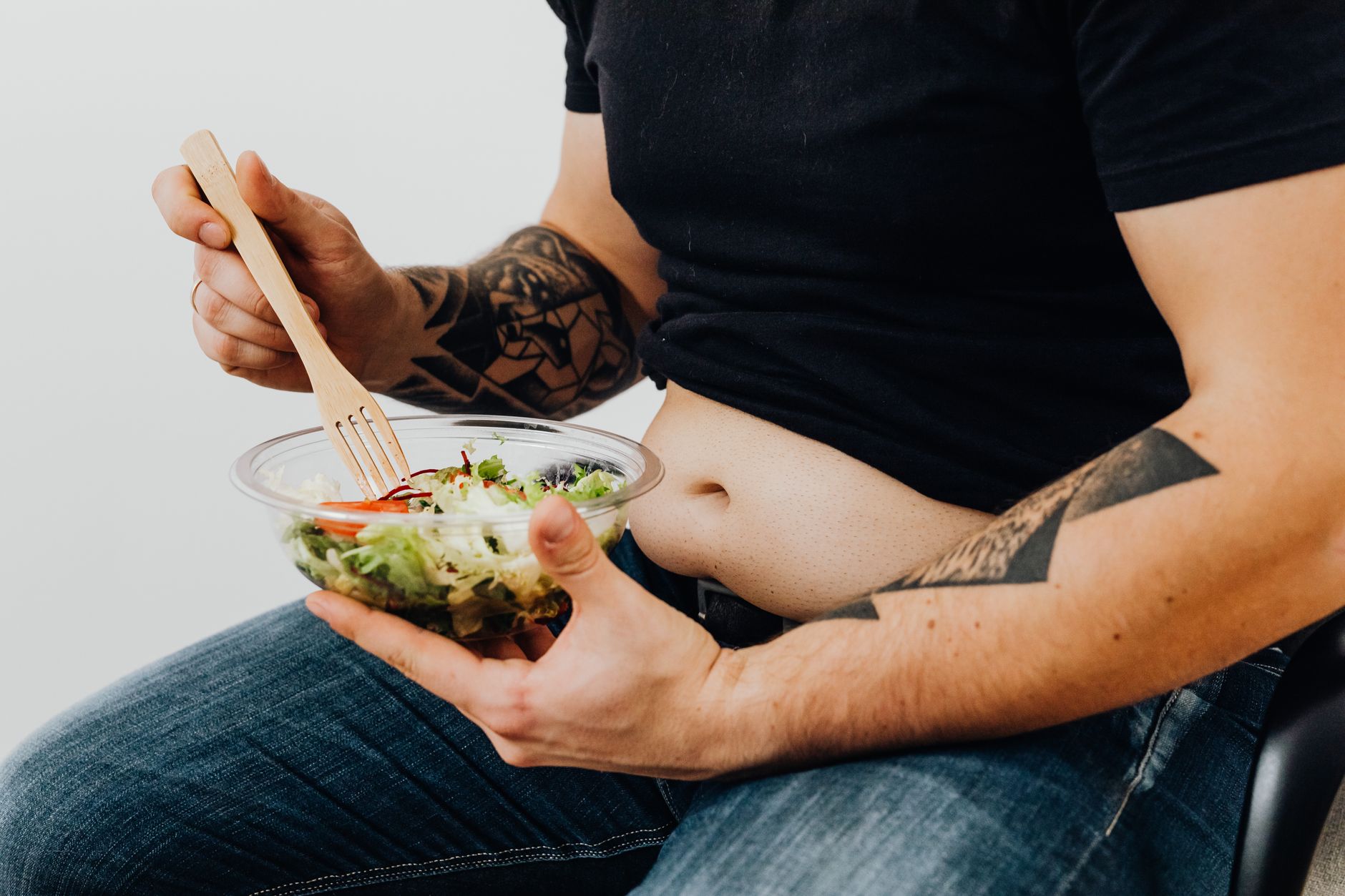
Sample Indian Diet Plan for Belly Fat Loss (Full Day)
This sample plan runs at approximately 1,600–1,700 calories with 85–95 g protein.
Early Morning (6:30 AM)
Warm water with half a lemon + 1 tsp jeera (cumin) water. Cumin has shown mild fat-oxidation effects in a 2014 Complementary Therapies in Clinical Practice study.
Breakfast (8:00 AM)
2 moong dal chillas + 1 small bowl dahi + 1 cup green tea. (~380 calories, 22 g protein)
Mid-Morning Snack (11:00 AM)
1 small bowl roasted chana + 1 medium apple. (~180 calories, 9 g protein)
Lunch (1:00 PM)
1 cup rajma curry + 1 cup cooked brown rice + cucumber-onion salad with lemon. (~450 calories, 20 g protein)
Evening Snack (4:30 PM)
1 cup plain dahi + 10 almonds. (~160 calories, 10 g protein)
Dinner (7:30 PM — BEFORE 8 PM)
2 bajra rotis + palak paneer (100 g paneer) + mixed vegetable sabzi. (~480 calories, 24 g protein)
Post-Dinner
1 cup haldi doodh (turmeric milk with low-fat milk) or chamomile tea.
Total: ~1,650 calories | ~85 g protein | ~28 g fiber
Indian Diet Plan vs. Keto/Intermittent Fasting: Quick Comparison
| Feature | Indian Diet Plan | Keto Diet | Intermittent Fasting (16:8) |
|---|---|---|---|
| Sustainability (India) | ✅ High | ❌ Low — hard with dal-roti culture | ✅ Moderate |
| Cost (monthly) | ₹3,000–5,000 | ₹8,000–12,000 | ₹3,000–5,000 |
| Fiber intake | ✅ Excellent | ❌ Very low | ✅ Depends on food choices |
| India-specific support | ✅ Full | ❌ Limited recipes | ✅ Moderate |
| Muscle preservation | ✅ Good (with protein) | ⭐⭐⭐ | ⭐⭐⭐ |
| Best for | Long-term fat loss | Short-term rapid loss | Fat loss + gut health |
The verdict: For most Indians, a restructured traditional diet beats keto long-term because it uses affordable, accessible foods and matches social eating patterns (weddings, office lunches, family dinners).
The 3 Best Exercises to Pair with This Diet
Diet does 70–80% of the work for belly fat loss. Exercise handles the rest — and accelerates results significantly.
1. Brisk Walking (30–45 min daily) — The most underrated tool. A 2022 study in JAMA Internal Medicine confirmed that 7,000–10,000 steps/day reduces visceral fat independently of diet. Free, joint-friendly, and doable anywhere in India.
2. Strength Training (3x/week) — Muscle burns 3x more calories than fat at rest. Basic bodyweight exercises (squats, push-ups, lunges) done consistently for 8 weeks reduce waist circumference by an average of 3.5 cm, per a 2023 meta-analysis in Obesity Reviews.
3. Surya Namaskar (10–12 rounds daily) — Each round burns approximately 13.9 calories and targets core engagement. A 2023 study from All India Institute of Medical Sciences (AIIMS) found consistent Surya Namaskar practice reduced waist-hip ratio significantly over 12 weeks.
For a complete breakdown of how AI tools are changing health coaching and fitness planning in India, check out our guide to best AI tools for Indian freelancers and creators.
5 Indian Foods That Actively Fight Belly Fat
These aren’t superfoods from abroad. They’re in every Indian kitchen.
1. Methi (Fenugreek Seeds) — Soluble fiber called galactomannan slows carb absorption and reduces post-meal insulin spikes. Soak 1 tsp overnight, drink the water each morning.
2. Jeera (Cumin) — A 2014 clinical trial found jeera water supplementation reduced body fat by 14.64% in 8 weeks compared to placebo. Add to dal, raita, and morning water.
3. Ragi (Finger Millet) — High fiber, low GI, and rich in polyphenols that reduce fat cell formation. Ragi rotis or kanji are particularly effective for women managing hormonal belly fat.
4. Green Tea (Desi version: Tulsi-Ginger Chai) — Catechins in green tea increase fat oxidation by 17%, per a Journal of Nutrition meta-analysis. Replace at least one sugary chai per day.
5. Amla (Indian Gooseberry) — Exceptionally high in Vitamin C, which is directly correlated with lower cortisol levels. High cortisol = more belly fat storage. Fresh amla juice or amla murabba (without excessive sugar) works.
For deeper reading on building sustainable health habits alongside your financial goals, explore our how to start investing in mutual funds guide — because financial and physical health compound the same way.
Common Mistakes Indians Make When Trying to Lose Belly Fat
Mistake 1: Eating “healthy” but still eating too much
A bowl of mixed nuts = 600+ calories. Ghee on 3 rotis = 200 extra calories. Healthy foods still create fat gain when consumed in excess.
Mistake 2: Skipping meals to lose weight faster
Skipping breakfast spikes cortisol, which directly promotes abdominal fat storage. Eat 4–5 smaller meals instead.
Mistake 3: Relying only on cardio
Endless treadmill sessions without strength training leads to muscle loss, slower metabolism, and a “skinny fat” physique — where the waist remains wide despite lower overall weight.
Mistake 4: Ignoring sleep
Sleeping less than 6 hours/night raises ghrelin (hunger hormone) by 28% and reduces leptin (satiety hormone) by 18%, per research from the University of Chicago. Poor sleep is one of the biggest hidden drivers of belly fat in urban Indians.
For personalised meal tracking, many Indian nutritionists now use AI-powered tools to build custom plans. Explore the top AI resources for Indian health and wellness to see how technology is changing personal nutrition.
Frequently Asked Questions
Q: How fast can I lose belly fat on an Indian diet in 2026?
A: With a consistent 400-calorie daily deficit, high-protein Indian meals, and 30 minutes of daily walking, most people lose 1.5–2 kg of fat per month. Visible belly reduction typically appears within 3–4 weeks.
Q: Is rice completely off-limits when trying to reduce belly fat?
A: No. Switching to brown rice or eating smaller portions of white rice (½ cup cooked) with protein and sabzi keeps it manageable. Total calorie control matters more than eliminating any single food.
Q: Can I lose belly fat without going to the gym in India?
A: Yes. Brisk walking 45 minutes daily, Surya Namaskar (12 rounds), and bodyweight exercises at home — combined with a corrected Indian diet — deliver measurable results. A gym accelerates results but isn’t required.
Q: What is the best Indian breakfast to reduce belly fat?
A: Moong dal chilla with dahi, or a vegetable omelette (3 eggs) with a small multigrain roti. Both provide 20–25 g protein, keeping insulin stable and hunger controlled through the morning.
Q: Does jeera water actually help lose belly fat in India?
A: Jeera (cumin) water has modest but real fat-loss effects. A 2014 clinical trial showed 14.64% body fat reduction over 8 weeks with jeera supplementation. Drink it daily on an empty stomach as a low-effort add-on.
Conclusion
Losing belly fat as an Indian doesn’t mean abandoning dal-roti or importing expensive supplements. It means making smart swaps: millets over maida, protein at every meal, dinner before 8 PM, and daily movement. The science is clear — visceral fat responds to dietary changes faster than any other fat depot in the body. With a 300–500 calorie deficit and the plan outlined above, you can expect measurable waist reduction within 4–6 weeks.
Start with just three changes this week: replace one meal’s white rice with bajra roti, add a protein source to breakfast, and walk for 30 minutes. Progress compounds. The hardest part is the first week.
📥 Want to work smarter on your health and income goals? Get our Top 50 AI Tools to Make Money (PDF) — ₹199 to ₹499. Includes AI tools for meal planning, content creation, and building income streams, curated specifically for Indian users.







1 comment
📥 Get our “Top 50 AI Tools to Make Money (PDF)” — ₹199 – ₹499 at https://99infostore.com/product/top-50-ai-tools-pdf