
TL;DR: The best CGM sensors in India for 2026 are the Abbott FreeStyle Libre 3 for its compact design and continuous stream, and the Dexcom G7 for clinical-grade precision. Wellness enthusiasts should opt for the Ultrahuman M1, which packages CGM hardware with actionable, metabolic software designed for Indian diets.
The landscape of metabolic health management in India has experienced a massive shift. Relying solely on painful, sporadic finger-prick blood tests is no longer the standard for modern glucose management. If you are searching for the best CGM sensors India has to offer in 2026, you likely want to gain deep visibility into how your diet, sleep patterns, and physical activity impact your metabolic health.
Whether you are managing Type 1 or Type 2 diabetes, or you are simply a health-conscious individual trying to avoid the afternoon energy slump, a Continuous Glucose Monitor (CGM) provides real-time, actionable insights. By monitoring your responses to local foods like white rice, roti, or high-stress work environments, these devices help you make targeted lifestyle adjustments before chronic issues develop. Let us dive into the absolute best CGM sensors available in India this year.
What Is a CGM Sensor?
A CGM sensor is a wearable medical device that measures glucose levels in the body’s interstitial fluid through a tiny filament inserted just beneath the skin.
Looking to buy or compare latest prices online? View verified deals, user reviews, and discounts directly on Amazon India:
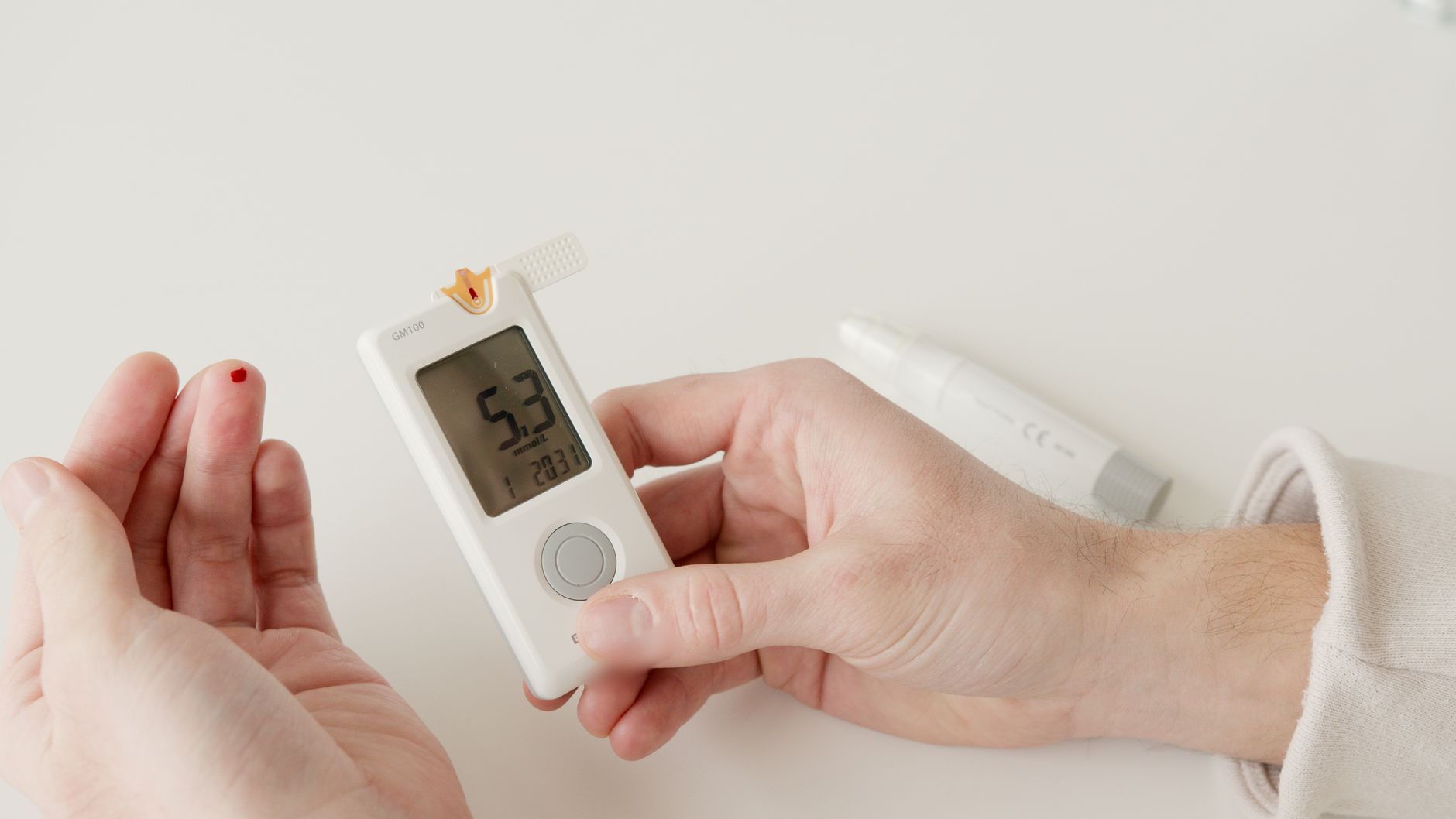
Unlike traditional glucometers that measure capillary blood glucose from a finger stick, a CGM sensor sits comfortably on your arm or abdomen for up to 14 days. It transmits reading updates every few minutes directly to a smartphone app or a dedicated reader. This constant stream of information allows you to visualize your glucose curves, note sudden spikes, and observe how quickly your body recovers after meals.

Understanding the minor delay between blood glucose and interstitial fluid glucose—usually about 10 to 15 minutes—helps you read your trends accurately. Modern glucose sensors minimize this lag, providing highly accurate projections that prevent unexpected dips or dangerous spikes.
Why CGM Sensors Matter in India in 2026
The metabolic health crisis in India has escalated rapidly over the last few years. According to a landmark study by the Indian Council of Medical Research (ICMR), India is home to over 101 million people living with diabetes, alongside an estimated 136 million individuals in pre-diabetic stages. Managing this crisis requires proactive, daily tools that adapt to regional dietary habits.
In 2026, the rise of domestic health tech platforms has made CGM technology highly accessible. By visualizing the glycemic impact of traditional, high-carbohydrate Indian meals, users can modify portion sizes or alter food order sequences to manage spikes. This preventive approach reduces long-term dependence on heavy pharmaceutical interventions.
📊 Key stat: Over 101 million people in India are currently diagnosed with diabetes, making continuous monitoring a critical public health asset, according to the ICMR.
How a CGM Sensor Works: Step-by-Step
Understanding the deployment process helps demystify glucose bio-wearables. Here is exactly how a CGM system operates daily.
Step 1: Application of the Sensor
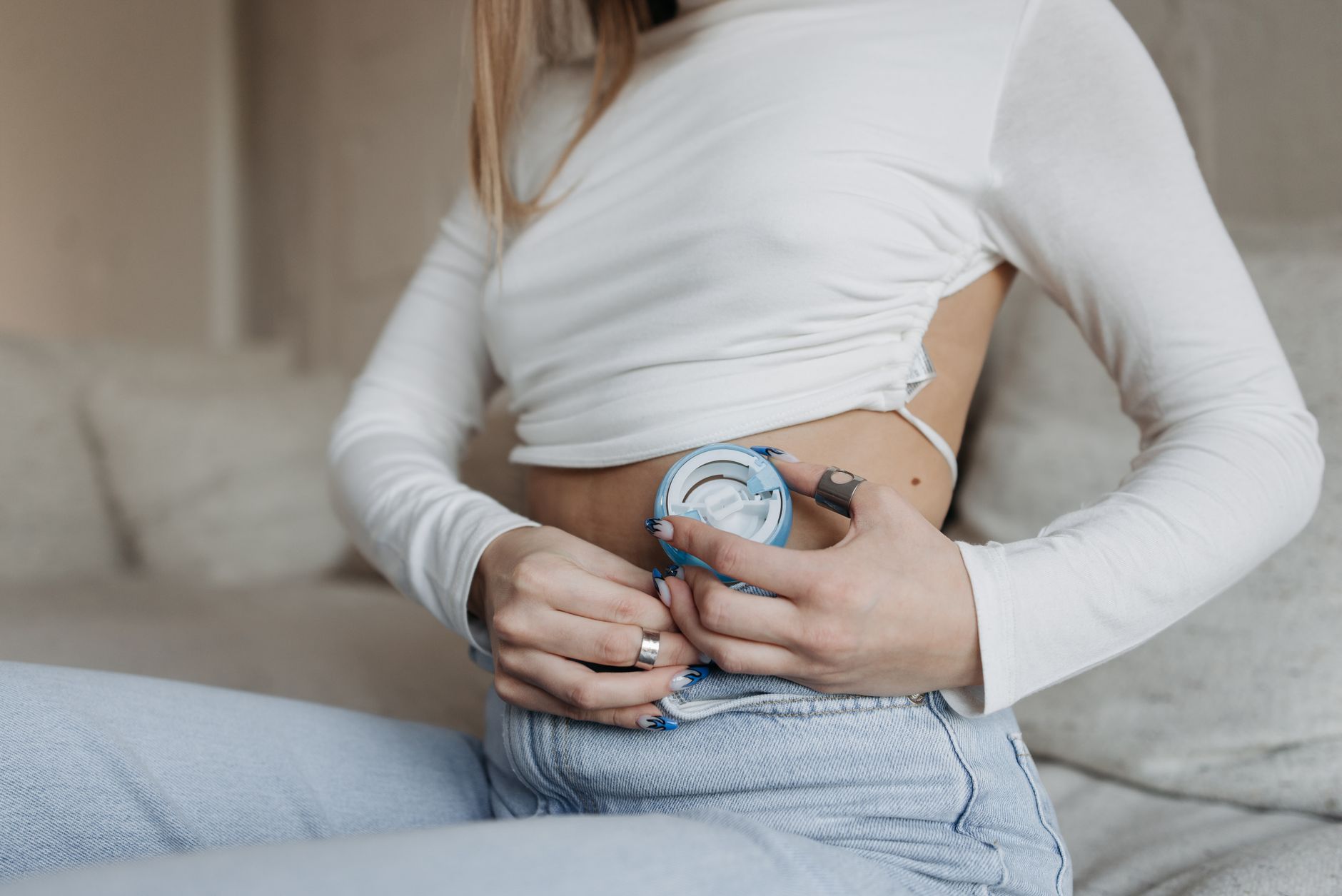
You apply the small, water-resistant sensor to the back of your upper arm or your abdomen using a disposable, spring-loaded applicator. The sterile inserter introduces a tiny, flexible sensor wire just underneath your skin surface, which is virtually painless.
Step 2: System Warm-Up and Calibration
Once applied, the sensor requires a warm-up period, usually ranging from 30 minutes to 2 hours. During this phase, the sensor stabilizes in your interstitial fluid. Some older models require manual calibration via finger-prick entry, but top 2026 models come factory-calibrated.
Step 3: Real-Time Data Streaming
The sensor continuously reads glucose concentrations and utilizes built-in Bluetooth transmitters to send this information directly to your phone. The companion application displays your current level, historical trends, and sounds alarms if your levels cross pre-set safety thresholds.
Best CGM Sensors India: Quick Comparison
Evaluating the primary options helps narrow down the perfect system for your budget and medical requirements.
| Sensor Model | Average Cost (INR) | Lifespan | Calibration Needed | Best For |
|---|---|---|---|---|
| Abbott FreeStyle Libre 3 | ₹5,500 per sensor | 14 Days | No | Overall balance of price and accuracy |
| Dexcom G7 | ₹11,000+ (per sensor) | 10 Days | No | Type 1 Diabetics needing instant alerts |
| Ultrahuman M1 (Libre 2/3 Integrated) | ₹4,500 – ₹12,000 (Plans) | 14 Days | No | Fitness coaching and metabolic scoring |
| Medtronic Guardian Connect | ₹15,000+ (System) | 7 Days | Yes | Advanced medical sync with insulin pumps |
⚡ Join our VIP Telegram for Daily 70–90% Loot Deals: Don’t miss instant Amazon & Flipkart price drops, verified tech discounts, and lightning sales! 👉 Join @offers99infostore Free on Telegram ↗