

TL;DR: Losing belly fat fast requires a calorie deficit, high-protein Indian diet, strength training, and better sleep — not crash diets or fat-burner supplements. This plan uses evidence-based strategies adapted for Indian lifestyles, food habits, and metabolic risks. Most Indians can see measurable waist reduction in 4–6 weeks with consistent effort.
India is facing a silent abdominal obesity crisis. You can be “normal weight” on the scale yet carry dangerous visceral fat around your waist — a pattern called TOFI (Thin Outside, Fat Inside) that affects millions of Indians. This post gives you a complete, science-backed plan to lose belly fat fast, built specifically around Indian food, workout realities, and metabolic biology. No fad diets. No magic detox teas. Just what actually works.
What Is Belly Fat and Why Is It Dangerous?
Belly fat is excess adipose tissue stored in and around the abdominal cavity, specifically divided into two types: subcutaneous fat (under the skin) and visceral fat (wrapped around organs like the liver, pancreas, and intestines).
Looking to buy or compare latest prices online? View verified deals, user reviews, and discounts directly on Amazon India:
Visceral fat is metabolically active. It releases inflammatory chemicals called cytokines that raise insulin resistance, blood pressure, and LDL cholesterol simultaneously. This makes central obesity — the medical term for excess belly fat — a stronger predictor of heart disease and type 2 diabetes than overall body weight.
Indians are genetically predisposed to store more visceral fat at lower BMI levels than Caucasian populations, according to research published in The Lancet Diabetes & Endocrinology. A waist circumference above 90 cm for Indian men and 80 cm for Indian women is considered high-risk by the Indian Council of Medical Research (ICMR). Understanding this biological reality is Step 1 before you start any fat-loss plan.
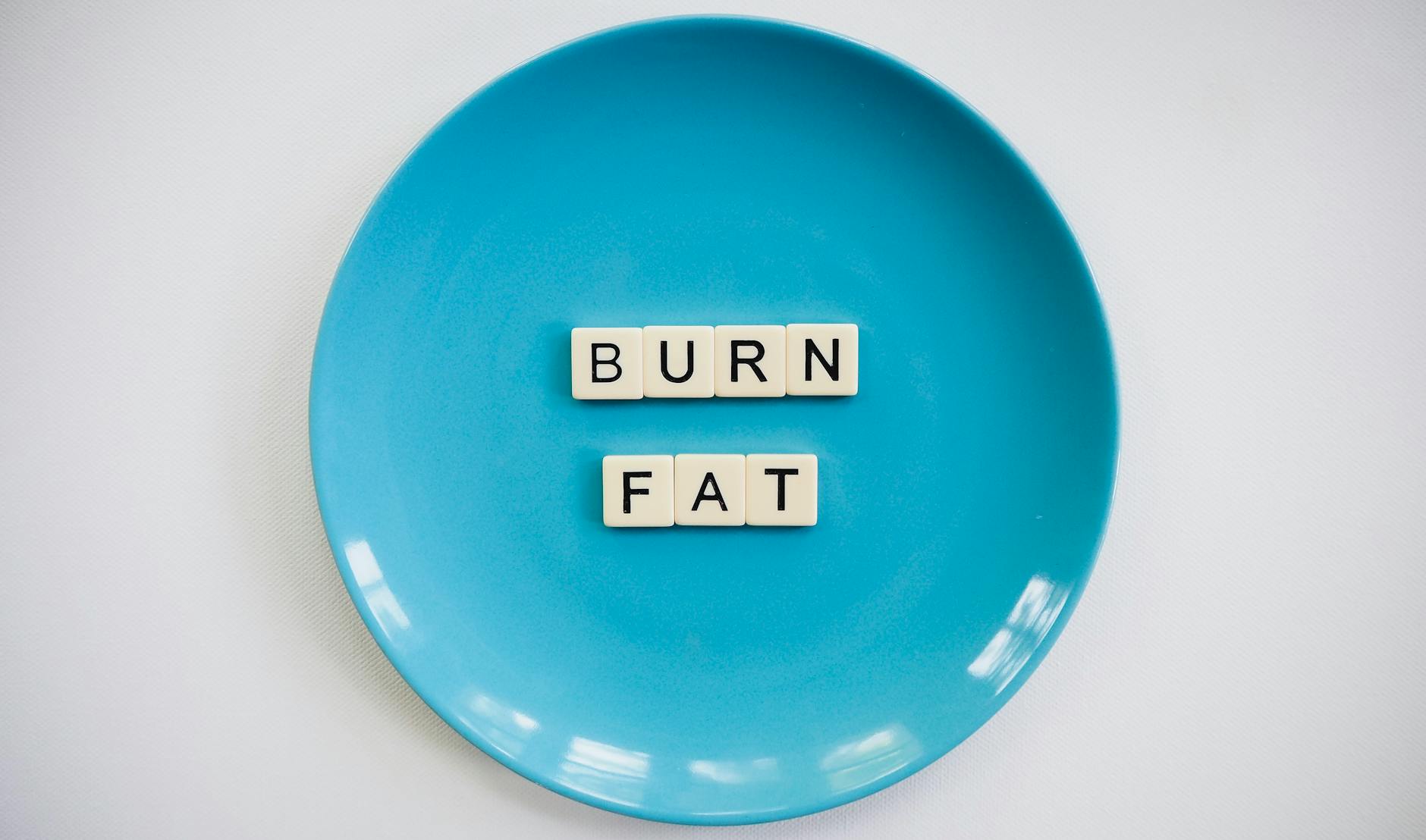
Why Belly Fat Is a Growing Crisis in India in 2026
India now has over 135 million people living with type 2 diabetes — the highest absolute number in the world — with abdominal obesity identified as the primary driver, per the International Diabetes Federation (IDF) 2026 Global Report. A separate ICMR-INDIAB study found that central obesity affects 40.3% of urban Indian adults, up from 26.9% a decade ago.
📊 Key stat: India’s obesity prevalence rose from 8.4% in 2014 to 24.1% in 2026 among urban adults, according to IBEF health sector data compiled from National Family Health Survey (NFHS-5) longitudinal tracking.
The shift is driven by three forces: ultra-processed food consumption rising 13.2% annually in Indian cities, increasingly sedentary desk-bound work culture, and chronic sleep deprivation — with 93 million Indians sleeping fewer than 6 hours per night, per a 2026 survey by the Indian Sleep Medicine Society.
The good news: belly fat, especially visceral fat, responds faster to lifestyle intervention than fat stored in thighs or arms. This is the most “moveable” fat in your body. Targeted strategies work — but only when applied consistently.
How Belly Fat Loss Actually Works: The Science
Step 1: Create a Sustainable Calorie Deficit
You cannot spot-reduce fat. No amount of crunches burns belly fat specifically. Fat loss happens systemically — your body decides where to pull stored energy from based on hormonal signals and genetics. However, when you lose total body fat, visceral abdominal fat tends to reduce disproportionately compared to subcutaneous fat, per a 2023 meta-analysis in Obesity Reviews.
A calorie deficit of 300–500 kcal/day produces 0.3–0.5 kg of fat loss per week — a safe, sustainable rate. For most Indian adults with sedentary to moderately active lifestyles, this means targeting 1,400–1,700 kcal/day for women and 1,600–1,900 kcal/day for men.
Use free tools like the TDEE Calculator at tdee.me or MyFitnessPal to get a baseline. Do not drop below 1,200 kcal (women) or 1,400 kcal (men) — extreme restriction spikes cortisol, which directly increases belly fat storage.
Step 2: Restructure Your Indian Diet for Fat Loss
Indian diets are carbohydrate-heavy by default — rice, roti, poha, idli, and dosa are staples. None of these are inherently bad. What matters is quantity, cooking method, and protein balance.
High-protein Indian foods that support fat loss:
- Paneer (100g = 18g protein, ~270 kcal)
- Moong dal (cooked, 100g = 7g protein)
- Chana (cooked, 100g = 8.9g protein)
- Eggs (1 whole egg = 6g protein)
- Low-fat curd/dahi (100g = 3.5g protein)
- Soy chunks/nutrela (100g dry = 52g protein)
Aim for 1.2–1.6g of protein per kg of body weight daily. For a 70 kg Indian adult, that is 84–112g of protein per day. This single change — increasing protein — reduces appetite hormones (ghrelin) and raises metabolism-boosting thermogenesis by 15–30%, per clinical nutrition studies.
What to reduce (not eliminate):
- White rice portions (shift from 2 cups cooked to 1 cup)
- Maida-based items (biscuits, bread, samosas) — replace with whole grain or millet alternatives
- Packaged namkeen and chakli — extremely calorie-dense at ₹30–50 per 100g
- Refined vegetable oils — switch to cold-pressed mustard or virgin coconut oil in smaller quantities
Step 3: Add the Right Exercise Combination
Research is clear: combining resistance training with moderate-intensity cardio reduces belly fat significantly faster than either alone.
Week 1–2: Foundation Phase
Start with 3 days/week of resistance training (bodyweight is fine — squats, push-ups, planks, lunges). Add 20–30 minutes of brisk walking on alternate days. This costs ₹0 and can be done in your living room or local park.
Week 3–6: Progressive Phase
Add compound lifts if you have gym access — deadlifts, goblet squats, dumbbell rows. Increase cardio to 4 days/week. HIIT (High-Intensity Interval Training) 2x/week is particularly effective for visceral fat: 20 minutes of HIIT burns equivalent fat to 45 minutes of steady-state walking, per a 2022 Journal of Obesity study.

Week 7+: Maintenance and Progression
By week 6, reassess waist measurement. Most people following this plan lose 3–5 cm of waist circumference in 6 weeks. Continue progressive overload — add 5% weight or reps every 2 weeks to prevent plateau.
Indian Diet Plan vs Western Keto: Quick Comparison
| Feature | Indian High-Protein Diet | Western Keto Diet |
|---|---|---|
| Monthly food cost | ₹3,000–₹5,000 | ₹8,000–₹15,000 |
| Suited for Indian gut | ✅ Yes | ❌ Often not |
| Sustainable long-term | ✅ High | ❌ Low (60–70% quit in 3 months) |
| Vegetarian-friendly | ✅ Fully adaptable | ❌ Very difficult |
| Requires supplements | ❌ Minimal | ✅ Electrolytes, MCT oil |
| Proven for visceral fat | ✅ Strong evidence | ⚠️ Moderate evidence |
| India doctor support | ✅ Widely recommended | ⚠️ Limited consensus |
The conclusion is straightforward: an Indian high-protein, moderate-carb diet built around dal, sabzi, eggs, paneer, and whole grains outperforms imported diet frameworks for most Indian bodies.
Best Belly Fat Loss Strategies Ranked for Indians in 2026
1. Intermittent Fasting (16:8 Method) — Eating within an 8-hour window (e.g., 10 AM to 6 PM) and fasting for 16 hours reduces insulin levels and triggers fat-burning ketosis in the final hours of the fast. A 2024 study in Cell Metabolism showed 16:8 IF reduced visceral fat by 7.8% in 12 weeks without calorie counting. Works well with Indian dinner-timing culture if you shift the window appropriately.
2. Strength Training 3x Per Week — Muscle tissue burns 3x more calories at rest than fat tissue. Building even 1–2 kg of muscle raises your resting metabolic rate (RMR) by 50–100 kcal/day — that is 18,000–36,000 extra calories burned per year without additional exercise. Gym memberships in Tier 1 Indian cities average ₹800–₹2,000/month; home dumbbells cost ₹1,500–₹3,000 one-time.
3. Reducing Liquid Calories — Chai with full-fat milk and 2 teaspoons of sugar = approximately 80–120 kcal per cup. Three cups daily adds 240–360 kcal — equivalent to a full meal. Switching to black coffee, green tea, or low-sugar chai saves 1,500–2,500 kcal per week passively.
4. Sleep Optimization (7–9 Hours) — Sleeping under 6 hours raises ghrelin (hunger hormone) by 28% and cortisol by 37%, both of which directly increase belly fat storage, per research from the National Sleep Foundation. This is non-negotiable — you cannot out-train poor sleep.
5. Stress Management and Cortisol Control — Chronic stress from work, commute, and financial pressure (extremely common in urban India) chronically elevates cortisol, which signals the body to store fat specifically in the abdominal region. Pranayama (10 minutes morning), yoga, or even a 20-minute evening walk significantly reduces salivary cortisol levels.
For a deeper dive into optimizing your productivity and health using modern tools, read our guide on best AI tools for Indian freelancers and health tracking — AI apps are increasingly being used for personalized diet and fitness planning.
How to Track Progress and Stay Accountable
Tracking waist circumference is more accurate than the scale for belly fat loss. Measure at the narrowest point of your torso (typically 1 inch above your navel) every 7–10 days, not daily.
Progress benchmarks for a consistent Indian following this plan:
- Week 2: 1–2 cm waist reduction (mostly water and glycogen)
- Week 4: 2–4 cm reduction (genuine fat loss begins)
- Week 8: 4–7 cm total reduction (visceral fat meaningfully reduced)
- Week 12: 6–10 cm total, metabolic markers (fasting sugar, triglycerides) improve measurably
Apps useful for Indian tracking: HealthifyMe (built in India, has Indian food database with 1L+ entries), MyFitnessPal, or Cronometer. HealthifyMe’s free tier is sufficient for most users; premium plans start at ₹999/month.
See our complete resource on how to start a health and fitness routine on a budget in India for more actionable starting points.
Also refer to ICMR’s dietary guidelines for Indians and the National Institute of Nutrition’s recommended dietary allowances for evidence-based benchmarks tailored to the Indian population.
Frequently Asked Questions
Q: How long does it take to lose belly fat fast on an Indian diet?
A: With a 400–500 kcal daily deficit, high-protein Indian diet, and 4–5 exercise sessions per week, most Indians see 3–5 cm waist reduction and 2–3 kg fat loss in 4–6 weeks. Visceral fat responds faster than subcutaneous fat — metabolic improvements often appear within 2 weeks.
Q: Does drinking jeera or ajwain water reduce belly fat?
A: No. Jeera and ajwain water may mildly improve digestion and reduce bloating, which can make your stomach appear flatter temporarily. They contain no compounds proven to burn fat. The reduction people notice is water weight and gas — not actual fat loss.
Q: What is the best Indian breakfast for belly fat loss?
A: A high-protein breakfast is most effective — 3 boiled eggs, moong dal chilla, or paneer bhurji with one roti. High-protein morning meals reduce hunger for 4–6 hours, lowering total daily calorie intake by 200–300 kcal without deliberate restriction, per multiple satiety studies.
Q: Is rice bad for belly fat? Should Indians stop eating rice?
A: Rice is not inherently bad. Excess calories cause fat gain — not rice specifically. Reducing portion size from 2 cups to 1 cup cooked, pairing rice with dal and sabzi (protein + fiber), and avoiding rice at dinner are practical adjustments that work within Indian culture without elimination.
Q: Can women over 40 lose belly fat effectively in India?
A: Yes, but it requires addressing perimenopause-related hormonal shifts. Estrogen decline after 40 redistributes fat to the abdomen. Strength training 3x/week is particularly critical for women over 40 as it counteracts metabolic slowdown. Protein intake of 1.4–1.6g/kg bodyweight is recommended. Results take 8–12 weeks rather than 4–6.
Conclusion
Losing belly fat fast is achievable for Indians in 2026 — but it requires strategy, not willpower alone. The plan is straightforward: eat at a modest calorie deficit, prioritize protein from Indian sources like dal, paneer, and eggs, train with weights 3x/week, sleep 7–9 hours, and manage stress. Skip the fat-burner pills, the 7-day detox programs, and the expensive imported diet frameworks. The evidence points consistently toward sustainable, culturally appropriate changes.
Start with one change this week — increase your protein intake at breakfast. That single shift reduces daily hunger, preserves muscle during fat loss, and sets the metabolic foundation for everything else. Measure your waist in 4 weeks, not your mood daily.
For actionable financial tools that help Indian health content creators and bloggers monetize their expertise:
📥 Want more? Get our Top 50 AI Tools to Make Money (PDF) — ₹199. Curated for Indian creators who want to build income streams alongside their health journey.
⚡ Join our VIP Telegram for Daily 70–90% Loot Deals: Don’t miss instant Amazon & Flipkart price drops, verified tech discounts, and lightning sales! 👉 Join @offers99infostore Free on Telegram ↗