
TL;DR: You can eat healthy in India for ₹150–₹300 per day by focusing on dal, seasonal vegetables, millets, and curd — without buying expensive superfoods or supplements. This guide shows you exactly how to plan, shop, and cook nutritious meals on a tight budget in 2026.
Starting a healthy diet in India feels expensive — until you realise that most traditional Indian foods are already nutritional powerhouses. Ragi, moong dal, leafy greens, and buttermilk have fed generations of Indians at a fraction of the cost of imported quinoa or whey protein. The problem isn’t access to healthy food. It’s knowing what to buy, where to buy it, and how to structure it into a plan.
India’s food prices have risen sharply — retail food inflation hit 8.9% in late 2025, per RBI data — but smart grocery choices can still keep your daily food cost under ₹250 while meeting core nutrition needs. This guide gives you a practical, India-first roadmap.
What Is a Low-Cost Healthy Diet?
A low-cost healthy diet is a structured eating pattern that meets daily nutritional requirements — protein, fibre, vitamins, and minerals — while keeping food expenditure within a defined budget, typically ₹150–₹300 per day for a single adult in India.
Looking to buy or compare latest prices online? View verified deals, user reviews, and discounts directly on Amazon India:
This is not about eating less. It is about eating smarter. The Indian food system already has incredible, affordable ingredients that align with WHO dietary guidelines — pulses, whole grains, fermented foods, and seasonal produce. The goal is to build a repeatable meal structure around these ingredients rather than chasing expensive trends.
A practical low-cost healthy diet for Indians covers three pillars:
- Macronutrient balance: Adequate protein (0.8g per kg body weight), complex carbs, and healthy fats
- Micronutrient coverage: Iron (especially for women), B12, Vitamin D, and calcium
- Sustainability: Meals you can actually cook and afford every week, not just in January

Why Healthy Eating on a Budget Matters in India in 2026
India faces a dual nutrition crisis. According to the National Family Health Survey (NFHS-5), 57% of Indian women aged 15–49 are anaemic, while obesity rates in urban India have crossed 40% in several cities. Both problems have the same root cause: poor dietary quality, not just quantity.
📊 Key stat: The average Indian urban household spends ₹6,000–₹8,000 per month on food (NSSO 2024 data), but a large share goes to processed snacks, packaged foods, and restaurant meals — all nutritionally poor.
The good news: switching to home-cooked, whole-food meals can cut your food bill by 30–40% while dramatically improving nutrition. A 2024 report by the Indian Council of Medical Research (ICMR) confirmed that traditional Indian diets based on pulses, millets, and vegetables meet 80–90% of recommended daily nutrient intake when properly planned.
For most working Indians — especially those earning ₹20,000–₹50,000 per month — the barrier is not money. It is meal planning knowledge and habit. That is what this guide addresses.
You can explore more India-specific wellness strategies in our health and productivity guides on 99infostore.com.
How a Low-Cost Healthy Diet Works: Step-by-Step
Step 1: Build Your Core Ingredient List
Start with 10–12 pantry staples that are cheap, nutritious, and available at any kirana store or local mandi. These are your food foundation:
- Protein: Moong dal, chana dal, masoor dal, rajma, eggs (₹6–₹8 each), peanuts
- Carbs: Brown rice or hand-pounded rice, jowar/bajra/ragi roti, oats
- Vegetables: Seasonal — spinach, drumstick leaves, cabbage, raw banana, tomatoes
- Fats: Cold-pressed groundnut oil, coconut, curd/dahi
- Flavour & nutrition: Turmeric, ginger, garlic, curry leaves, lemon
Keep your staple grocery bill under ₹2,500 per month for one person by shopping weekly at your local sabzi mandi instead of modern retail chains, which mark up produce by 25–50%.
Step 2: Design a Weekly Meal Template
Stop thinking meal-by-meal. Think in templates that repeat weekly with ingredient swaps. Here is a proven structure:
- Breakfast (₹20–₹40): Ragi porridge with banana / Poha with peanuts / Boiled egg + roti
- Lunch (₹60–₹90): Dal + 2 seasonal sabzi + roti or rice + curd
- Dinner (₹50–₹80): Khichdi or sprout salad + soup or buttermilk
- Snacks (₹20–₹30): Peanuts, roasted chana, seasonal fruit, chaas
Total: ₹150–₹240 per day. This template meets ICMR’s recommended dietary allowances (RDAs) for a 60kg adult doing moderate activity.
Step 3: Apply the “Eat the Rainbow” Mandi Rule
When you visit the sabzi mandi or local vegetable vendor, buy at least 3 different-coloured vegetables. Different colours signal different phytonutrients:
- Green (palak, methi, broccoli): Iron, folate, Vitamin K
- Orange/Yellow (carrot, pumpkin, turmeric): Beta-carotene, Vitamin A
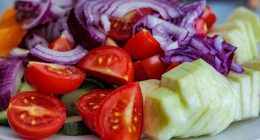
- Purple/Red (beetroot, tomato, red cabbage): Antioxidants, lycopene
Buy what is in season and priced below ₹40/kg. In winter, that means spinach, carrots, and cauliflower. In summer, it means bottle gourd, ridge gourd, and raw mango. Seasonal eating cuts vegetable costs by 40–60% compared to buying out-of-season produce at supermarkets.
Home-Cooked vs Eating Out vs Meal Kits: Quick Comparison
| Feature | Home-Cooked | Street/Dhaba | Meal Kit Services |
|---|---|---|---|
| Daily cost | ₹150–₹250 | ₹200–₹400 | ₹350–₹600 |
| Nutrition control | ✅ Full | ❌ Low | ⚠️ Partial |
| Time required | 45–60 min/day | 5 min | 20–30 min |
| India coverage | ✅ Universal | ✅ Universal | ❌ Major cities only |
| Hygiene control | ✅ High | ⚠️ Variable | ✅ High |
| Best for | Long-term health | Occasional | Busy professionals |
Home cooking wins on cost and nutrition. The only reason to pay more is time — and even then, batch cooking on weekends solves the time problem.
Best Low-Cost Healthy Foods in India 2026
India’s cheapest foods happen to be its most nutritious. Here are the top options ranked by nutrition-per-rupee value:
1. Moong Dal — At ₹100–₹120/kg, moong provides 24g protein per 100g dry weight. It digests easily, cooks in 20 minutes without soaking, and works in breakfast, lunch, and dinner formats. No other food gives this much protein for this low a price in India.
2. Ragi (Finger Millet) — ₹40–₹60/kg at most mandis. Ragi has more calcium than milk per gram, making it critical for vegetarians. Use it as porridge, roti, or dosa. Karnataka and Andhra Pradesh have the freshest supply at lowest prices.
3. Eggs — At ₹6–₹8 per egg, one egg delivers 6g protein, B12, Vitamin D, and choline. Two eggs at breakfast is the fastest, cheapest way to hit your morning protein target. SEBI-regulated poultry prices mean eggs are price-stable year-round.
4. Peanuts — ₹80–₹100/kg for raw peanuts. Roast them at home for zero added cost. A 30g handful (₹3) gives 8g protein, healthy monounsaturated fats, and Vitamin E. The most underrated snack in Indian nutrition.
5. Seasonal Leafy Greens — Spinach, methi, amaranth (cholai), and drumstick leaves range from ₹15–₹30 per bunch in season. These are your primary source of iron, folate, and fibre. Cooking in an iron kadai increases iron absorption further — a free nutrition hack.
For a curated breakdown of digital tools and trackers to support your health journey, check our AI tools and productivity resources.
How to Save Money While Eating Healthy in India
Smart shopping habits determine whether your healthy diet is sustainable long-term:
Buy from mandis, not malls. A kilogram of tomatoes at your local mandi costs ₹20–₹40. The same kilogram at a supermarket costs ₹60–₹80. That gap, across your weekly vegetable shopping, adds up to ₹500–₹800 per month in unnecessary spending.
Cook dal in batches. Pressure cook 500g of dal on Sunday — it keeps refrigerated for 3–4 days and forms the protein base for multiple meals. Batch cooking cuts active cooking time by 60% and reduces food waste.
Avoid packaged “healthy” foods. Granola bars (₹30–₹50 each), protein cookies, and vitamin waters are expensive, heavily marketed, and nutritionally mediocre. A banana (₹5) and a handful of peanuts (₹3) outperforms most ₹40 health snacks.
Use the ICMR Balanced Diet chart. The Indian Council of Medical Research publishes free, evidence-based dietary guidelines calibrated for Indian food systems. Download it from ICMR’s official nutrition resources — it is more useful than any paid nutrition app.
Track with free tools before buying supplements. Most Indian adults are not as deficient as supplement brands claim. Get a basic blood test (₹500–₹800 at any pathlab) before spending ₹2,000/month on supplements you may not need.
💡 Pro tip: If you are managing your health alongside side income goals, our Top 50 AI Tools to Make Money PDF includes tools specifically for Indian freelancers — covering productivity, planning, and content creation at ₹199. Efficient work means more time for cooking real meals instead of ordering in.
Frequently Asked Questions
Q: What is the cheapest healthy meal you can eat in India daily on a ₹200 budget?
A: Dal chawal with two seasonal vegetables and curd covers all major macros for under ₹200/day. Add one egg at breakfast and a banana as a snack. This combination meets ICMR’s minimum dietary standards for a sedentary adult without any supplements.
Q: Is eating healthy expensive in India in 2026?
A: No. A nutritionally complete home-cooked diet in India costs ₹150–₹300 per day per person — cheaper than eating at even budget dhabas regularly. The expense myth comes from comparing home cooking to imported or packaged “health” products, not to traditional Indian whole foods.
Q: Which Indian foods are highest in protein and cheapest to buy?
A: Moong dal (₹100–₹120/kg, 24g protein per 100g), eggs (₹6–₹8 each, 6g protein), peanuts (₹80–₹100/kg, 26g protein per 100g), and chana (₹70–₹90/kg) are India’s best protein sources by cost. All are available at any kirana store or local mandi.
Q: Do I need protein supplements if I eat a healthy Indian diet?
A: Most non-athletes do not need supplements. A diet with 2–3 servings of dal, 2 eggs, and a handful of peanuts daily provides 50–65g protein — adequate for adults under 75kg doing moderate activity, per ICMR 2024 dietary guidelines.
Q: How do I start a healthy diet in India without cooking elaborate meals?
A: Use the 3-dish rule: every meal needs one protein (dal or egg), one vegetable, and one grain (roti or rice). This structure takes 25–35 minutes to cook and covers your nutritional bases without complex recipes or special ingredients.
Conclusion
A low-cost healthy diet in India is not a compromise — it is a return to what Indian food culture already does well. Dal, millets, seasonal vegetables, curd, and eggs form a nutritional foundation that rivals any expensive Western diet plan. The key is structure: a weekly template, mandi shopping over supermarkets, and batch cooking on weekends.
Start with Step 1: write your 10-ingredient pantry list this weekend. Buy from your local mandi. Cook one batch of dal. That single action cuts your junk food spending and sets a pattern your body will thank you for in three weeks.
India’s nutrition crisis is real, but the solution is not expensive supplements or trendy superfoods. It is applying knowledge to the affordable ingredients already in your kirana store.
For more guides on healthy living, productivity, and tools to build income alongside your wellness goals, visit our complete health and lifestyle resource hub at 99infostore.com.
📥 Want to do more with your time and money in 2026? Get our Top 50 AI Tools to Make Money PDF — ₹199. Curated for Indian creators and freelancers who want to earn smarter, not just eat smarter.
⚡ Join our VIP Telegram for Daily 70–90% Loot Deals: Don’t miss instant Amazon & Flipkart price drops, verified tech discounts, and lightning sales! 👉 Join @offers99infostore Free on Telegram ↗



![Best Diwali Gift Ideas Under ₹1000 in India (2026): Useful Tech & Festive Hampers [Top 10 Picks] - 99InfoStore Festive Tech Gift Guide](https://99infostore.com/wp-content/uploads/2026/10/best-diwali-gifts-under-1000-india-2026-260x140.jpg)
![Dhanteras 2026 Silver Buying: Hallmarking Rules, Rates & Pure Coins Guide [With Calculator] - 99InfoStore Festive Finance Guide](https://99infostore.com/wp-content/uploads/2026/10/dhanteras-2026-silver-buying-guide-260x140.jpg)