

TL;DR: You can lose 2–4 kg of belly fat in 30 days by combining a calorie-controlled Indian diet with daily 30-minute exercise. Cut refined carbs, add protein at every meal, and walk 8,000 steps daily. No expensive supplements or gym membership required.
Belly fat is the number one health concern among urban Indians in 2026 — and for good reason. It is not just about how your kurta fits. Visceral fat around the abdomen directly increases your risk of Type 2 diabetes, heart disease, and fatty liver — three conditions now classified as epidemic-level in India. The good news: you do not need a foreign diet plan or ₹5,000-per-month meal kits. A structured, science-backed plan built around dal, sabzi, roti, and curd works — if you follow it consistently for 30 days.
This guide gives you the exact India diet plan, daily schedule, and exercise protocol to reduce belly fat in 30 days.
What Is Belly Fat and Why Is It Dangerous?
Belly fat is the accumulation of visceral and subcutaneous fat around the abdominal region, driven primarily by excess calorie intake, insulin resistance, chronic stress, and sedentary lifestyle.
There are two types. Subcutaneous fat sits just under your skin — the soft layer you can pinch. Visceral fat sits deeper, wrapping around your liver, pancreas, and intestines. Visceral fat is the dangerous kind. It secretes inflammatory chemicals that disrupt hormone signalling and raise your blood sugar. You can have a relatively normal body weight and still carry dangerous levels of visceral fat — a condition increasingly common among Indians due to genetic predisposition to central obesity.
The first step to losing belly fat is understanding that no single food or exercise “targets” it. Fat loss is systemic. When you create a calorie deficit and reduce insulin spikes consistently, your body burns fat — and the belly region, being the primary storage site for visceral fat in Indians, tends to show visible results within 3–4 weeks.
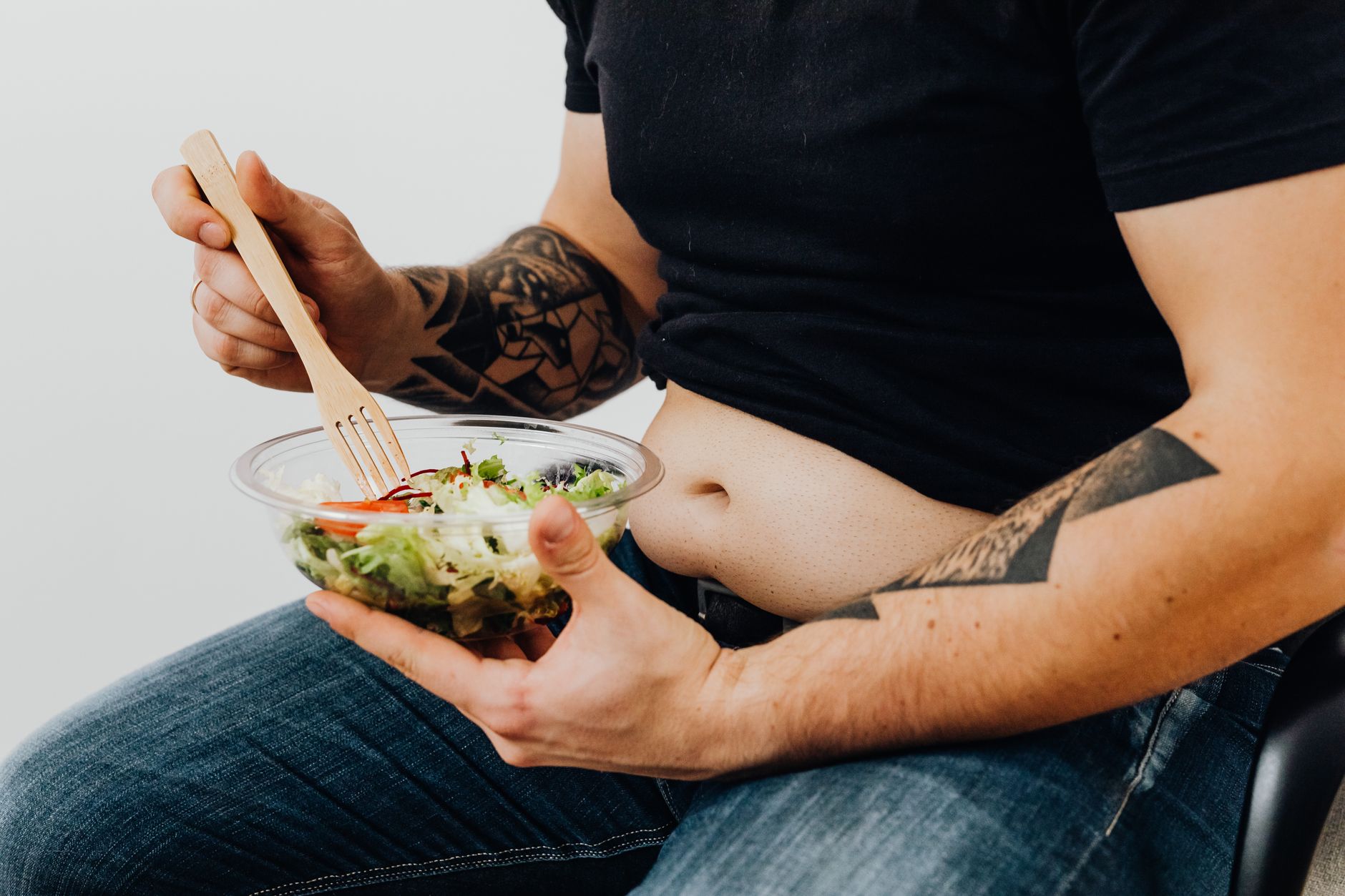
Why Belly Fat Is a Bigger Problem for Indians in 2026
India now has the second-largest population of Type 2 diabetics in the world, with 101 million people diagnosed as of 2023, per the Indian Council of Medical Research (ICMR). Central obesity — belly fat — is the primary driver.
📊 Key stat: Indians develop insulin resistance at a BMI of 23 kg/m², compared to 25–27 kg/m² in Western populations, according to a 2024 study published in The Lancet Regional Health — Southeast Asia.
This “thin-fat” phenomenon means millions of Indians appear lean but carry dangerous visceral fat. Urban lifestyle changes — office jobs, late-night screen time, ultra-processed snacks, sugary chai — have accelerated this trend dramatically. A 2026 IBEF health sector report notes that India’s metabolic disorder burden costs the healthcare system over ₹3.5 lakh crore annually.
The practical implication: Indian bodies need a stricter approach to refined carbohydrates and sugar than generic Western diet advice suggests. A 30-day plan calibrated for Indian eating patterns, food availability, and portion habits is significantly more effective than following a keto or paleo guide designed for Western diets.
For more guidance on building healthy habits alongside financial and professional goals, read our article on best AI tools for Indian freelancers to see how smart planning compounds across all areas of life.
The 30-Day India Belly Fat Diet Plan: Core Rules
Before the full meal plan, you need to understand the five non-negotiable rules that make it work. These are not suggestions — they are the mechanism of fat loss.
Rule 1: Create a 400–500 Calorie Daily Deficit
Do not slash calories dramatically. Eat 400–500 fewer calories than your maintenance level. For the average Indian adult (70 kg, moderately active), this means eating approximately 1,600–1,800 kcal/day. Use a free app like HealthifyMe (built in India) to track for the first two weeks until you develop intuition.
Rule 2: Cut Refined Carbs and Added Sugar
White rice (more than one small katori), maida-based bread, biscuits, namkeen, and sugar in tea are the top four belly fat contributors in the Indian diet. Replace them — not eliminate carbs entirely. Switch to brown rice or millets, one roti less per meal, and black coffee or green tea instead of sweetened chai.
Rule 3: Eat Protein at Every Meal
Most Indian diets are protein-deficient. Target 1.2–1.4 grams of protein per kilogram of body weight. A 70 kg person needs 84–98 grams per day. Practical sources: two eggs (12g), one cup moong dal (9g), 100g paneer (18g), one cup Greek yoghurt (17g), 100g chicken (27g).
Rule 4: Do Not Skip Breakfast
Skipping breakfast spikes cortisol (your stress hormone), which directly increases visceral fat storage. Eat within 60 minutes of waking. A two-egg omelette with one multigrain roti takes eight minutes to make and keeps you full for four hours.
Rule 5: Sleep 7–8 Hours
Sleep deprivation increases ghrelin (hunger hormone) by 28% and reduces leptin (fullness hormone), per NIH research. Poor sleep is one of the most underrated belly fat causes. No diet plan overrides a 5-hour sleep schedule.
Sample 7-Day Belly Fat Diet Plan for Indians
This plan is repeatable across all four weeks. Adjust portion sizes based on your hunger — the principle matters more than exact quantities.
Day 1–7 Meal Template:
Early Morning (6:30 AM): One glass warm water with half lemon juice. Optional: one teaspoon jeera soaked overnight in water.
Breakfast (7:30–8:00 AM): Two-egg vegetable omelette OR moong dal chilla (two pieces) + one small cup curd. No sugar, no maida.
Mid-Morning Snack (10:30 AM): One handful mixed nuts (almonds + walnuts — 30g total) + one cup green tea.
Lunch (1:00 PM): One cup brown rice OR two jowar/bajra rotis + one cup dal + one cup sabzi (any vegetable) + one small bowl salad (cucumber, tomato, onion). No papad, pickle limited to one teaspoon.
Evening Snack (4:30 PM): Roasted chana (one small katori) OR one boiled egg + black coffee or plain buttermilk (chaach, no salt or sugar).
Dinner (7:00–7:30 PM): Two wheat rotis + one cup sabzi + one cup moong dal or chicken curry. No rice at dinner. No eating after 8:30 PM.
📊 Key stat: Eating dinner before 8 PM and maintaining a 12-hour overnight fast reduces fasting insulin levels by 20% in 4 weeks, according to a 2023 study in Nutrition & Metabolism.
How to Exercise for Belly Fat Loss in 30 Days
Diet does 70% of the work. Exercise does the remaining 30% — but it is a critical 30% that accelerates results and prevents muscle loss.
Step 1: Walk 8,000 Steps Daily
This is non-negotiable and costs nothing. Set a step goal on any free app (Google Fit, Samsung Health). Walk after lunch for 15 minutes and after dinner for 15 minutes. This alone burns 250–350 extra calories daily for a 70 kg person.
Step 2: Add 3 Strength Sessions Per Week
You do not need a gym. Bodyweight exercises done at home — squats, push-ups, lunges, planks — build lean muscle that raises your resting metabolic rate. Muscle tissue burns 3x more calories at rest than fat tissue. Do 3 rounds of 10 squats + 10 push-ups + 30-second plank, three times per week. Total time: 20 minutes.
Step 3: Add 2 HIIT Sessions Per Week
High-Intensity Interval Training for 20 minutes burns more fat in less time than 45 minutes of steady jogging. Structure: 40 seconds high effort (jumping jacks, burpees, mountain climbers) followed by 20 seconds rest, repeated for 8 rounds. YouTube channels like Cult.fit offer free Hindi-language HIIT sessions.

What to Eat vs. What to Avoid: Quick Comparison
| Food Category | Eat More | Avoid or Limit |
|---|---|---|
| Carbs | Millets, brown rice, oats | White rice (large portions), maida, biscuits |
| Protein | Eggs, dal, paneer, chicken | Processed meat, packaged protein bars |
| Fats | Ghee (1 tsp/day), nuts, coconut oil | Vanaspati, dalda, refined seed oils |
| Drinks | Water, green tea, chaach | Sweetened chai, cola, packaged juice, alcohol |
| Snacks | Roasted chana, fruits, makhana | Namkeen, chips, chakli, cookies |
| Dairy | Curd, buttermilk, paneer (limited) | Flavoured yoghurt, ice cream, packaged lassi |
30-Day Progress Tracker: What to Expect Each Week
Week 1 (Days 1–7): You will lose 0.8–1.5 kg. Most of this is water weight from reduced sodium and refined carbs. Your bloating will reduce noticeably. Energy may dip slightly by Day 3 — this is normal as your body adjusts.
Week 2 (Days 8–14): Fat loss begins in earnest. Expect 0.5–0.7 kg genuine fat loss this week. Your waist measurement should decrease by 1–2 cm. Hunger becomes more manageable as protein intake stabilises blood sugar.
Week 3 (Days 15–21): This is the hardest week. Progress may feel slow — weight loss plateaus briefly as metabolism adjusts. Do NOT reduce calories further. Instead, add one extra HIIT session and ensure you are sleeping 7+ hours. Stick to the plan.
Week 4 (Days 22–30): Results become visible. Most people see a 2–4 cm reduction in waist circumference and 2–4 kg total weight loss over the full 30 days. Your fasting blood sugar will improve if you were pre-diabetic. Clothes will fit differently.
📊 Key stat: A 2024 clinical review in the Journal of Obesity found that Indian adults following a high-protein, moderate-carb diet lost 2.3x more abdominal fat over 30 days compared to those following a standard low-fat diet.
For deeper reading on metabolic health and digital wellness tools available to Indians, see ICMR’s official dietary guidelines for Indians and IBEF’s health sector overview.
Common Mistakes That Prevent Belly Fat Loss in India
Eating too much fruit: Fruits are healthy but contain fructose. Two to three servings per day maximum. Avoid mangoes, grapes, and bananas in large quantities during the first 30 days.
Overtrusting “diet” labelled products: Most packaged “diet” biscuits, “sugar-free” namkeen, and “low-fat” yoghurt sold in Indian supermarkets are high in refined starch or artificial sweeteners that spike insulin. Read ingredient labels.
Doing only cardio: Running daily without strength training causes muscle loss alongside fat loss, slowing your metabolism. Always combine both.
Not managing stress: Cortisol from chronic work stress directly deposits fat around the abdomen. Even 10 minutes of pranayama (anulom vilom or bhramari) daily measurably lowers cortisol within two weeks.
For additional resources on staying productive and financially fit while working on your health goals, explore our guide on how to start investing in mutual funds — because financial health and physical health build on each other.
Frequently Asked Questions
Q: How much belly fat can an Indian person realistically lose in 30 days?
A: A realistic target is 2–4 kg of total weight loss and 2–4 cm reduction in waist circumference over 30 days. Fat loss rate depends on starting weight, consistency, and sleep quality. Heavier individuals typically see faster initial results.
Q: Can I lose belly fat without going to a gym in India?
A: Yes. Walking 8,000 steps daily, doing home bodyweight exercises three times per week, and following a calorie-controlled Indian diet is sufficient to lose belly fat in 30 days. No gym membership or equipment is required.
Q: Is roti or rice better for losing belly fat as an Indian?
A: Two jowar or bajra rotis are better than one katori white rice for belly fat loss — they have higher fibre and a lower glycaemic index. If eating rice, limit to half a katori and choose brown rice where available.
Q: Does drinking jeera water actually help reduce belly fat?
A: Jeera (cumin) water has mild digestive and anti-inflammatory properties. It reduces bloating and may slightly improve insulin sensitivity. It will not burn fat independently but is a useful addition to a structured diet and exercise plan.
Q: What is the best Indian breakfast for losing belly fat in 2026?
A: Two-egg vegetable omelette with one multigrain roti is the top choice — high protein, moderate carbs, sustained energy for 4 hours. Alternatives: moong dal chilla, besan cheela with curd, or oats upma with vegetables. Avoid poha with potato or sugar-laden paratha.
Conclusion
Losing belly fat in 30 days on an Indian diet is entirely achievable — but only if you treat it as a system, not a crash diet. The plan works because it is built on real Indian foods, realistic calorie targets, and a combination of strength training and daily walking. Follow the five core rules, execute the 7-day meal template repeatedly, track your waist measurement weekly (not just weight), and prioritise sleep.
The 30-day mark is not the end — it is proof that the system works for your body. Most people who complete this plan continue for 60–90 days and reach their full goal. Start Day 1 today. Make the omelette. Go for the walk. The results follow the actions — not the other way around.
Meanwhile, if you want to build income streams alongside your health transformation in 2026, check out our top budget smartphones in India guide for productivity tools and read:
📥 Want to make money while building your healthy lifestyle? Get our Top 50 AI Tools to Make Money (PDF) — ₹199 to ₹499. Curated for Indian creators who want to earn smarter, not just work harder.

` (or direct lancet link)](https://99infostore.com/wp-content/uploads/2026/08/best-cgm-metabolic-health-india-featured-150x150.jpg)




1 comment
📥 Get our “Top 50 AI Tools to Make Money (PDF)” — ₹199 – ₹499 at https://99infostore.com/product/top-50-ai-tools-pdf