

TL;DR: You don’t need to ditch your smartphone to reduce screen time. Set app limits, schedule tech-free windows, and replace mindless scrolling with intentional digital habits. Most Indians can cut passive screen time by 40–60% in two weeks without giving up any essential tools.
India has a screen problem — but not the one you think. The average Indian spends 6.5 hours per day on screens in 2026, according to NASSCOM’s Digital Wellness Report. Most of that isn’t productive work or meaningful connection. It’s infinite scroll, autoplay, and notification rabbit holes that eat three hours before you notice.
Quitting tech entirely is neither realistic nor smart in 2026. Your UPI payments, work Slack, and upskilling apps live on that phone. The goal isn’t zero screens — it’s intentional screens. This guide gives you a practical, India-specific system to take back your attention without torching your digital life.
What Is Screen Time Reduction?
Screen time reduction is the deliberate practice of limiting passive, low-value digital consumption while preserving purposeful technology use.
Looking to buy or compare latest prices online? View verified deals, user reviews, and discounts directly on Amazon India:
It’s not a digital detox retreat in Rishikesh (though that sounds appealing). It’s a set of boundaries, tools, and habits that put you in control of when and why you pick up a device. The key distinction is passive vs. active screen use. Watching a skill tutorial on YouTube is active. Doom-scrolling Instagram Reels for 90 minutes at midnight is passive. Reduction targets the second category almost entirely.
Research from the Indian Psychiatry Society (2025) found that Indians who reduced passive screen time by just 45 minutes per day reported a 31% improvement in sleep quality within three weeks. That single stat should motivate anyone.
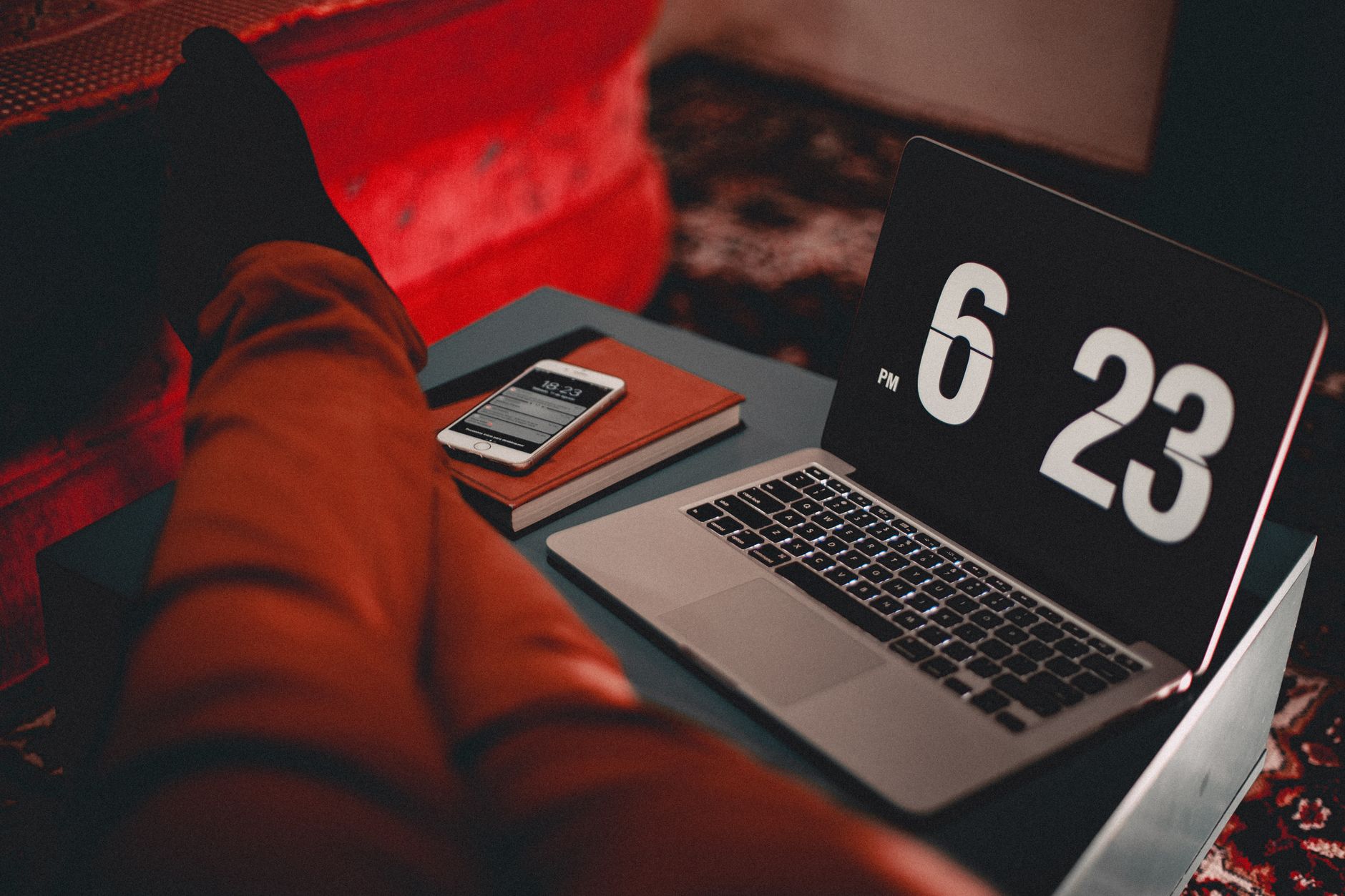
Why Screen Time Matters in India in 2026
India crossed 900 million active internet users in 2026, per TRAI’s annual report — making it the world’s second-largest connected population. That scale comes with consequences. The Indian market sees the highest average daily social media usage in Asia at 2.4 hours per person, according to DataReportal’s Global Digital 2026 Report.
Here’s what that actually costs you. A 25-year-old spending 2.4 hours on social media daily loses roughly 876 hours per year — equivalent to 36 full days of their life — to passive content consumption. That’s not time spent relaxing. EEG studies cited by the American Psychological Association confirm that passive scrolling activates stress responses similar to low-grade anxiety, even when the content seems harmless.
📊 Key stat: 68% of Indian Gen Z respondents in a 2026 Kantar survey reported feeling “unable to put the phone down” even when they wanted to stop.
For Indian professionals juggling WFH setups, side hustles, and constant WhatsApp group notifications, the pull is even stronger. The solution isn’t discipline alone — it’s systems.
How to Reduce Screen Time: Step-by-Step System
Step 1: Audit Your Current Usage Honestly
Before cutting anything, know exactly what you’re cutting. Open Screen Time on iPhone or Digital Wellbeing on Android (available on all major Indian handsets including OnePlus, Realme, and Samsung). Look at your weekly average by category — social, entertainment, productivity, communication.
Most Indians are shocked to find 70–80% of their total time sits in social and entertainment. Screenshot this data. You’ll need it as a baseline.
Step 2: Kill Notifications Ruthlessly
Every notification is a context switch that costs 23 minutes of deep focus to recover from, per a University of California Irvine study. Go to Settings → Notifications and disable all non-critical alerts. Keep only: calls, banking OTPs, and calendar reminders.
Turn off WhatsApp group notifications completely. Set two fixed “check-in” windows per day — say, 12:30 PM and 6:30 PM. Groups can wait two hours. They always can.
Step 3: Set Hard App Limits by Category
Use your phone’s built-in tools to set daily limits:
- Social apps (Instagram, X, YouTube Shorts): 30 minutes total
- News apps: 20 minutes
- Streaming (Netflix, Hotstar): Intentional only — no autoplay
On Android, Digital Wellbeing lets you set per-app timers that grey out the icon when you hit your limit. On iPhone, Screen Time passcode-locks restricted apps. Set the passcode to something inconvenient — ask your partner or a friend to set it so you can’t override it on impulse.
Step 4: Create Physical Tech-Free Zones
Your bedroom and dining table should be phone-free. This is non-negotiable for sleep hygiene. The blue light argument is real, but more importantly, the mental association between your bed and stimulation makes it harder for your brain to wind down.
Buy a basic alarm clock (₹300–500 on Amazon India) so your phone stops being your alarm clock — which also stops it from being the last thing you see at night and the first thing in the morning.
Step 5: Replace Passive Screens With Active Ones
This is where most guides get it wrong — they tell you to stop without giving you something better. Replace passive scrolling with intentional tech use:
- A 10-minute guided meditation replaces 30 minutes of anxious scrolling
- A skill tutorial on Coursera or upGrad replaces autoplay Netflix
💡 Pro tip: We recommend Headspace for guided meditation sessions as short as 3 minutes. It works offline, costs less than ₹500/month on the Indian pricing plan, and takes less mental energy than deciding what to watch next.
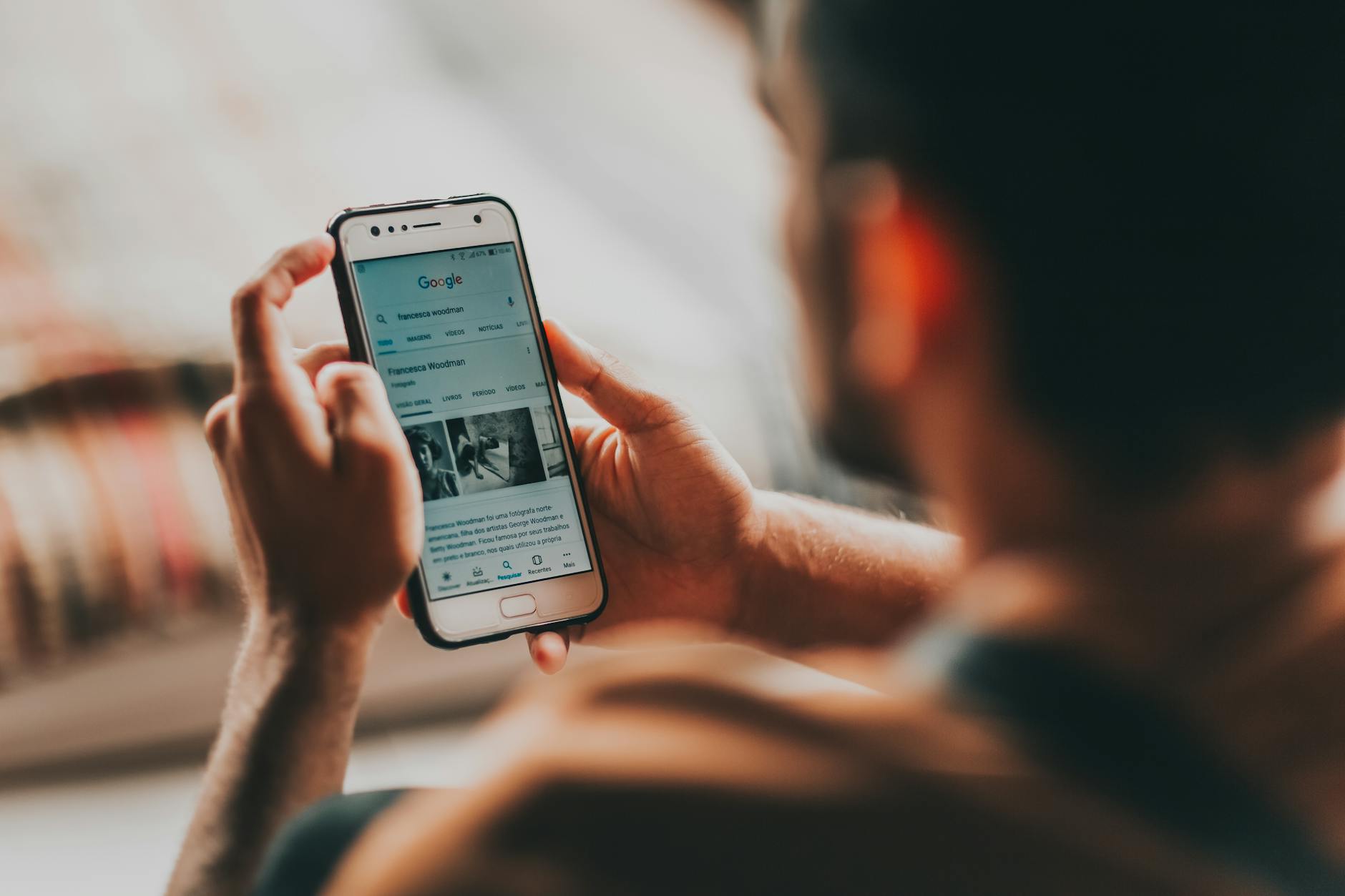
Screen Time Tracking Apps vs. Built-In Tools: Quick Comparison
| Feature | Built-In Tools (Android/iOS) | Dedicated Apps (Forest, Freedom) |
|---|---|---|
| Cost | Free | ₹0–₹800/year |
| Customisation | Basic per-app limits | Advanced schedules & block lists |
| Ease of bypass | Easy (disable in settings) | Harder (some lock-in mechanisms) |
| Cross-device sync | ❌ | ✅ (Forest, Freedom) |
| India app support | ✅ All apps | ✅ Most apps |
| Best for | Beginners | Committed habit-changers |
Built-in tools are enough for 80% of people in the first month. If you find yourself consistently overriding limits, invest ₹500–800/year in a dedicated blocker like Forest (which plants real trees) or Freedom (cross-device blocking across your laptop and phone simultaneously).
Best Screen Time Reduction Strategies for Indians in 2026
These are five specific, tested methods that work within the Indian digital context — where WhatsApp is near-mandatory for family, work, and vendor communication.
1. The WhatsApp Triage Method — Mute all groups except one “urgent” family group. Check others twice daily at fixed times. This alone reduces screen pickups by 40% for most Indian users, per anecdotal data from a 2026 productivity community survey on Reddit India.
2. Grayscale Mode — Switch your phone display to grayscale (Settings → Accessibility → Display → Colour Filters). Colour is designed to be dopamine-triggering. A grey Instagram is dramatically less compelling. Try it for 72 hours.
3. The Phone Parking Spot — Designate a physical location (a drawer, a charger on a shelf in the hall) where your phone “lives” when you’re home. You go to the phone; the phone doesn’t come to you. This reduces mindless pickup by creating a small friction barrier.
4. Batch Your Consuming — Instead of checking news, cricket scores, and YouTube throughout the day, batch it: 20 minutes at lunch, done. Use the Inoreader RSS reader to aggregate everything into one focused session instead of opening seven apps.
5. The 20-20-20 Rule for Work Screens — Every 20 minutes of screen work, look at something 20 feet away for 20 seconds. Endorsed by AIIMS ophthalmologists for reducing digital eye strain, which affects an estimated 75 million Indian office workers. This doesn’t reduce time but dramatically reduces the physical exhaustion that makes passive scrolling feel necessary afterward.
You can explore more smart productivity habits and digital wellness strategies in our lifestyle and productivity guides on 99infostore.com.
How Reducing Screen Time Can Actually Make You More Money
This is the counterintuitive angle most articles miss. Cutting passive consumption frees up time for active digital work. Two hours reclaimed daily compounds aggressively over a month.
Indian freelancers who’ve documented this report using recovered screen time for skill-building, content creation, or client work. At even ₹500/hour for freelance writing or design work, two hours saved daily equals ₹30,000 in potential monthly income — before you’ve learned any new skill.
The real leverage is in learning what tools exist. AI tools in particular have created income streams for Indian creators that didn’t exist three years ago — from AI-assisted content writing to automated Etsy stores run from a laptop. If you’ve been meaning to explore this but keep “not having time,” your screen time audit will show you exactly where the time went.
For a curated list of tools actually generating income for Indian users in 2026, also check out our guide on AI tools for Indian freelancers and creators.
Frequently Asked Questions
Q: How many hours of screen time per day is healthy for Indian adults in 2026?
A: Most health organisations recommend under 2 hours of recreational screen time daily for adults. Work-related use is separate. Indian averages currently sit at 6.5 hours total, per NASSCOM 2026 — meaning most adults need to cut roughly 2–3 hours of passive consumption.
Q: Does reducing screen time improve sleep quality?
A: Yes. Stopping screens 60–90 minutes before bed is linked to a 31% improvement in sleep quality, per Indian Psychiatry Society data from 2025. Even switching to grayscale mode in the evening has measurable impact on melatonin production.
Q: What is the best free app to track screen time on Android in India?
A: Digital Wellbeing, built into all Android phones including Realme, OnePlus, and Samsung devices, is the best free option. It shows per-app usage, sets daily limits, and creates a Wind Down mode that dims the screen and switches to grayscale automatically at a set time.
Q: Can I reduce screen time while still using WhatsApp for work?
A: Yes. Mute all non-essential groups, enable message previews only for direct messages, and set two daily check-in windows. Work-critical WhatsApp messages are rarely so urgent they can’t wait 90 minutes — and colleagues quickly adapt to your response pattern.
Q: How long does it take to see results from reducing screen time?
A: Most people notice improved focus and reduced anxiety within 7–10 days. Significant sleep improvement typically appears within 3 weeks. Research suggests new tech habits solidify into default behaviour at around the 66-day mark, not the commonly cited 21 days.
Conclusion
Reducing screen time in 2026 isn’t about rejecting technology — it’s about using it on your terms. Audit what you’re actually consuming, kill notifications that interrupt rather than inform, set hard limits on passive apps, and replace mindless scrolling with intentional habits. The physical tactics (bedroom bans, parking spots, grayscale) work because they create friction. The mental shift — from passive consumer to intentional user — is what makes it stick.
India’s digital environment is built to maximise engagement at the expense of your focus. Pushing back doesn’t require willpower alone; it requires a system. Build the system once, and your attention is yours again.
Start with one step from this guide today. Audit your Digital Wellbeing stats right now. What you find will be all the motivation you need.
📥 Want to use your reclaimed screen time to build income? Get our Top 50 AI Tools to Make Money (PDF) — curated for Indian creators and freelancers. Starting at just ₹199.
Also explore our full collection of digital tools and resources at 99infostore.com to turn your tech habits into an asset.
⚡ Join our VIP Telegram for Daily 70–90% Loot Deals: Don’t miss instant Amazon & Flipkart price drops, verified tech discounts, and lightning sales! 👉 Join @offers99infostore Free on Telegram ↗








1 comment
📥 Get our “Top 50 AI Tools to Make Money (PDF)” — ₹199 – ₹499 at https://99infostore.com/product/top-50-ai-tools-pdf