

TL;DR: Most Indian professionals use AI tools at 20% of their capacity because they write weak prompts. These 10 proven prompt engineering tricks will immediately improve your AI outputs — saving hours per week and producing work that rivals expensive agencies.
India crossed 50 million active AI tool users in 2026, per NASSCOM’s Q1 Digital Report. But here’s the uncomfortable truth: the majority are typing one-line questions and getting mediocre answers back. The gap between a ₹0 AI output and a ₹10,000 agency deliverable is not the tool — it’s the prompt.
Whether you’re a startup founder in Bengaluru, a content writer in Pune, or a finance analyst in Mumbai, mastering AI prompting is now a core professional skill. These 10 tricks are actionable, India-tested, and ready to use today.
What Is AI Prompt Engineering?
AI prompt engineering is the practice of structuring your text inputs to AI models so they return accurate, useful, and specific outputs rather than generic responses.
Looking to buy or compare latest prices online? View verified deals, user reviews, and discounts directly on Amazon India:
Think of it as the difference between telling a junior employee “write something about GST” versus “write a 300-word explainer on GST input tax credit for a first-time MSME owner, using simple Hindi-English (Hinglish) where needed.” The second instruction gets professional-grade results. Prompt engineering is that second instruction — applied systematically across every AI interaction.
In 2026, Indian companies that trained their teams on prompt engineering reported a 40% reduction in AI-assisted task time, according to an IBEF productivity study. The skill has moved from “nice to have” to interview-level requirement at firms like Infosys, Wipro, and homegrown SaaS startups.
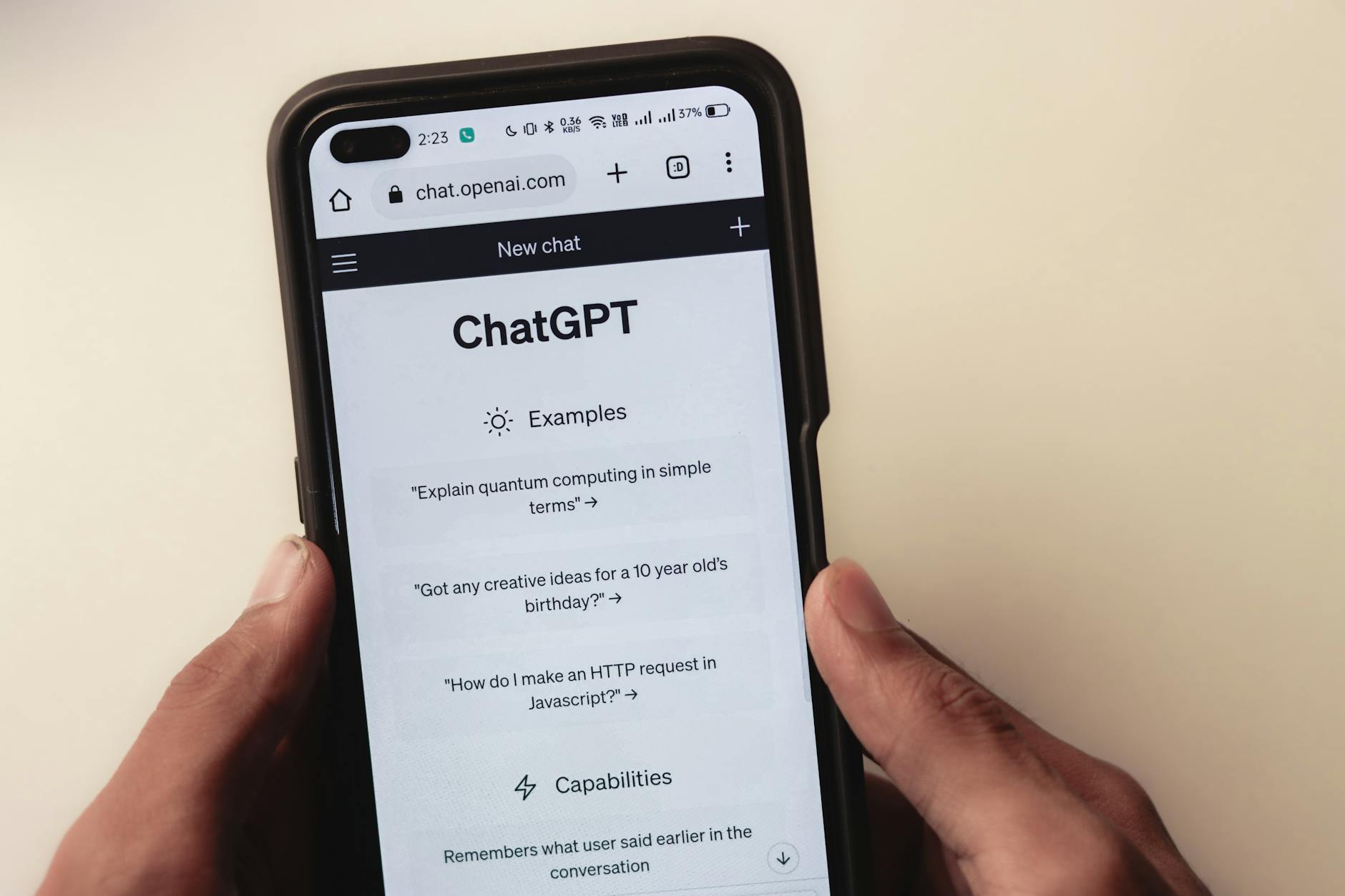
Why AI Prompting Matters for Indian Professionals in 2026
India’s AI market is projected to reach ₹3.7 lakh crore by 2027, per NASSCOM’s India AI Report 2026. That money flows to those who use AI effectively — not those who just have access to it.
📊 Key stat: 78% of Indian knowledge workers use at least one AI tool daily in 2026, but only 22% have received formal prompting training — NASSCOM Digital Skills Report, 2026.
The skills gap is your opportunity. A content marketer who prompts well produces five times the output of someone who doesn’t. A CA who knows how to prompt can automate client report summaries in minutes instead of hours. Across sectors — legal, tech, finance, education, healthcare — better prompts mean better output, faster delivery, and higher perceived value.
For freelancers and independent professionals exploring AI tools, prompt engineering is the fastest-ROI skill you can add to your toolkit right now.
10 AI Prompt Tricks That Actually Work
Trick 1: Assign a Role Before the Task
Start every prompt with “You are a [specific expert].” This single change improves output quality dramatically.
Weak: “Explain financial planning.”
Strong: “You are a SEBI-registered financial planner advising a 28-year-old salaried professional in Chennai earning ₹8 LPA. Explain a monthly SIP strategy.”
The role-setting primes the AI to draw on domain-specific knowledge and adjust tone, terminology, and recommendations accordingly.
Trick 2: Use the FORMAT Command
Tell the AI exactly how to structure the output. Indian professionals often get walls of text when they need scannable formats.
Add this to any prompt: “Format the output as: [bullet points / numbered list / table / JSON / email / WhatsApp message].”
For example: “Summarise this meeting transcript as 5 bullet points, each under 20 words, suitable for sharing on WhatsApp with my team.”
Trick 3: Add Context About Your Audience
AI outputs improve massively when you specify who will read or hear the result. This is especially powerful in India’s multilingual, multi-literacy context.
Example: “Rewrite this product description for a tier-2 city audience in Maharashtra. Use simple English. Avoid jargon. Make it relatable to someone running a kirana store.”
The AI shifts vocabulary, examples, and even sentence length when it knows the reader.
Trick 4: Set the Tone Explicitly
“Professional,” “friendly,” “urgent,” “conversational” — these words change everything. Most users forget this and get AI’s default tone, which is often bland and Western.
Strong prompt addition: “Tone: Warm, direct, and confident. Like a senior Indian manager addressing their team before a product launch.”
💡 Pro tip: We use Writesonic for AI-assisted copywriting at 99infostore. It allows you to save custom tone presets so you don’t have to repeat tone instructions in every prompt — a genuine time saver for Indian content teams producing high volumes.
Trick 5: Use the “Before / After” Prompt Structure
When editing or rewriting, show AI what you already have and what you want it to become.
Template:
“Here is my current draft: [paste text]
Rewrite it to be: [shorter / more persuasive / formal / suitable for LinkedIn]
Keep these points unchanged: [list specific points]”
This structure prevents the AI from discarding good work while fixing what needs fixing.
Trick 6: Ask for Multiple Versions
Never settle for one AI output. Ask for variations and choose.
“Give me 3 versions of this subject line. Version 1: formal, Version 2: curious, Version 3: urgent. All under 60 characters.”
This is particularly useful for email campaigns, LinkedIn posts, and pitch decks — areas where Indian professionals frequently use AI but rarely iterate.
Trick 7: Chain Your Prompts
One long, complex prompt often overwhelms AI. Break big tasks into a chain of smaller prompts — each building on the last.
Chain example for a market research report:
- “List the top 5 competitors of Zerodha in the Indian discount brokerage space in 2026.”
- “Now compare them across these 4 features: fee structure, mobile app rating, educational content, customer support.”
- “Now write a 200-word executive summary of this comparison for a board presentation.”
Each step refines the output. The final result is far sharper than any single prompt could produce.

Trick 8: Specify What NOT to Include
Negative constraints are underused. They save enormous editing time.
“Write a product description for this Bluetooth speaker. Do NOT mention competitor brands. Do NOT use the words ‘premium’ or ‘seamless.’ Keep it under 100 words.”
Negative instructions are especially useful when writing for regulated industries — finance, healthcare, legal — where certain claims or language can cause compliance issues under SEBI or MEITY guidelines.
Trick 9: Use the STAR Framework for Business Prompts
Situation → Task → Action → Result. This borrowed framework from HR interviews works brilliantly for AI prompts in a business context.
Example: “Situation: I run a 15-person digital marketing agency in Hyderabad. Task: Write a LinkedIn post announcing we crossed ₹1 crore in annual revenue. Action: Make it celebratory but not boastful. Result: The post should attract both potential clients and job applicants.”
The STAR structure hands the AI everything it needs to produce boardroom-ready copy in one shot.
Trick 10: End Every Prompt with “Ask Me If Anything Is Unclear”
This one trick transforms AI from a one-shot tool into a collaborator.
When you add “Before you begin, ask me if any details are unclear,” the AI will flag ambiguities rather than assume and go wrong. For complex tasks — legal drafts, financial models, technical documentation — catching a bad assumption before the output saves significant rework time.
This is how experienced prompt engineers at Indian IT majors like TCS and HCL are now training their junior teams to interact with AI tools.
AI Prompting vs. Basic AI Use: Why the Gap Matters
| Feature | Skilled Prompt User | Basic AI User |
|---|---|---|
| Output quality | Publication-ready | Needs heavy editing |
| Time per task | 10–20 minutes | 45–60 minutes |
| Cost equivalent | ₹2,000–5,000 agency value | ₹200 intern-level |
| Consistency | High (using saved prompts) | Low |
| India context | Strong (role + audience specified) | Generic / Western |
| Error rate | Low (negative constraints used) | High |
| AI tool cost | Same ₹1,500–2,000/month | Same ₹1,500–2,000/month |
The tool cost is identical. The skill gap creates the output difference.
Best AI Tools for Indian Professionals to Practice Prompting in 2026
1. ChatGPT (OpenAI) — ₹1,700/month (GPT-4o). The most widely tested tool for prompt engineering practice. The best sandbox for all 10 tricks above.
2. Google Gemini Advanced — ₹1,950/month. Deeply integrated with Google Workspace, which most Indian corporate teams already use. Excellent for chained prompts on Docs and Sheets.
3. Notion AI — Included with Notion Plus at ₹660/month. Ideal for Indian freelancers and startup teams who want prompting built into their project management workflow. You can save prompt templates alongside your actual work.
4. Writesonic — Plans from ₹1,500/month. India-friendly pricing with strong SEO and content marketing output. Good for testing Tricks 4, 6, and 8 on marketing copy.
5. Claude (Anthropic) — ₹1,700/month. Handles longer documents and complex chain prompts better than most tools. Particularly useful for Indian legal and compliance professionals working with lengthy SEBI or MCA filings.
For a deeper list of tools and their India-specific use cases, see our complete guide to AI tools for Indian freelancers.
How to Make Money With Better AI Prompting in India
Indian professionals are monetising prompt engineering skills in several ways:
Prompt consulting — Charging ₹5,000–25,000 per session to train corporate teams. Demand at mid-size Indian firms grew 3x between 2025 and 2026, per LinkedIn India Skills Report.
Productised AI services — Offering AI-written content packages, automated social media, or AI-generated pitch decks as a service. Better prompts = faster delivery = higher margins.
Selling prompt packs — Curated prompt libraries for specific Indian niches (CA firms, real estate agents, Ayurveda brands) sell on Instamojo and Gumroad for ₹299–999.
Freelance platforms — Prompt engineering now appears as a skill filter on Toptal, Upwork, and Kaam.com. Indian freelancers with verifiable prompt skills charge 30–50% more per project than those without.
💡 Pro tip: Pair strong prompting with ElevenLabs to turn AI-written scripts into professional voiceovers — no recording studio needed. Indian content creators are building full podcast episodes and explainer videos this way, charging clients ₹8,000–20,000 per deliverable.
For a detailed breakdown of which AI tools generate real income for Indian users, check out our guide to making money with AI in India.
Frequently Asked Questions
Q: What is the best AI prompt trick for Indian content writers in 2026?
A: Assign a specific role first (“You are a content strategist for Indian D2C brands”) and specify your target audience’s city tier and language comfort level. This single combination improves output relevance by removing generic, Western-default assumptions from your AI results.
Q: Do I need to learn coding to master AI prompt engineering?
A: No coding knowledge is required. Prompt engineering is entirely language-based — you write structured instructions in plain English or Hinglish. The 10 tricks in this article require nothing more than a paid AI subscription and 30 minutes of daily practice.
Q: Which AI tool is best for prompt engineering practice in India?
A: ChatGPT (₹1,700/month) is the most widely used starting point. For workspace integration, Notion AI at ₹660/month is excellent. For content marketing specifically, Writesonic offers India-friendly pricing and strong output for marketing prompts.
Q: How long does it take to get good at AI prompting?
A: Most Indian professionals see measurable improvement within 2–3 weeks of deliberate daily practice — roughly 30 minutes per day. Full proficiency, where you consistently produce near-final outputs on the first try, typically takes 60–90 days.
Q: Can AI prompting skills get me a job in India’s tech industry in 2026?
A: Yes. Prompt engineering is now listed as a required or preferred skill at over 4,200 Indian companies on LinkedIn as of Q1 2026. Entry-level AI prompt roles at Indian startups and IT firms pay ₹4–8 LPA, with senior roles at ₹12–20 LPA.
Conclusion
AI prompting is the professional skill that separates people who complain about AI giving generic results from those quietly using it to outperform their peers. The 10 tricks in this guide — from role-setting and format commands to STAR structure and negative constraints — cost nothing to implement and start working the first time you use them.
India’s AI adoption is accelerating, but training is lagging. That gap is your career advantage. Pick three tricks from this list, apply them today in whatever AI tool you already use, and compare the output quality against what you were getting before. The difference will be immediate and obvious.
For a ready-made shortcut, grab our curated resource that maps the right AI tools to the right income streams — built specifically for the Indian market.
📥 Want the full list? Get our Top 50 AI Tools to Make Money (PDF) — starting at ₹199. Every tool vetted and categorised for Indian professionals, freelancers, and creators.
⚡ Join our VIP Telegram for Daily 70–90% Loot Deals: Don’t miss instant Amazon & Flipkart price drops, verified tech discounts, and lightning sales! 👉 Join @offers99infostore Free on Telegram ↗








1 comment
📥 Get our “Top 50 AI Tools to Make Money (PDF)” — ₹199 – ₹499 at https://99infostore.com/product/top-50-ai-tools-pdf