
TL;DR: A balanced, nutritious diet in India doesn’t require expensive superfoods or supplements. By planning meals around local staples like dal, rice, seasonal vegetables, and millets, most Indian adults can eat healthily for ₹100–₹150 per day. This guide shows you exactly how to build that plan.
Starting a healthy diet feels expensive — protein powders, imported quinoa, “superfood” salads. But India’s traditional food system is one of the most nutritionally complete and affordable in the world. The problem isn’t access to good food. It’s the lack of a structured, costed-out plan most people can actually follow.
India’s obesity rate crossed 40% in urban adults in 2026, per the Indian Council of Medical Research (ICMR), while lifestyle diseases like type-2 diabetes now affect over 101 million Indians. Eating better isn’t a luxury — it’s urgent. This guide gives you a practical, low-cost diet plan built for Indian budgets, Indian kitchens, and Indian schedules.
What Is a Low-Cost Diet Plan?
A low-cost diet plan is a structured eating approach that meets your daily nutritional requirements — proteins, carbohydrates, healthy fats, vitamins, and minerals — without exceeding a defined daily food budget.
Looking to buy or compare latest prices online? View verified deals, user reviews, and discounts directly on Amazon India:
In the Indian context, this means spending ₹100–₹150 per day (roughly ₹3,000–₹4,500/month) on balanced meals built around local, seasonal, and minimally processed ingredients. It is NOT about eating less. It is about eating smarter using ingredients that already exist in Indian households — dal, sabzi, roti, curd, eggs, and millets.
A well-designed low-cost diet plan for India prioritises high-protein legumes, fibre-rich whole grains, and seasonal produce over packaged or imported health foods. Studies from the National Institute of Nutrition (NIN), Hyderabad, show that traditional Indian diets — when properly balanced — meet WHO nutritional guidelines at a fraction of the cost of Western-style “healthy” diets.
Why a Budget Diet Plan Matters in India in 2026
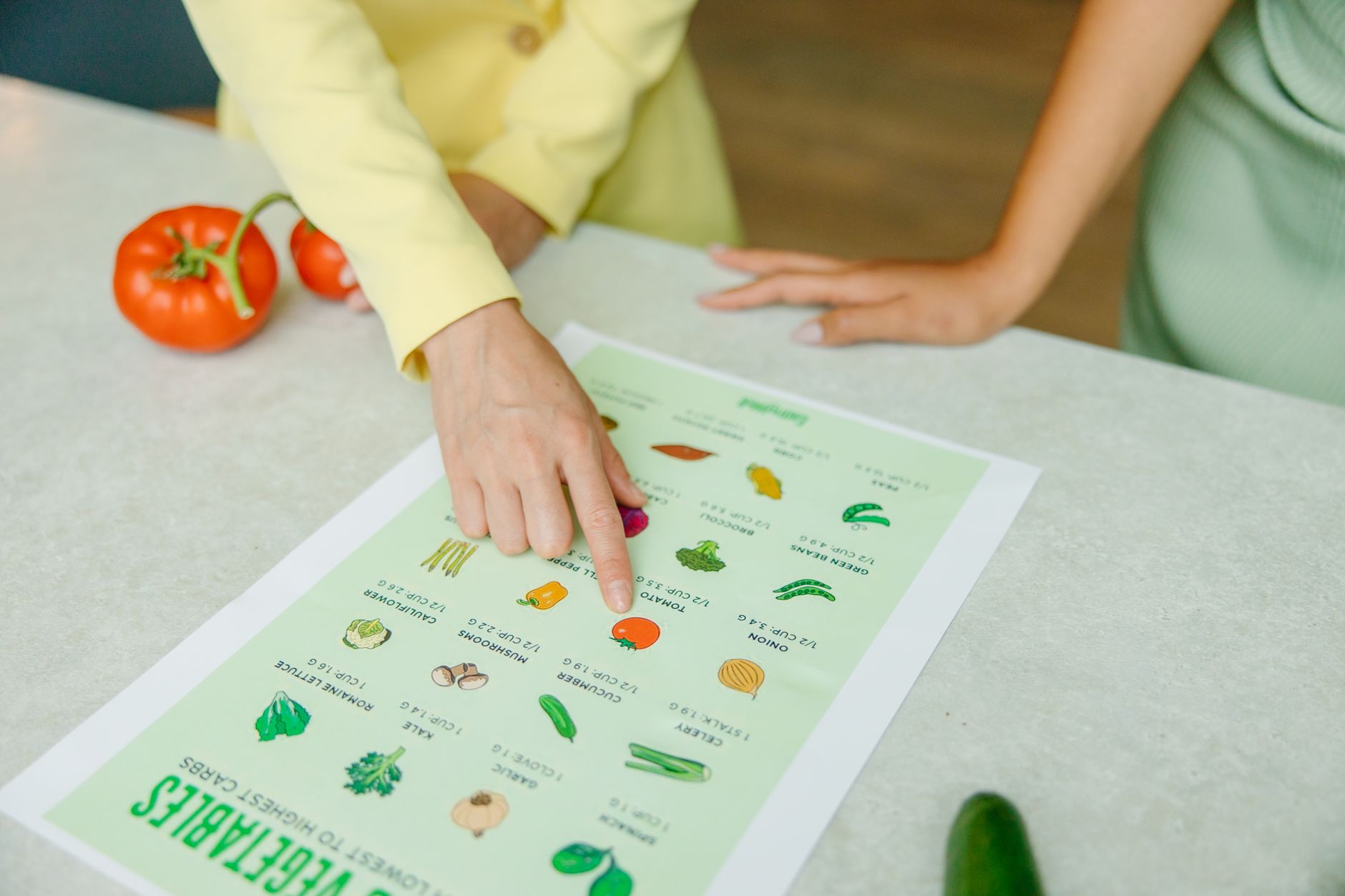
India’s food inflation averaged 8.4% in early 2026, according to RBI’s Consumer Price Index data — making it harder for middle-class families to maintain nutrition without planning. At the same time, packaged health food sales are booming, with India’s wellness food market projected to hit ₹1.1 lakh crore by 2027, per IBEF. The marketing pressure to spend more on “healthy” food is enormous, and most of it is unnecessary.
📊 Key stat: The average Indian household spends 39% of monthly income on food (NSSO 2026 data), yet nutritional deficiencies like iron, vitamin D, and B12 remain widespread — pointing to a planning problem, not a spending problem.
Here’s the real cost gap: a “health-conscious” urban Indian buying protein bars, imported oats, and packaged salads might spend ₹500+ per day on food. A person eating dal-chawal, one egg, mixed sabzi, and curd spends around ₹100 — and in many metrics, eats better.
The goal of this guide is to close that gap with a clear, week-long meal framework you can start immediately.
For more on managing personal finances alongside your health goals, read our guide on how to start investing in mutual funds — because financial and physical health go hand in hand.
How a Low-Cost Indian Diet Plan Works: Step-by-Step
Step 1: Calculate Your Daily Calorie and Protein Need
Before building a meal plan, you need two numbers: your daily calorie requirement and protein target.
- Average adult male: 2,000–2,400 kcal/day, 56–70g protein
- Average adult female: 1,700–2,000 kcal/day, 46–55g protein
- Simple protein rule: 0.8g per kg of body weight (NIN guideline)
Use a free calculator like the one on India’s MyFitnessPal app or the NIN dietary guidelines portal to get your personal targets before mapping meals.
Step 2: Build Your Core Ingredient List (Under ₹2,000/month)
Stock these 10 staples — they cover most of your macro and micronutrient needs:
| Ingredient | Monthly Quantity | Approx. Cost (₹) | Key Nutrient |
|---|---|---|---|
| Toor/Moong Dal | 2 kg | ₹200 | Protein, fibre |
| Brown Rice / Rice | 5 kg | ₹300 | Carbohydrates |
| Eggs | 30 units | ₹270 | Protein, B12 |
| Seasonal vegetables | 4 kg | ₹320 | Vitamins, minerals |
| Peanuts | 1 kg | ₹120 | Protein, healthy fats |
| Curd (homemade) | 2 litres/week | ₹200 | Probiotics, calcium |
| Bajra/Jowar/Ragi | 2 kg | ₹160 | Iron, fibre |
| Mustard oil | 1 litre | ₹180 | Healthy fats |
| Amla/Lemon | Seasonal | ₹80 | Vitamin C |
| Chana (whole) | 1 kg | ₹110 | Protein, fibre |
| TOTAL | — | ~₹1,940 | — |
This base grocery list feeds one adult for a month. Households cooking for families benefit from proportional bulk savings.
Step 3: Build a Sample 7-Day Meal Plan
Here’s a practical week-long template that costs approximately ₹120–₹140/day:
Monday–Wednesday (Repeat Template A):
- Breakfast: Ragi porridge with jaggery + 1 banana — ₹18
- Lunch: 2 rotis + moong dal + seasonal sabzi + curd — ₹35
- Evening snack: Boiled chana with lemon and salt — ₹12
- Dinner: Brown rice + toor dal + egg bhurji — ₹40
Thursday–Saturday (Template B):
- Breakfast: Poha with peanuts + 1 egg — ₹22
- Lunch: Bajra roti + rajma + sabzi — ₹38
- Evening snack: Roasted peanuts + amla — ₹10
- Dinner: Khichdi (rice + moong dal) + curd — ₹35
Sunday (Flexibility Day):
- Slightly higher spend (₹160–₹180) — allow for one fruit, extra protein or a small treat without breaking the monthly budget.
Low-Cost Diet vs. Commercial “Health Diets”: Quick Comparison
| Feature | Low-Cost Indian Diet Plan | Commercial Health Programs |
|---|---|---|
| Monthly cost | ₹2,000–₹4,500 | ₹8,000–₹25,000 |
| Protein source | Dal, eggs, peanuts, chana | Protein shakes, imported foods |
| India-specific | ✅ Fully localised | ❌ Often Western templates |
| Requires supplements | ❌ Rarely | ✅ Often mandatory |
| Sustainability | ⭐⭐⭐⭐⭐ | ⭐⭐⭐ |
| Nutritional completeness | ⭐⭐⭐⭐ | ⭐⭐⭐⭐ |
| Available in rural India | ✅ Yes | ❌ No |
Best Low-Cost Protein Sources in India 2026
Protein is the nutrient most Indians under-consume — and the most marketed as expensive. It doesn’t have to be. Here are five high-protein, low-cost options ranked by cost-per-gram of protein:
1. Eggs — ₹9 per egg, ~6g protein each
The most complete, affordable animal protein available in India. One egg per day provides B12, Vitamin D, and essential amino acids. Available at every local kirana store.
2. Moong Dal — ₹100/kg, ~24g protein per 100g dry
Easiest to digest among all dals. Quick to cook (no soaking needed), versatile across breakfasts (moong chilla) and dinners (dal tadka). Highly recommended by ICMR for all age groups.
3. Whole Chana / Kala Chana — ₹80–₹110/kg, ~19g protein per 100g dry
Boiled chana is one of India’s oldest and most underrated fitness foods. High in fibre, iron, and folate. Perfect as a snack or added to sabzi.
4. Peanuts — ₹120/kg, ~26g protein per 100g
Gram for gram, peanuts are the highest-protein, most affordable food in India. Roasted peanuts require zero cooking and are ideal for evening snacks or pre-workout fuel.
5. Soybean / Soya Chunks — ₹80–₹120/kg, ~52g protein per 100g dry
The plant-based protein king. One cup of soya chunks in a curry delivers 25–30g of protein. Particularly valuable for vegetarians replacing meat-based protein targets.
For a deeper dive into how nutrition links to productivity and earning potential in the digital economy, check out our best AI tools for Indian freelancers to see how health and income growth connect.
How to Save Money on Your Diet Without Losing Nutrition
Buy Seasonal Vegetables Only
Off-season vegetables cost 3–5x more and are often less nutritious due to cold-chain storage. In June–August, buy ridge gourd, cluster beans, drumstick, and cucumber. In November–February, shift to cauliflower, spinach, fenugreek, and carrots. Seasonal vegetables at a local sabzi mandi are 40–60% cheaper than supermarket prices.
Cook in Bulk — Freeze or Refrigerate
Cooking dal, rajma, or chana for 3–4 days at a time saves fuel, time, and mental energy. A pressure cooker is your biggest investment — a good Prestige or Hawkins cooker (₹800–₹1,500) pays back in gas savings within 3 months.
Use Your Kirana Store for Staples, Mandis for Produce
Local kirana stores offer staples (dal, rice, oil) at competitive prices, often with credit. Local vegetable mandis sell produce at 30–50% below supermarket prices. Avoid packaged “health” snacks — they offer poor nutrition per rupee.
Make Curd at Home
A litre of store-bought flavoured yogurt costs ₹80–₹120. Home-made curd from 1 litre full-fat milk costs ₹32 and delivers better probiotics, no added sugar, and more protein. Add a spoon of your previous curd as starter — zero extra cost.
💡 Pro tip: While you’re optimising your health and daily routine, many Indian professionals are also building side income using AI tools. Our Top 50 AI Tools to Make Money (PDF) (₹199–₹499) covers the exact tools freelancers and creators use to earn online — a natural complement to a disciplined, productive lifestyle.
Frequently Asked Questions
Q: What is the cheapest healthy diet plan for an Indian adult in 2026?
A: A dal-rice-sabzi-egg-curd meal plan costs ₹100–₹150 per day (₹3,000–₹4,500/month). It covers all major macronutrients using staples like moong dal, brown rice, seasonal vegetables, eggs, and homemade curd — without any supplements or packaged foods.
Q: How much protein can I get from a vegetarian Indian diet under ₹100/day?
A: A vegetarian Indian eating moong dal, whole chana, peanuts, soya chunks, and curd can comfortably get 50–65g of protein daily for under ₹100. That meets ICMR’s recommended 0.8g/kg requirement for a 60–70kg adult.
Q: Is a low-cost Indian diet plan suitable for weight loss?
A: Yes. High-fibre foods like dal, ragi, bajra, and whole chana create satiety with fewer calories. Replacing refined rice with millets and reducing oil to 2–3 teaspoons per day typically creates a 300–500 calorie deficit naturally — sufficient for gradual, healthy weight loss.
Q: Which Indian millets are most nutritious and affordable in 2026?
A: Ragi (finger millet), bajra (pearl millet), and jowar (sorghum) cost ₹40–₹80/kg and are richer in iron, calcium, and fibre than refined wheat. Ragi has the highest calcium content of any cereal — critical for Indian women at risk of osteoporosis.
Q: Can I follow a low-cost diet plan in a Tier-2 or Tier-3 Indian city?
A: Absolutely — and it’s often easier. Vegetables, dal, and milk are cheaper in smaller cities and rural areas. Local mandis and kirana stores offer fresher produce at lower prices than urban supermarkets. The same ₹150/day budget stretches further outside metros.
Conclusion
A low-cost diet plan in India in 2026 is not a compromise — it’s a return to what Indian food culture always understood: that local, seasonal, whole ingredients are the most nutritious and sustainable way to eat. Dal, eggs, millets, seasonal vegetables, curd, and peanuts give you everything a ₹500/day “health food” routine promises, at a fraction of the cost.
Start with the 10-ingredient grocery list, build your week around Template A and B, and buy seasonal produce from your local mandi. Your monthly food bill will fall. Your energy will rise. And your dependence on marketed “health” products will disappear.
The discipline you build around food often extends to other areas of life — including how you earn online. Explore our top budget health and productivity resources for more guides on living and working better in India.
📥 Want more? Get our Top 50 AI Tools to Make Money (PDF) — ₹199–₹499. Curated for Indian freelancers, creators, and side-hustlers ready to grow their income in 2026.
⚡ Join our VIP Telegram for Daily 70–90% Loot Deals: Don’t miss instant Amazon & Flipkart price drops, verified tech discounts, and lightning sales! 👉 Join @offers99infostore Free on Telegram ↗






1 comment
📥 Get our “Top 50 AI Tools to Make Money (PDF)” — ₹199 – ₹499 at https://99infostore.com/product/top-50-ai-tools-pdf