

TL;DR: Losing belly fat fast requires combining calorie control, high-protein meals, strength training, quality sleep, and stress reduction — not crash diets or fat-burner supplements. These 10 science-backed strategies are practical for Indian lifestyles, backed by current research, and designed for sustainable results in 2026.
Belly fat is not just a cosmetic concern. Visceral fat — the deep abdominal fat that wraps around your organs — is directly linked to type 2 diabetes, heart disease, and metabolic syndrome. India is facing a crisis: the Indian Council of Medical Research (ICMR) reported in 2024 that over 101 million Indians are living with diabetes, with abdominal obesity as a leading driver.
The good news? You do not need expensive gym memberships or imported supplements. The science on losing belly fat is clear, and most of it is achievable with changes you can make starting today. This guide covers the 10 most effective, research-backed strategies — tailored specifically to Indian diets, habits, and budgets.
If you have tried “cutting rice” or doing 100 crunches daily with no results, this will explain exactly why those approaches fail and what actually works.
What Is Belly Fat and Why Is It Dangerous?
Belly fat is fat stored in the abdominal region, classified into two types: subcutaneous fat (under the skin) and visceral fat (around internal organs).
Looking to buy or compare latest prices online? View verified deals, user reviews, and discounts directly on Amazon India:
Visceral fat is the dangerous kind. It behaves like an active endocrine organ — releasing inflammatory cytokines and hormones like cortisol and insulin that disrupt metabolism. A 2023 study published in The Lancet Diabetes & Endocrinology confirmed that high visceral fat increases cardiovascular mortality risk by up to 39%, independent of overall body weight. In India, the risk is amplified because South Asians tend to accumulate visceral fat at lower BMIs than Western populations — meaning a person who appears “average weight” may still carry dangerous abdominal fat.
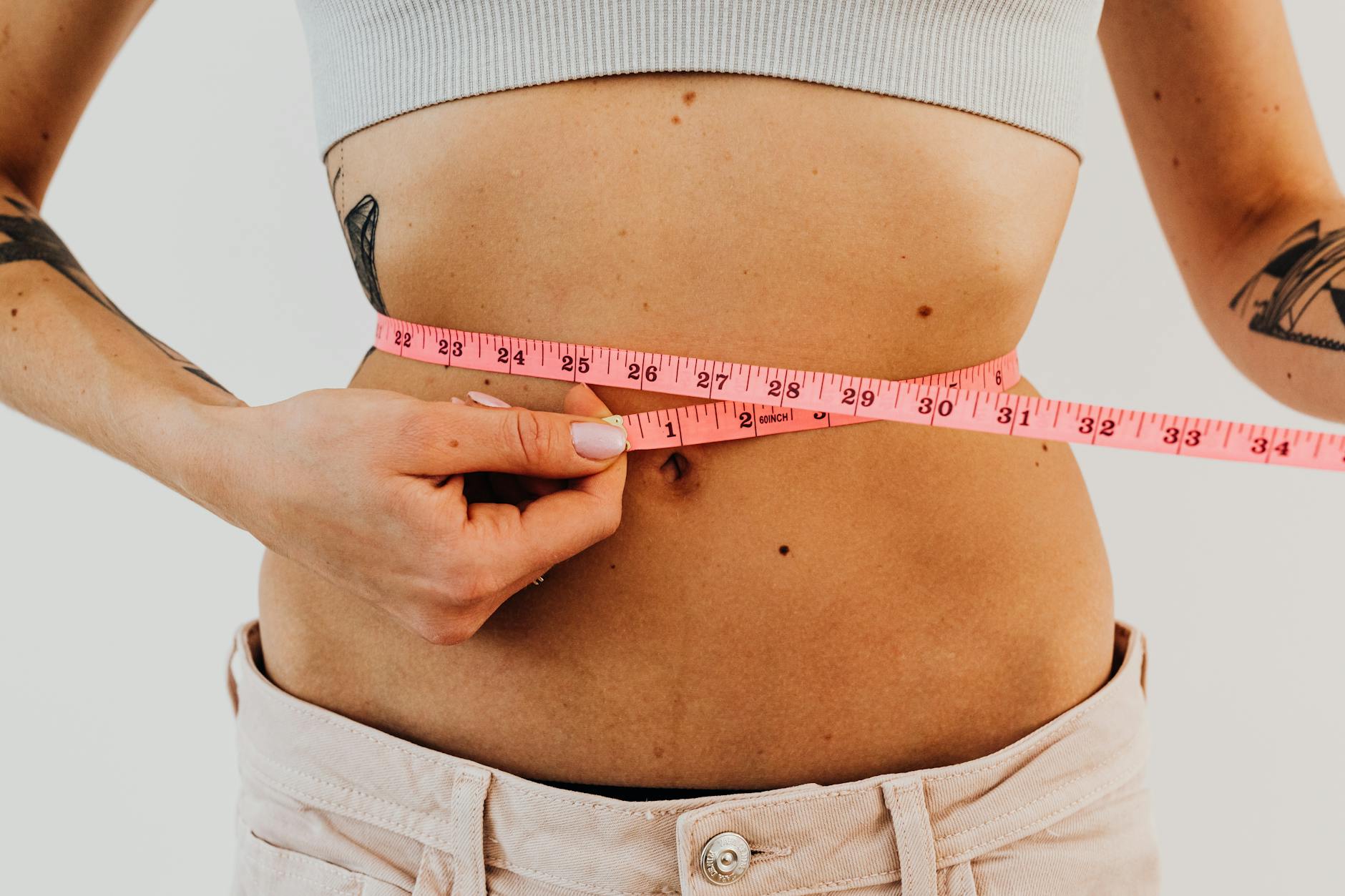
Waist circumference is a more accurate risk indicator than BMI for Indian adults. The World Health Organization (WHO) recommends waist thresholds of below 80 cm for Indian women and below 90 cm for Indian men. Anything above these numbers signals elevated metabolic risk.
Why Belly Fat Is Especially Common in India in 2026
India’s urban lifestyle has created a perfect storm for abdominal fat accumulation. Sedentary desk jobs, high-carbohydrate diets heavy in refined grains (maida, white rice), late-night eating, chronic work stress, and poor sleep quality all work together to spike cortisol and insulin — the two primary hormones that drive visceral fat storage.
📊 Key stat: According to ICMR’s 2024 national health survey, 40% of urban Indian adults aged 25–45 are classified as abdominally obese, up from 28% in 2016 — a 43% increase in under a decade.
Genetic factors compound this. Research published in JAMA Internal Medicine (2022) found that South Asians have a 3x higher risk of insulin resistance at equivalent body weights compared to Europeans. This means the standard “calories in, calories out” approach, while valid, needs to be paired with insulin-sensitizing strategies — particularly reducing refined carbohydrate intake.
Understanding this context matters. Generic weight-loss advice built for Western populations will underperform for most Indian readers. The 10 tips below account for this biological and lifestyle reality.
10 Science-Backed Tips to Lose Belly Fat Fast
Tip 1: Eat in a Calorie Deficit — but Calculate It Correctly
A calorie deficit is non-negotiable for fat loss. No strategy works without it. But most Indians wildly underestimate their calorie intake — particularly from cooking oil, ghee, and sugar in chai.
Use a TDEE (Total Daily Energy Expenditure) calculator to find your maintenance calories, then eat 300–500 calories below it. This rate produces 0.3–0.5 kg of fat loss per week — fast enough to be motivating, slow enough to preserve muscle.
Track intake for at least 14 days using apps like HealthifyMe or MyFitnessPal (both support Indian foods including idli, dal, and roti).
Tip 2: Prioritise Protein at Every Meal
Protein is the most powerful macronutrient for belly fat loss. It increases satiety hormones (GLP-1, PYY), reduces the hunger hormone ghrelin, preserves lean muscle during a deficit, and has a high thermic effect — meaning your body burns more calories digesting it.
A 2020 meta-analysis in Obesity Reviews found that high-protein diets (≥25% of calories from protein) resulted in 50% greater visceral fat reduction than standard diets over 12 weeks.
Indian sources of protein: eggs, chicken, paneer, Greek yogurt (Epigamia or Nestle Acti-V), moong dal, chana, soya chunks, and whey protein powder. Aim for 1.6–2.2 g of protein per kg of bodyweight daily.
Tip 3: Cut Refined Carbohydrates — Not All Carbs
Refined carbohydrates (white bread, maida-based foods, biscuits, packaged namkeen, sugary drinks) spike insulin rapidly. Chronically elevated insulin signals your body to store fat, particularly in the abdominal region.
You do not need to go full keto. Swap refined grains for high-fibre alternatives: brown rice, jowar roti, bajra chapati, oats, and barley. A 2022 study in The American Journal of Clinical Nutrition showed that replacing refined carbs with whole grains reduced visceral fat by 10% in 12 weeks without changing total calorie intake.
Eliminate liquid calories first — one 600 ml bottle of cola contains 252 calories and zero nutritional value.
Tip 4: Add Resistance Training 3–4 Times Per Week
Cardio alone is not the fastest route to belly fat loss. Resistance training — lifting weights, bodyweight exercises, or resistance bands — builds muscle mass, which increases your resting metabolic rate (RMR). More muscle means your body burns more calories even at rest.
A landmark 2021 study in Sports Medicine confirmed that combining resistance training with a calorie deficit reduces visceral fat 32% faster than cardio alone.
If gym membership feels expensive, bodyweight training (push-ups, squats, lunges, planks) is equally effective when performed with progressive overload. Aim for 3–4 sessions per week, 40–50 minutes each.
Tip 5: Do Not Rely on Crunches for Belly Fat
This is the single most common mistake. Crunches and sit-ups strengthen your abdominal muscles but do not burn the fat sitting on top of them. Spot reduction is a myth, definitively disproven by multiple controlled trials.
Compound movements — deadlifts, squats, rows, overhead presses — recruit more total muscle mass and burn significantly more calories than isolated ab exercises. Ab exercises have their place for core strength, but they are not a fat-loss tool.
Train your entire body. The fat will come off systematically — and the abdomen is typically among the last areas where it visibly reduces.
Tip 6: Sleep 7–9 Hours Every Night
Sleep deprivation is a direct cause of belly fat accumulation. When you sleep fewer than 6 hours per night, cortisol and ghrelin rise while leptin falls — creating a hormonal environment that drives overeating and fat storage, particularly in the abdomen.
📊 Key stat: A 2022 study from the National Institute of Mental Health and Neurosciences (NIMHANS), Bengaluru, found that 63% of Indian urban professionals sleep fewer than 6.5 hours on weekdays.
Fix your sleep before optimising your diet or workout. Practical steps: consistent sleep and wake times (even on weekends), no screens 45 minutes before bed, keeping the bedroom cool, and avoiding heavy meals within 2 hours of sleeping.
Tip 7: Manage Chronic Stress
Chronic psychological stress is a major driver of visceral fat in Indian adults — particularly given work pressure, long commutes, financial stress, and family responsibilities common in urban India.
Elevated cortisol increases appetite, specifically for high-calorie “comfort foods,” and directs fat storage to the abdominal region. A 2023 review in Psychoneuroendocrinology confirmed that stress-reduction interventions reduced visceral fat by an average of 7.8% over 16 weeks — without any dietary changes.
Effective stress management tools: 10–15 minutes of morning meditation (use apps like Headspace or Calm), daily physical activity, journaling, and protecting personal time aggressively. Yoga — particularly pranayama — has specific evidence for cortisol reduction in Indian populations.
Tip 8: Increase Non-Exercise Activity (NEAT)
NEAT — Non-Exercise Activity Thermogenesis — is the energy burned through all movement that is not formal exercise: walking, cooking, cleaning, climbing stairs, standing. For most desk workers, NEAT represents the biggest opportunity to increase daily calorie burn.
Adding a 30-minute walk after dinner (common in many Indian households anyway) burns approximately 150–180 extra calories per day. That totals roughly 1,100–1,260 calories per week — equivalent to 0.15 kg of pure fat. Across 12 weeks, this alone produces over 1.5 kg of fat loss without touching your diet.
Use a step counter (even a basic one built into your smartphone) and target 8,000–10,000 steps daily. Take calls standing. Use stairs. Walk to nearby shops.
Tip 9: Limit Alcohol and Ultra-Processed Snacks
Alcohol is metabolised as a priority fuel, meaning your body pauses fat burning whenever alcohol is present. Beer and whiskey — commonly consumed in urban India — are also calorie-dense. Two large pegs of whiskey add approximately 300 calories with no nutritional value.
Ultra-processed snacks (packaged chips, biscuits, instant noodles) are engineered to override satiety signals, causing chronic overeating. A 2024 study in The BMJ found that every 10% increase in ultra-processed food consumption was associated with a 12% higher risk of abdominal obesity.
Replace these with whole-food alternatives: roasted chana, makhana (fox nuts), fresh fruit, or homemade trail mix.
Tip 10: Consider Intermittent Fasting — Done Correctly
Intermittent fasting (IF) — specifically the 16:8 protocol (eating within an 8-hour window) — is one of the most effective tools for reducing visceral fat in individuals with insulin resistance, which is highly prevalent in India.
📊 Key stat: A 2023 trial published in Cell Metabolism found that 16:8 intermittent fasting reduced visceral fat by 14% over 12 weeks in participants with metabolic syndrome — without calorie counting.
Practical Indian implementation: skip breakfast or delay it to 10 AM, eat your last meal by 6 PM. This aligns reasonably with traditional Indian dinner timing. Ensure you still hit protein targets within your eating window. IF is not suitable for people with diabetes without medical supervision.
Belly Fat Loss: Diet vs. Exercise — Quick Comparison
| Factor | Diet (Calorie Control) | Exercise (Resistance + Cardio) |
|---|---|---|
| Impact on fat loss | High (70–80% of results) | Moderate (20–30% of results) |
| Time required | Ongoing | 3–5 hrs/week |
| Cost (India) | ₹0 extra if eating whole foods | ₹0–₹1,500/month (gym optional) |
| Visceral fat reduction | ✅ Direct | ✅ Direct |
| Muscle preservation | ❌ Alone insufficient | ✅ Essential |
| Beginner-friendly | ✅ | ✅ |
| Sustainable long-term | ✅ With habit formation | ✅ With routine |
Bottom line: Diet is the larger driver of fat loss; exercise is essential for muscle preservation, metabolic health, and accelerating visceral fat reduction. Combine both for the fastest results.
What Actually Works for Belly Fat Loss in India: Honest Assessment
Here is the unfiltered picture for Indian readers in 2026:
1. Whole-food Indian diets — Dal, sabzi, roti made from millets, curd, and eggs are not the problem. Portion sizes, oil quantities (especially refined oil), and refined carb frequency are the problem.
2. Walking after meals — Backed by multiple studies showing it blunts postprandial glucose spikes by up to 30%, directly reducing the insulin environment that drives fat storage.
3. Strength training at home — Bodyweight squats, push-ups, and resistance bands purchased for ₹500–₹1,000 online are fully sufficient to begin.
4. Reducing packaged food — This single change, if implemented seriously, eliminates the biggest source of hidden calories and engineered overeating in the modern Indian diet.
5. Getting serious about sleep — The most underrated fat-loss tool. No amount of gym work compensates for chronic sleep deprivation.
For more evidence-based nutrition and wellness strategies, explore health and wellness resources on 99infostore.com and our detailed guides on sustainable Indian diet plans.
Frequently Asked Questions
Q: How long does it take to visibly lose belly fat with these tips?
A: Most people notice visible reduction in 4–8 weeks with consistent calorie deficit, high protein intake, and regular resistance training. Visceral fat responds faster than subcutaneous fat — internal health improvements begin within 2 weeks of sustained changes.
Q: Is it possible to lose belly fat without going to the gym in India?
A: Yes. Home bodyweight training (push-ups, squats, planks) combined with daily walking of 8,000–10,000 steps and a calorie-controlled high-protein diet produces significant visceral fat reduction. Resistance bands (₹500–₹800) further enhance home workouts.
Q: Does eating rice cause belly fat in Indians?
A: Rice alone does not cause belly fat. Excess total calories do. White rice has a high glycaemic index, which spikes insulin — a concern for those with insulin resistance. Switching to smaller portions of brown rice or millet-based alternatives reduces this effect without eliminating rice entirely.
Q: What Indian foods should I avoid to reduce belly fat?
A: Prioritise eliminating sugary beverages (cola, packaged juices, sweetened chai), maida-based foods (bread, biscuits, namkeen), deep-fried snacks, and alcohol. These are the highest-calorie, lowest-nutrition items in the typical Indian urban diet.
Q: Can stress from work cause belly fat in Indian professionals?
A: Yes. Chronic work stress elevates cortisol, which directly promotes visceral fat accumulation, particularly around the abdomen. NIMHANS research (2022) found high cortisol levels in 58% of urban Indian IT professionals — making stress management a medically relevant fat-loss intervention, not optional.
Conclusion
Losing belly fat fast is achievable — but “fast” still means consistent effort over 8–12 weeks, not 7-day detox fixes. The 10 strategies in this guide are all validated by peer-reviewed research and directly applicable to Indian lifestyles.
Start with the four highest-impact changes: calculate and apply a calorie deficit, dramatically increase protein intake, add resistance training three times per week, and prioritise 7–8 hours of sleep. Build in the other strategies progressively over the first month.
The key insight for Indian readers in 2026: your genetics make calorie quality (particularly insulin management through refined carb reduction) more important than it is for Western populations. Whole-food Indian diets, millet rotis, dal, curd, eggs, and strength training are your most powerful tools.
For more practical health, finance, and productivity resources built for Indian readers, explore our complete library at 99infostore.com/health/.
📥 Want more tools to optimise your lifestyle and income? Get our Top 50 AI Tools to Make Money (PDF) — ₹199 to ₹499. Curated for Indian creators and professionals ready to build smarter in 2026.
⚡ Join our VIP Telegram for Daily 70–90% Loot Deals: Don’t miss instant Amazon & Flipkart price drops, verified tech discounts, and lightning sales! 👉 Join @offers99infostore Free on Telegram ↗




![Best Diwali Gift Ideas Under ₹1000 in India (2026): Useful Tech & Festive Hampers [Top 10 Picks] - 99InfoStore Festive Tech Gift Guide](https://99infostore.com/wp-content/uploads/2026/10/best-diwali-gifts-under-1000-india-2026-260x140.jpg)
![Dhanteras 2026 Silver Buying: Hallmarking Rules, Rates & Pure Coins Guide [With Calculator] - 99InfoStore Festive Finance Guide](https://99infostore.com/wp-content/uploads/2026/10/dhanteras-2026-silver-buying-guide-260x140.jpg)