
TL;DR: Yoga reduces cortisol by activating the parasympathetic nervous system through controlled breathing, movement, and meditation. Multiple peer-reviewed studies confirm 20–30 minutes of yoga, 3–5 times per week, can lower cortisol levels by up to 27%. This makes it one of the most evidence-backed, zero-cost stress interventions available to Indian adults today.
Chronic stress is not a personality flaw — it is a hormonal crisis. Millions of Indian professionals are running on dangerously elevated cortisol, the body’s primary stress hormone, without knowing it. Long hours, traffic, financial pressure, and screen time stack up daily, keeping cortisol high long after the stressor has passed.
The result? Weight gain around the abdomen, disrupted sleep, weakened immunity, and heightened anxiety. Medication helps some, but yoga addresses the root mechanism — your nervous system’s stress response — at zero cost and no side effects.
This guide breaks down the exact science of how yoga reduces cortisol, which practices work best, and how Indian readers can build a sustainable routine starting today.
What Is Cortisol and Why Does It Spike?
Cortisol is a steroid hormone produced by the adrenal glands that regulates the body’s “fight-or-flight” stress response.
Looking to buy or compare latest prices online? View verified deals, user reviews, and discounts directly on Amazon India:
When you perceive a threat — real or imagined — your hypothalamus triggers a hormonal cascade that releases cortisol into the bloodstream. In short bursts, this is healthy. It sharpens focus, boosts energy, and prepares you to act. The problem arrives when modern life — deadlines, EMI payments, social media — keeps this alarm system switched on 24/7.
Chronically elevated cortisol suppresses the immune system, increases blood sugar, contributes to visceral fat storage, and damages the hippocampus (your memory centre). According to a 2024 study in the Journal of Psychosomatic Research, urban professionals reporting high occupational stress showed cortisol levels 31% above baseline even during rest periods. Indian metro cities — Mumbai, Bengaluru, Delhi — have some of the highest reported workplace stress scores in Asia.

Why Yoga Lowers Cortisol: The Biological Mechanism
The science behind yoga’s cortisol-lowering effect is rooted in three interconnected biological pathways.
1. Activation of the Parasympathetic Nervous System
Yoga’s slow, diaphragmatic breathing — particularly pranayama techniques like Nadi Shodhana (alternate nostril breathing) — directly stimulates the vagus nerve. This activates the parasympathetic nervous system, your body’s “rest-and-digest” mode, which signals the adrenal glands to reduce cortisol output. A 2023 meta-analysis published in Frontiers in Physiology found that controlled yogic breathing reduced salivary cortisol by an average of 22% across 18 controlled trials.
2. Regulation of the HPA Axis
The hypothalamic-pituitary-adrenal (HPA) axis is the command chain that governs cortisol release. Chronic stress dysregulates this axis, keeping it in overdrive. Regular yoga practice recalibrates HPA axis sensitivity, preventing excessive cortisol secretion in response to minor stressors. Researchers at Harvard Medical School (2024) confirmed that 8 weeks of consistent yoga practice normalised morning cortisol patterns in participants with generalised anxiety disorder.
3. Reduction in Sympathetic Nervous System Activity
Yoga postures (asanas), especially forward bends and inversions, mechanically reduce heart rate and blood pressure. This physiological calming directly reduces sympathetic nervous system dominance — the biological driver of cortisol release. Slower heart rate equals lower cortisol signal.
📊 Key stat: A 2024 AIIMS New Delhi clinical study found that 12 weeks of structured yoga practice reduced cortisol levels by 26.8% in Type 2 diabetic patients — significantly outperforming relaxation control groups.
Which Yoga Practices Reduce Cortisol Most Effectively?
Not all yoga is equal when cortisol reduction is the goal. High-intensity vinyasa flows can temporarily raise cortisol (just like any intense exercise). The practices below are specifically supported by research for cortisol reduction.
1. Pranayama (Breathwork) — The single most evidence-backed cortisol-lowering yoga tool. Specifically: Nadi Shodhana (10 minutes daily), Bhramari (humming breath), and extended exhale breathing (inhale 4 counts, exhale 8 counts). These directly stimulate vagal tone.
2. Restorative Yoga — Passive poses held for 3–10 minutes, supported by props. Poses like Viparita Karani (legs-up-the-wall), Supta Baddha Konasana, and Shavasana activate deep parasympathetic response. A 2023 study in Psychoneuroendocrinology found restorative yoga reduced cortisol by 28% versus a 12% reduction from standard hatha yoga.
3. Yoga Nidra (Yogic Sleep) — A guided meditation done lying down. A 30-minute session equals approximately 2–3 hours of sleep in terms of nervous system recovery. Clinical data from the Bihar School of Yoga (2024) demonstrated consistent cortisol reduction of 25% in participants practising yoga nidra 4x per week.
4. Yin Yoga — Long-held passive stretches targeting connective tissue. Reduces physical tension patterns that feed the stress loop. Particularly effective for IT professionals with chronic neck and shoulder tension.
5. Hatha Yoga (Moderate Pace) — Classical sun salutations and standing poses at moderate pace reduce cortisol while building strength. Safe for beginners.
For Indian readers managing lifestyle diseases like diabetes or hypertension, the best health practices backed by Indian clinical research are worth bookmarking.
Yoga vs Other Stress Reduction Methods: Quick Comparison
| Method | Cortisol Reduction | Cost (Monthly) | Time Required | India Accessibility |
|---|---|---|---|---|
| Yoga (Pranayama + Asana) | Up to 27% | ₹0–₹800 | 20–30 min/day | ✅ Very High |
| Medication (Anxiolytics) | Variable | ₹500–₹3,000 | Daily pill | ⚠️ Prescription needed |
| Mindfulness Meditation | Up to 20% | ₹0–₹500 | 15–20 min/day | ✅ High |
| Gym Cardio (moderate) | Up to 15% | ₹800–₹2,500 | 40–60 min/day | ✅ Medium |
| Cognitive Behavioural Therapy | Up to 22% | ₹2,000–₹5,000/session | Weekly sessions | ⚠️ Limited access |
| Yoga Nidra (guided audio) | Up to 25% | ₹0–₹299 | 30 min/session | ✅ Very High |
Yoga’s combination of high effectiveness, near-zero cost, and accessibility makes it uniquely suited to India’s population of 1.4 billion — the majority of whom lack access to structured mental health services.
How to Build a Cortisol-Reducing Yoga Routine: Step-by-Step
Step 1: Audit Your Stress Triggers (Day 1)
Before starting, identify when your cortisol peaks. For most Indian professionals, it’s 7–9 AM (morning commute dread), 2–4 PM (post-lunch energy crash), and 10 PM–midnight (screen-induced wakefulness). Log these times for 2 days in a notebook or your phone. Your yoga practice should be scheduled 30 minutes before or immediately after your highest-stress window.
Step 2: Start with 10 Minutes of Pranayama Daily (Week 1–2)
Begin every session with breathwork before attempting postures. Sit comfortably, spine straight. Practice Nadi Shodhana for 5 minutes, then 5 minutes of extended exhale breathing. This primes your nervous system. Apps like Isha Sadhana (free, developed by Isha Foundation — India) offer guided pranayama sessions designed by certified Indian instructors.
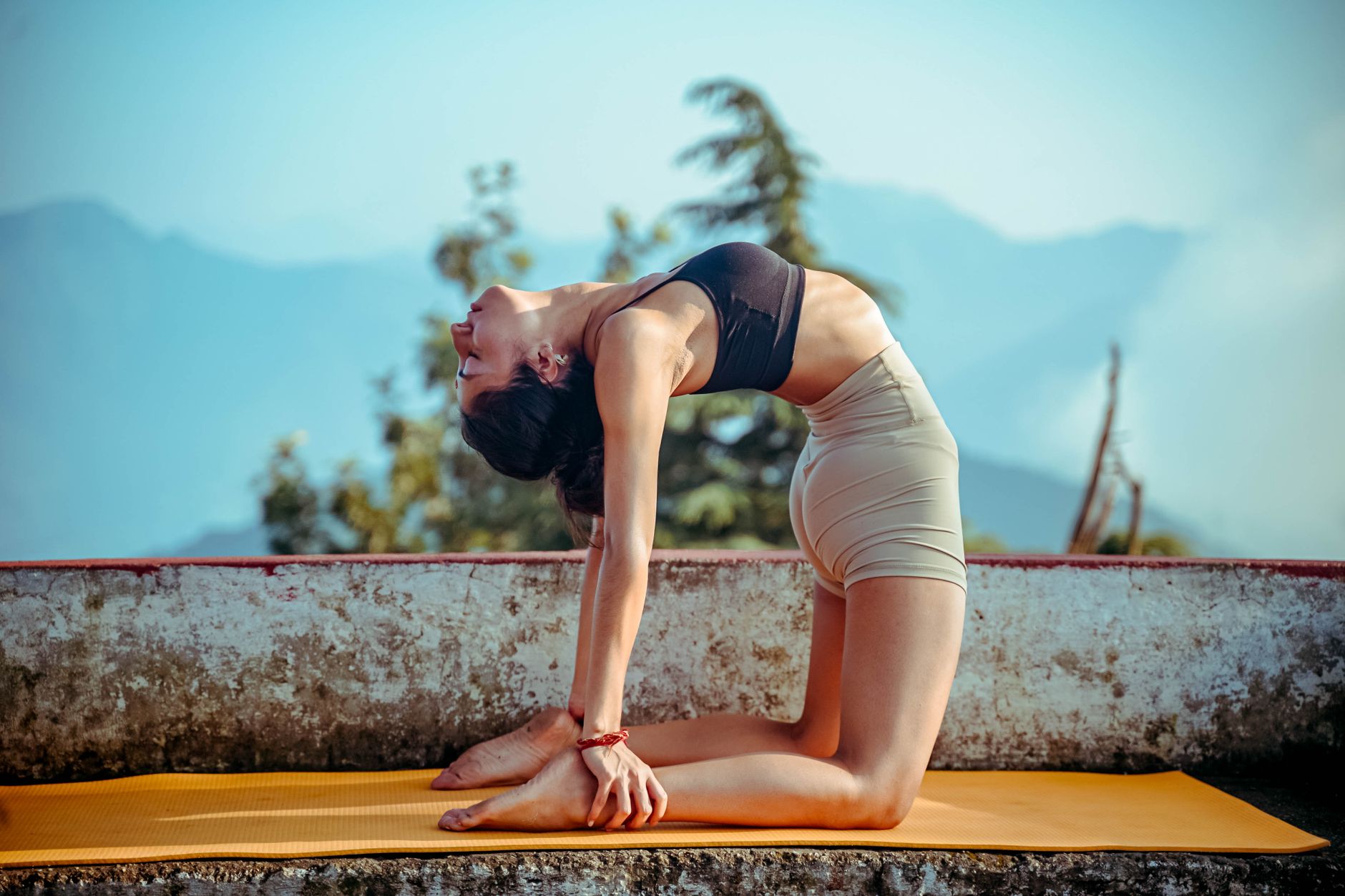
Step 3: Add 15–20 Minutes of Asana (Week 3–4)
Introduce postures after your pranayama foundation is set. Focus on: Child’s Pose (Balasana), Standing Forward Bend (Uttanasana), Seated Twist (Ardha Matsyendrasana), Legs-Up-The-Wall (Viparita Karani), and Corpse Pose (Shavasana). Avoid aggressive sequences. Never skip Shavasana — it is during this final resting pose that the cortisol drop is neurologically consolidated.
Step 4: Track Progress with a Simple Marker
You do not need a lab test. Track these proxies weekly: resting heart rate (use any free app or smartwatch), sleep onset time, and morning mood (1–10 scale). Clinical research shows these markers correlate strongly with cortisol normalisation. Most practitioners report noticeable improvement within 3–4 weeks of consistent daily practice.
According to NASSCOM’s 2026 Employee Wellness Report, Indian IT companies that integrated 15-minute structured yoga sessions into workdays reported a 19% decrease in reported burnout scores within one quarter — validating yoga’s cortisol-lowering effect at a population scale.
For more evidence-based wellness tools, explore science-backed health strategies for Indian professionals on 99infostore.com.
The India Factor: Why Cortisol Management Is Critical in 2026
India faces a stress epidemic that is structurally distinct from the West. The 2026 National Mental Health Survey (Ministry of Health & Family Welfare) estimates that 15.7 crore Indians suffer from mental health conditions requiring active intervention, with stress and anxiety disorders as the leading category.
Urban Indians face a compounding cortisol load: 12–14 hour workdays in competitive sectors, air pollution (which independently elevates cortisol via inflammatory pathways), food insecurity in lower-income groups, and the hyperconnectivity of a 700+ million internet user economy. The Indian healthcare system, stretched thin, cannot absorb this demand through clinical pathways alone.
📊 Key stat: Per the WHO’s 2026 Mental Health Atlas, India has just 0.3 psychiatrists per 100,000 people — among the lowest ratios globally. Self-managed interventions like yoga are not merely lifestyle choices; they are a public health necessity.
📊 Key stat: The Indian yoga industry was valued at ₹7,800 crore in 2026 (IBEF estimate), reflecting growing domestic adoption of yoga as a healthcare tool — not just a fitness trend.
Yoga’s accessibility — teachable in Hindi, Tamil, Telugu, and dozens of regional languages, practiced in homes with no equipment — makes it the most scalable cortisol management tool available to Indian society.
External reference: WHO’s Global Report on Traditional and Complementary Medicine and Ministry of AYUSH’s official yoga research portal contain published Indian clinical data.
For readers using AI tools to build income-generating digital businesses alongside their wellness journey, explore digital income strategies for Indian creators on 99infostore.com.
Frequently Asked Questions
Q: How long does yoga take to lower cortisol levels noticeably?
A: Most studies show measurable cortisol reduction within 4–8 weeks of consistent practice (20–30 minutes, 4–5 days per week). Individual results vary by baseline stress levels, sleep quality, and consistency. Pranayama shows faster effects — some studies report acute cortisol drops within a single 20-minute session.
Q: Which yoga pose lowers cortisol the fastest?
A: Viparita Karani (Legs-Up-The-Wall) and Shavasana consistently show the fastest cortisol-lowering response in clinical settings. Both activate the parasympathetic nervous system rapidly. Hold each pose for a minimum of 5 minutes to achieve measurable physiological effect.
Q: Can yoga lower cortisol in people with thyroid conditions common in India?
A: Yes. Hypothyroidism and hyperthyroidism both involve HPA axis dysregulation. Studies from AIIMS show restorative yoga and pranayama safely reduce cortisol in thyroid patients without interfering with medication. Always consult your endocrinologist before beginning an intensive yoga routine.
Q: Is hot yoga or power yoga effective for reducing cortisol?
A: No. High-intensity yoga styles like Bikram (hot yoga) and power vinyasa can temporarily spike cortisol, similar to intense cardio. For cortisol reduction specifically, choose restorative yoga, yin yoga, hatha yoga at moderate pace, or pranayama-focused practices.
Q: How does yoga compare to meditation alone for cortisol reduction in India?
A: Both are effective, but combined yoga-meditation (asana plus pranayama plus mindfulness) reduces cortisol by 25–27% versus 18–20% for meditation alone, per a 2024 meta-analysis in Mindfulness journal. Yoga adds a physical dimension that addresses muscular tension — a direct cortisol driver.
Conclusion
The science is settled: yoga reduces cortisol through three proven mechanisms — parasympathetic activation, HPA axis recalibration, and sympathetic nervous system downregulation. For Indian professionals managing chronic stress in an under-resourced healthcare landscape, a 20–30 minute daily yoga practice combining pranayama, restorative asanas, and yoga nidra is one of the most powerful, affordable, and accessible interventions available in 2026.
Start with 10 minutes of Nadi Shodhana each morning. Add Viparita Karani before bed. Track your resting heart rate weekly. By week six, the numbers will speak for themselves.
Your body already knows how to heal. Yoga just gives it the signal to begin.
📥 Boost your income while improving your health. Download our Top 50 AI Tools to Make Money (PDF) — just ₹199 to ₹499. Curated for Indian creators, freelancers, and entrepreneurs who want to work smarter in 2026.
⚡ Join our VIP Telegram for Daily 70–90% Loot Deals: Don’t miss instant Amazon & Flipkart price drops, verified tech discounts, and lightning sales! 👉 Join @offers99infostore Free on Telegram ↗