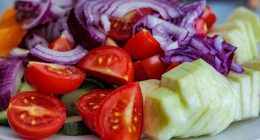

TL;DR: You can reduce blood sugar naturally by eating low-glycaemic Indian foods (methi, karela, brown rice), following meal timing discipline, and staying active for 30 minutes daily. This guide covers the exact foods, meal plans, and lifestyle changes that work for Indian bodies and Indian kitchens — no expensive supplements required.
India is facing a diabetes crisis that most health content still treats as a Western problem. Over 101 million Indians now live with diabetes, and another 136 million are pre-diabetic — yet most diet advice online assumes you eat salads and drink kale smoothies. You don’t. You eat dal, roti, rice, and sabzi. This guide is built entirely around that reality.
Whether you have been diagnosed with Type 2 diabetes, are managing pre-diabetes, or simply want to keep your blood sugar stable as you age, the strategies here are practical, affordable, and designed for Indian homes in 2026.
What Is Blood Sugar and Why Does It Spike?
Blood sugar (blood glucose) is the concentration of glucose circulating in your bloodstream, measured in milligrams per decilitre (mg/dL), and it rises when you eat carbohydrates that your body converts to glucose faster than insulin can process them.
Looking to buy or compare latest prices online? View verified deals, user reviews, and discounts directly on Amazon India:
For most Indians, blood sugar spikes happen not because of “bad” food choices but because of how common foods are prepared and combined. White rice eaten alone, maida-based rotis, or a large glass of mango juice on an empty stomach all trigger rapid glucose surges. The good news: the same Indian kitchen that causes these spikes also contains some of the world’s most effective blood-sugar-lowering ingredients — methi seeds, karela, amla, turmeric, and more.
A fasting blood sugar below 100 mg/dL is considered normal. Between 100–125 mg/dL signals pre-diabetes. Above 126 mg/dL on two separate tests indicates Type 2 diabetes, per the Indian Council of Medical Research guidelines. Knowing where you stand is the first step before changing your diet.
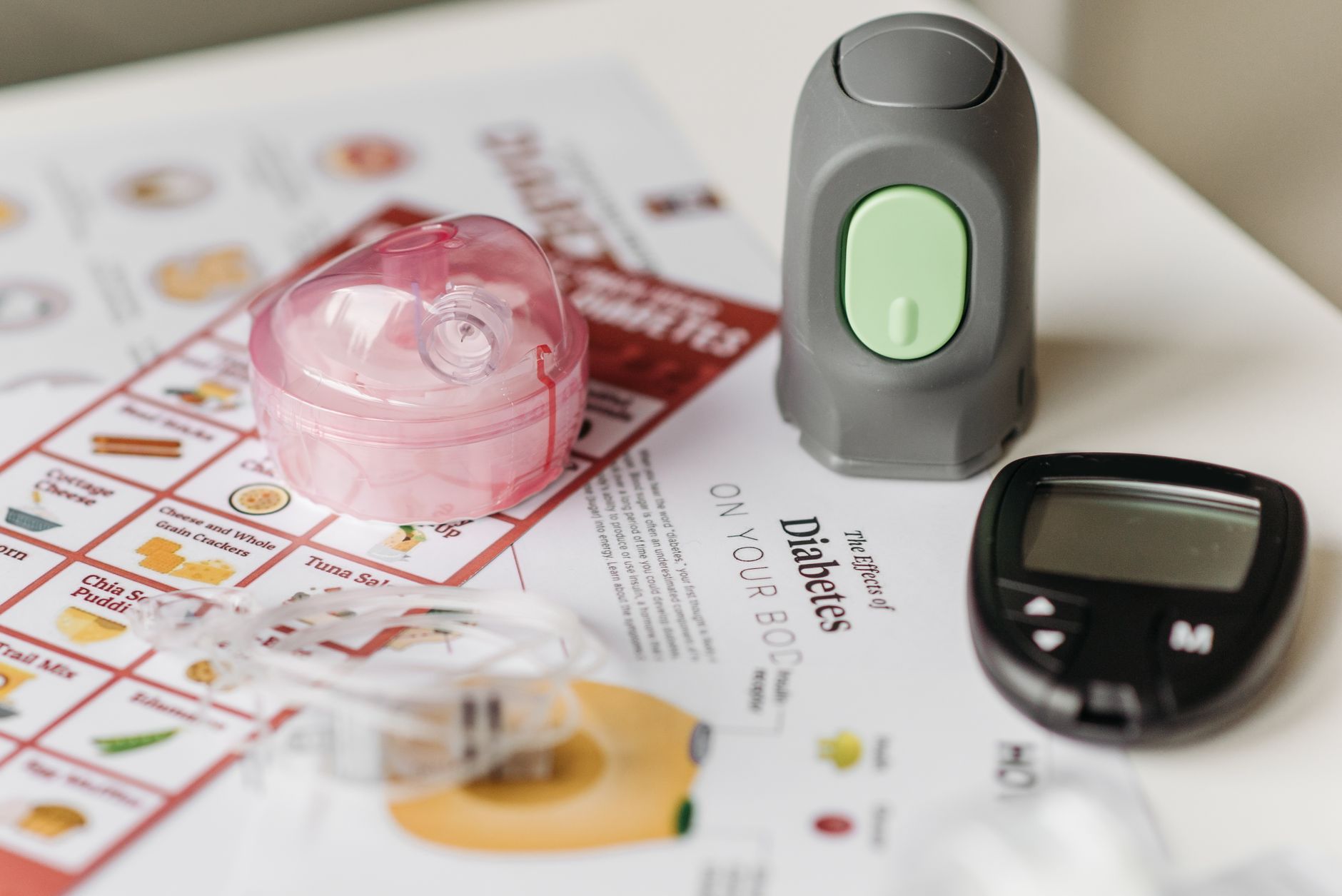
Why Blood Sugar Management Matters in India in 2026
India is now the world’s diabetes capital. According to the Indian Council of Medical Research (ICMR) 2024 National Diabetes Survey, 101 million Indians are diabetic and 136 million are pre-diabetic — numbers that have grown 44% over the last decade.
📊 Key stat: India spends an estimated ₹1.05 lakh crore annually on diabetes-related healthcare costs, per IBEF’s 2025 health sector report — and 70% of that burden falls on out-of-pocket expenses by patients.
The Indian metabolic profile is unique. South Asians develop insulin resistance at lower body-mass indices than Western populations — a phenomenon researchers call “thin-fat Indian” syndrome. This means an Indian person at a “normal” BMI of 23 may already have dangerous visceral fat levels driving insulin resistance. Generic Western diet advice systematically underestimates this risk.
The good news: dietary changes alone can reverse pre-diabetes in 60–70% of Indian patients, according to a 2024 study published in the Journal of Diabetology & Metabolic Syndrome. That makes natural food-based intervention the single highest-ROI health move available to most Indians today.
Top Indian Foods That Lower Blood Sugar Naturally
These are not exotic superfoods. They are staples sitting in Indian kitchens right now.
1. Methi (Fenugreek Seeds)
Methi contains soluble fibre and an amino acid called 4-hydroxyisoleucine, which directly stimulates insulin secretion. Soaking 1–2 teaspoons overnight and drinking the water on an empty stomach has been shown in clinical trials to reduce fasting blood sugar by 10–15% over 8 weeks. Add methi leaves to parathas or dal for an everyday dose.
2. Karela (Bitter Gourd)
Karela contains three active compounds — charantin, vicine, and polypeptide-p — that mimic insulin action. Drinking 50–100 ml of karela juice before breakfast is a traditional remedy now backed by multiple peer-reviewed studies. The bitterness signals most people away, but blending it with amla juice and a pinch of rock salt makes it far more drinkable.
3. Amla (Indian Gooseberry)
Amla is one of the richest natural sources of Vitamin C globally (600–900 mg per 100g) and contains chromium, which regulates carbohydrate metabolism and improves insulin sensitivity. Two fresh amlas daily or 10 ml of amla juice on an empty stomach is a standard Ayurvedic prescription for blood sugar management — and it has robust clinical backing.
4. Brown Rice Over White Rice
Switching from white rice to brown rice reduces the glycaemic index of your main meal from ~72 to ~50. For a South Indian family eating rice twice daily, this single swap can meaningfully reduce post-meal glucose spikes. If brown rice texture is an issue, mix 50% white and 50% brown rice to transition gradually.
5. Cinnamon (Dalchini)
Half a teaspoon of Ceylon cinnamon (not Cassia variety) added to morning tea or warm water has been shown to improve insulin sensitivity by activating GLUT-4 receptors. Ceylon cinnamon is available at most kirana stores for under ₹80 per 50g pack. Do not confuse it with the thicker, cheaper Cassia cinnamon sold in bulk — that variety contains coumarin, which is harmful in large quantities.
6. Rajma, Chana, and Lentils (Low-GI Protein)
All legumes have a glycaemic index between 20–35 — far lower than any grain. Replacing one rice meal per day with rajma chawal (using brown rice) or a bowl of sprouted moong gives you slow-releasing carbohydrates, high fibre, and plant protein that blunts post-meal glucose spikes significantly. These are also among the most affordable protein sources in India at ₹80–120 per kg.
How to Structure an Indian Meal Plan to Control Blood Sugar
Step 1: Rebuild Your Breakfast
The Indian breakfast is the most blood-sugar-damaging meal for most people. Poha, upma, white bread toast, and idli-sambar all spike glucose fast when eaten alone. Fix: Add protein and fat to every breakfast. A serving of eggs or paneer with poha, or a handful of soaked almonds before idli, slows glucose absorption dramatically. Target: protein ≥ 15g at breakfast.
Step 2: Apply the “Plate Method” at Lunch
Divide your thali plate into three zones: 50% non-starchy vegetables (salad, bhindi, palak), 25% protein (dal, paneer, eggs, chicken), 25% complex carbs (brown rice or 1–2 multigrain rotis). This single plate restructuring reduces post-lunch glucose spikes by 20–30% without changing what you cook — only how much of each item you serve.
Step 3: Time Your Meals Correctly
Meal timing matters as much as meal content. Eating dinner before 7:30 PM gives your body a longer overnight fast that naturally resets insulin sensitivity. Research from AIIMS Delhi published in 2024 confirmed that an 8-hour eating window (10 AM to 6 PM or 8 AM to 8 PM) reduced fasting glucose in Indian Type 2 diabetics by an average of 12 mg/dL within 12 weeks without calorie restriction.
Step 4: Walk After Every Meal
A 10–15 minute walk after meals is one of the most evidence-backed blood sugar interventions in existence. A study in Diabetes Care (2022) found that short post-meal walks reduced post-prandial glucose spikes by 12% better than a single 30-minute morning walk. For Indians who sit at desks all day, three short post-meal walks add up to meaningful metabolic improvement.
Step 5: Cut Liquid Sugar Completely
Chai with two teaspoons of sugar, three times a day, adds 30g of refined sugar to your daily intake before you have eaten a single meal. Switch to unsweetened green tea, black coffee, or jeera water as your default hot drink. If you cannot give up chai, reduce to half a teaspoon of jaggery (lower GI than sugar) and use full-fat milk rather than skimmed milk to slow glucose absorption.

Indian Diet Approaches for Blood Sugar: Quick Comparison
| Approach | Effectiveness | Cost | Ease for Indian Kitchen | Sustainability |
|---|---|---|---|---|
| Low-GI Indian Diet | ⭐⭐⭐⭐⭐ | ₹0 extra | ✅ Very easy | ✅ High |
| Intermittent Fasting (16:8) | ⭐⭐⭐⭐ | ₹0 | ✅ Easy | ✅ Moderate |
| Ketogenic Diet | ⭐⭐⭐⭐ | ₹300+/day extra | ❌ Hard (no dal/roti) | ❌ Low |
| Supplements Only | ⭐⭐ | ₹500–₹2,000/month | ✅ Easy | ✅ Easy |
| Raw/Juice Cleanse | ⭐⭐ | ₹200+/day extra | ❌ Hard | ❌ Very Low |
The low-GI Indian diet wins on every dimension for most Indians because it works with your existing cooking habits, costs nothing extra, and is culturally sustainable for life — not just 30 days.
5 Lifestyle Changes That Amplify Your Diet Results
Beyond food, these habits directly improve insulin sensitivity and blood sugar control for Indian adults in 2026.
1. Strength training 3x per week — Muscle tissue is the primary sink for blood glucose. Building muscle through bodyweight exercises (squats, push-ups, lunges) or gym training directly increases your body’s glucose-disposal capacity. Even 20 minutes, three times a week, makes a measurable difference within 6 weeks.
2. Sleep 7–8 hours consistently — A single night of 5-hour sleep raises cortisol levels, which drives blood sugar up and insulin sensitivity down. Poor sleep is one of the least-discussed drivers of Type 2 diabetes in India, where late-night screen time and irregular schedules are extremely common.
3. Manage stress actively — Chronic stress elevates cortisol, which tells your liver to release more glucose into the bloodstream. Pranayama (specifically Anulom Vilom for 10 minutes daily) has been shown in AIIMS-published studies to reduce HbA1c by 0.5–0.8% in diabetic patients over 6 months.
4. Hydrate with water, not juice — Many Indians replace hydration with fruit juice, assuming it is healthy. A 200 ml glass of mango juice contains 22g of sugar with negligible fibre. Switching to 2.5–3 litres of plain water daily reduces overall sugar intake and supports kidney function, which is critical for diabetics.
5. Monitor your numbers at home — A basic glucometer costs ₹500–₹800 at any medical store in India (Dr. Morepen, Accu-Chek). Testing your blood sugar 2 hours after meals for two weeks gives you precise data on which specific Indian foods spike your glucose the most — far more useful than generic advice.
For more health and productivity resources tailored to Indian readers, explore our wellness and lifestyle guides on 99infostore.com.
Natural Supplements That Have Clinical Evidence for Indians
These are not replacements for dietary change — but they have genuine research support for Indian populations.
Berberine (Berberis extract): Berberine, derived from the Daruharidra plant used in Ayurveda, has been compared to Metformin in clinical trials. A 2023 meta-analysis in Frontiers in Pharmacology found 500 mg berberine twice daily reduced HbA1c by 0.9% over 3 months. Available in India for ₹300–₹600 for a month’s supply.
Gymnema Sylvestre (Gurmar): Known in Hindi as “sugar destroyer,” Gurmar has compounds that block sugar absorption in the intestine and may regenerate pancreatic beta cells. Standardised extracts (400 mg/day) have shown HbA1c reductions of 0.6% in Indian clinical studies. Widely available as Himalaya Gurmar tablets for ₹120–₹180.
Chromium Picolinate: Most Indians are mildly chromium-deficient due to refined grain consumption. Chromium directly activates insulin receptors. Supplementing with 200–400 mcg daily is inexpensive (₹150–₹300/month) and evidence-backed for improving insulin sensitivity.
💡 Pro tip: Before adding any supplement to your routine, track your baseline fasting glucose for 2 weeks using a home glucometer. This gives you real before/after data — and helps your doctor make better-informed decisions about your treatment plan. You can find evidence-based health tracking tools and guides on 99infostore.com.
Frequently Asked Questions
Q: Which Indian breakfast is best for lowering blood sugar naturally in 2026?
A: Eggs with sautéed vegetables or a moong dal chilla with mint chutney are ideal. Both provide 15–20g of protein, slowing glucose absorption. Avoid plain poha, white bread toast, or banana alone — these spike blood sugar quickly without protein to balance them.
Q: Can I eat rice if I have high blood sugar or Type 2 diabetes?
A: Yes, but switch to brown rice, eat it warm (not reheated), and pair it with dal and vegetables using the 25% plate method. Cooked-and-cooled rice also has more resistant starch, which has a lower glycaemic impact than freshly cooked white rice.
Q: How quickly can diet changes reduce blood sugar levels naturally?
A: Fasting blood sugar typically drops 5–15 mg/dL within 2–4 weeks of consistent dietary changes. HbA1c (3-month average) takes 8–12 weeks to reflect meaningful improvement. Post-meal spikes reduce within days of applying the plate method and post-meal walking habit.
Q: Is jaggery or honey safer than sugar for diabetics?
A: Jaggery has a slightly lower glycaemic index than white sugar (84 vs 65 approximately) but still raises blood sugar significantly. Neither jaggery nor honey is “safe” in large quantities for diabetics. Use sparingly — maximum half a teaspoon per serving — and prefer stevia or dates as natural sweeteners.
Q: What is a normal blood sugar level for Indians, and how does it differ from Western standards?
A: Normal fasting glucose for Indians is below 100 mg/dL (same as global standards). However, Indian health guidelines recommend stricter HbA1c targets (below 7%) given South Asians’ higher cardiovascular risk at the same glucose levels. Post-meal glucose should stay below 140 mg/dL at the 2-hour mark.
Conclusion
Managing blood sugar naturally in India is not about expensive supplements, Western-style diets, or giving up everything you love eating. It is about applying smart, specific changes to what is already in your kitchen and on your thali — methi, karela, amla, legumes, and proper meal structure.
The five-step meal plan, the plate method, post-meal walking, and consistent sleep can collectively reduce fasting blood sugar by 15–25 mg/dL and HbA1c by 0.5–1.5% within 12 weeks for most pre-diabetic and early diabetic Indians. That is clinically significant — and achievable without a single prescription.
Start with the two easiest changes first: restructure breakfast with more protein, and walk for 10 minutes after dinner tonight. Then layer in the others over 30 days.
For a structured reference, also check out our complete Indian nutrition and wellness guide to complement your blood sugar management plan.
📥 Want more actionable resources? Get our Top 50 AI Tools to Make Money (PDF) — starting at just ₹199. Curated tools and income strategies for Indian creators and professionals looking to build income alongside better health habits in 2026.
⚡ Join our VIP Telegram for Daily 70–90% Loot Deals: Don’t miss instant Amazon & Flipkart price drops, verified tech discounts, and lightning sales! 👉 Join @offers99infostore Free on Telegram ↗




![Best Diwali Gift Ideas Under ₹1000 in India (2026): Useful Tech & Festive Hampers [Top 10 Picks] - 99InfoStore Festive Tech Gift Guide](https://99infostore.com/wp-content/uploads/2026/10/best-diwali-gifts-under-1000-india-2026-260x140.jpg)
![Dhanteras 2026 Silver Buying: Hallmarking Rules, Rates & Pure Coins Guide [With Calculator] - 99InfoStore Festive Finance Guide](https://99infostore.com/wp-content/uploads/2026/10/dhanteras-2026-silver-buying-guide-260x140.jpg)