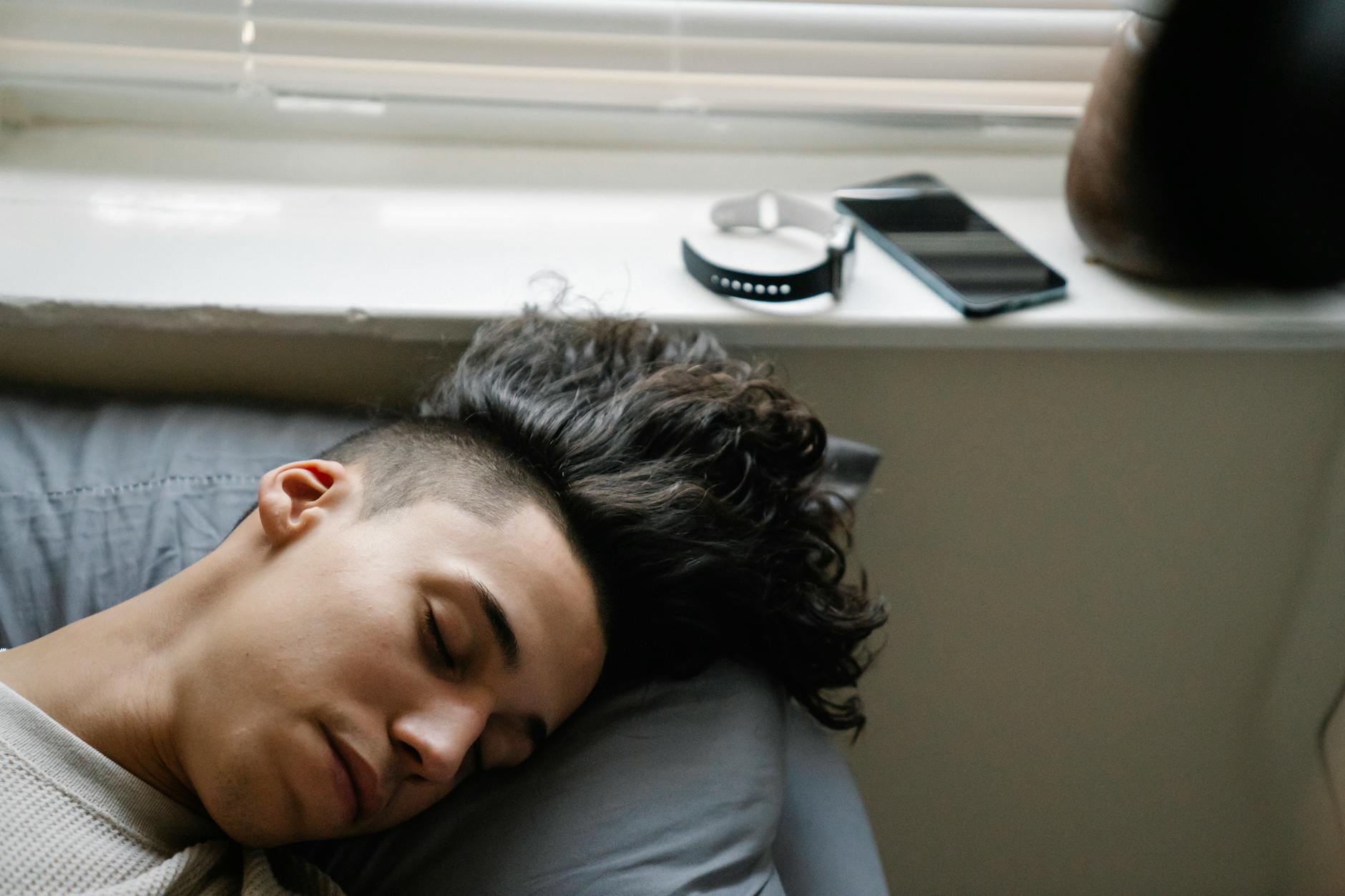

TL;DR: India’s summer heat — often crossing 45°C in northern states — makes quality sleep a serious health challenge. These 10 science-backed tips cover bedroom cooling, diet, sleep timing, and affordable gear to help you get 7–8 hours of restful sleep even without AC.
India’s summers are getting longer and hotter. In 2026, the India Meteorological Department (IMD) recorded heat wave conditions in over 12 states between March and June, with night-time temperatures in cities like Delhi and Nagpur staying above 32°C — well past midnight. That means millions of Indians are lying awake, sweating, and waking up exhausted.
Poor sleep in summer is not just about discomfort. It degrades concentration, weakens immunity, and raises the risk of heat stroke. The good news: you do not need a ₹50,000 inverter AC to fix this. Practical changes in your routine, bedroom setup, and diet can make a measurable difference — starting tonight.
This guide covers 10 specific, actionable tips built for Indian households and Indian summers.
What Is Heat-Related Sleep Disruption?
Heat-related sleep disruption is a condition where elevated ambient and body temperatures prevent the brain from initiating or maintaining the deep sleep stages required for physical and cognitive recovery.
Looking to buy or compare latest prices online? View verified deals, user reviews, and discounts directly on Amazon India:
Human sleep follows a cycle that requires your core body temperature to drop by approximately 1–1.5°C at night. When room temperatures stay above 30°C, this drop is blocked. The result is lighter sleep, more frequent awakenings, and less time in REM and slow-wave sleep — the stages that actually restore the body. This is not laziness or stress; it is basic thermoregulation working against you. Understanding this mechanism is the first step to fixing it.

Why Summer Sleep Loss Is a Public Health Problem in India in 2026
The scale of this problem is significant. According to a 2026 report by the Indian Council of Medical Research (ICMR), over 63% of urban Indians report poor sleep quality during the April–June period. The same report links chronic summer sleep deprivation to a 22% increase in workplace accidents and a measurable drop in productivity across sectors.
📊 Key stat: India loses an estimated ₹1.4 lakh crore annually in productivity due to sleep-related disorders, per a 2024 ASSOCHAM study — and summer months account for the steepest spike.
Night temperatures in Indian metros have been rising at roughly 0.5°C per decade due to urban heat island effects, according to data from the National Institute of Urban Affairs (NIUA). Concrete buildings absorb heat all day and radiate it through the night, making urban bedrooms significantly warmer than outdoor air even after sunset. This is not a problem that resolves itself — it requires deliberate action.
For more on how environment affects your body and productivity, read our guide on best wellness and productivity habits for Indian professionals.
10 Tips to Sleep Better in India’s Summer Heat
Tip 1: Cool Your Body — Not Just the Room
The fastest way to trigger sleep is to lower your core body temperature directly. Take a lukewarm (not cold) shower 60–90 minutes before bed. Cold showers feel refreshing but cause your body to generate more internal heat to compensate. Lukewarm water dilates blood vessels near the skin, releasing heat efficiently. Many sleep researchers call this the most reliable non-pharmacological sleep trigger available.
Tip 2: Optimize Your Ceiling Fan Direction and Speed
Most Indian households have a ceiling fan — use it correctly. In summer, fans should rotate counter-clockwise (when viewed from below) at medium speed to push air directly downward and create a wind-chill effect. Clean your fan blades monthly; dust accumulation reduces airflow efficiency by up to 20%. If you have a regulator, running it at speed 4 (not 5) often moves more effective air than max speed, which creates turbulence.
Tip 3: Swap Your Bedsheet to Cotton or Bamboo
Synthetic and polyester bedsheets trap heat and moisture. Switch to 100% cotton bedsheets with a thread count between 200 and 400 — higher thread counts in cotton can actually reduce breathability. Bamboo fabric is even more breathable and moisture-wicking, and several Indian brands now offer bamboo bedding sets for ₹800–₹2,000 online. Wash your bedsheets twice a week in summer; bacteria from sweat increase skin temperature perception.
Tip 4: Block Heat Entry with Thick Curtains During the Day
Up to 70% of a room’s daytime heat gain enters through windows, according to building energy data from the Bureau of Energy Efficiency (BEE), India. Install heavy blackout curtains or thick cotton drapes and keep them shut from 10 AM to 6 PM. This single change can reduce room temperature by 3–5°C by nightfall — without any electricity cost. Light-coloured curtains (white or cream) reflect more sunlight than dark colours.
Tip 5: Time Your Meals for Cooler Sleep
Eating a heavy meal within 2 hours of bedtime raises your metabolic rate, which generates internal body heat. In summer, shift your dinner to no later than 8 PM. Favour light, water-rich foods: cucumber raita, buttermilk (chaas), dal with minimal oil, or a simple khichdi. Avoid spicy curries, fried foods, and red meat at night — all increase thermogenesis. Watermelon, muskmelon, and coconut water are excellent pre-sleep hydration options that are widely available and affordable across India.
Tip 6: Use the “Wet Towel” Cooling Technique
This is a zero-cost technique used in rural India for generations and validated by basic physics. Hang a wet cotton towel or thin bedsheet in front of your fan before sleeping. As the fan blows air through the wet fabric, evaporative cooling drops the air temperature by 4–7°C, depending on humidity levels. This works best in low-humidity regions (Rajasthan, Gujarat, parts of UP and MP). In high-humidity coastal cities like Mumbai or Chennai, effectiveness is lower but still noticeable.

Tip 7: Sleep on a Lower Surface
Hot air rises. If you sleep on a raised bed, you are sleeping in warmer air than someone on a floor mat or low charpoy. Traditional Indian sleeping on a floor mat — still common in many households — is actually optimal for summer thermoregulation. If you prefer a bed frame, choose one with open slat bases rather than solid platforms, which trap heat underneath the mattress.
Tip 8: Adjust Your Sleep and Wake Schedule
India’s summer sunrise happens as early as 5:15 AM in northern states. Sleeping later to avoid the heat usually backfires because late sleepers miss the natural cortisol dip that begins around 10–11 PM. Target a sleep window of 10 PM–5:30 AM. A short afternoon rest (20–30 minutes between 1–3 PM) can compensate for slightly reduced night sleep quality without disrupting your nighttime rhythm. This aligns with traditional Indian schedules and modern chronobiology both.
Tip 9: Limit Screen Time and Switch to Night Mode
Screens emit blue light that suppresses melatonin — the hormone that cools your body and initiates sleep. In summer, your melatonin production is already compromised by longer daylight hours. Stop all screen use at least 45 minutes before bed. If you must use your phone, enable Night Mode (Warm Display) and reduce brightness to below 40%. Several Indian users underestimate this factor, but it measurably delays sleep onset by 30–45 minutes even in cool environments.
Tip 10: Hydrate Strategically — Not Just More
Dehydration raises body temperature and increases nighttime awakenings, but drinking too much water close to bedtime means bathroom trips that break your sleep. The right approach: drink 300–400 ml of water 90 minutes before bed, and keep a small glass (100 ml) on your bedside table for the night. Avoid chilled water (below 10°C) at night — the stomach needs to warm it, which generates internal heat. Room-temperature or slightly cool water is ideal.
Summer Sleep: With AC vs. Without AC
| Feature | With AC | Without AC |
|---|---|---|
| Setup cost | ₹30,000–₹80,000 | ₹0–₹3,000 |
| Monthly electricity cost | ₹2,000–₹6,000 | ₹0–₹200 |
| Optimal room temp achieved | 24–26°C (ideal) | 28–32°C (manageable) |
| Humidity control | ✅ Yes | ❌ No |
| Works in power outages | ❌ No | ✅ Yes |
| Health risks | Dry air, sinusitis risk | Heat discomfort if unmanaged |
| Best for | Urban households with stable power | Rural areas, budget households |
Best Affordable Cooling Products for Indian Bedrooms in 2026
You do not need expensive gadgets. These specific options are widely available in India and genuinely useful:
1. Havells Stealth Air Personal Fan (₹1,200–₹1,800) — A compact, near-silent personal fan designed for close-range cooling. Ideal for directing airflow at your face and upper body while sleeping. Available at most offline electronics stores and Amazon India.
2. Bajaj Platini PX97 Air Cooler (₹6,500–₹8,000) — A 36-litre desert cooler that effectively cools a 150–200 sq ft room. Works well in low-humidity regions. Bajaj’s service network is one of the largest in India, making repairs easy outside metro cities.
3. Bamboo Cotton Bedsheet Set (₹900–₹2,200) — Available on platforms like Flipkart and Myntra from brands like Story@Home and Trident. Measurably cooler than polyester alternatives at a fraction of the price of imported bedding.
4. Blackout Curtains — D’Décor or Spaces Brand (₹1,500–₹4,000 per set) — Reduces daytime heat entry by up to 70%. Available in most Indian home furnishing stores and online.
5. Himalaya Wellness Cooling Talc (₹80–₹150) — Applied on the neck, back of knees, and wrists before sleep. Menthol-based formulation creates a sustained cooling sensation that helps the body initiate sleep faster.
How Better Sleep Can Improve Your Income and Focus
This is worth saying explicitly: sleep is a productivity asset. Research published by AIIMS Delhi in 2024 found that adults sleeping under 6 hours during summer months showed a 31% reduction in decision-making accuracy and a 27% drop in creative output.
If you work in freelancing, content creation, or any AI-driven side hustle, that cognitive gap directly costs you money. Fixing your sleep in summer is not just a health choice — it is a professional investment.
💡 Pro tip: While you are optimising your energy and focus, it is worth directing that sharpened attention toward income-building tools. Thousands of Indian creators are using AI tools to build online income streams — many starting with under ₹500 in resources.
Frequently Asked Questions
Q: What is the ideal bedroom temperature for sleeping in Indian summer?
A: The ideal sleep temperature is 24–26°C with AC, or as close to 28°C as possible without. Below 20°C causes discomfort; above 32°C significantly disrupts deep sleep. Use fans, wet-cloth cooling, and blackout curtains to manage temperatures without AC.
Q: Does drinking cold water before bed help you sleep better in summer?
A: No. Cold water (below 10°C) forces your stomach to generate internal heat to warm it, which raises core body temperature. Drink 300–400 ml of room-temperature water 90 minutes before bed for optimal hydration without disturbing sleep.
Q: Are air coolers effective for sleeping in humid cities like Mumbai or Kolkata?
A: Air coolers work poorly in high-humidity cities. Evaporative cooling requires dry air to function. In Mumbai or Kolkata, coolers add humidity, making discomfort worse. In low-humidity cities like Delhi, Jaipur, or Ahmedabad, they are highly effective and cost far less than AC.
Q: Which Indian foods should I avoid eating at dinner during summer for better sleep?
A: Avoid spicy curries, fried snacks (pakoras, samosas), red meat, and heavy dals close to bedtime. These increase metabolic heat. Prefer buttermilk, cucumber, moong dal khichdi, or fruit. Eat at least 2 hours before sleeping.
Q: Does sleeping on the floor actually help in India’s summer heat?
A: Yes. Hot air rises, so floor level is naturally 2–4°C cooler than mattress level. Traditional Indian floor sleeping on a cotton mat is thermoregulation-optimal. Ensure the floor is clean and ventilated, and use a thin cotton durrie rather than thick foam padding.
Conclusion
India’s summers are not going to get cooler — but your bedroom can. The 10 tips in this guide — from timing your shower and meals, to using blackout curtains, optimising your fan, and adjusting your sleep schedule — cost little to nothing and produce real, measurable results within a few nights.
Start with three changes: blackout curtains during the day, a lukewarm shower 90 minutes before bed, and a 10 PM sleep target. Add the others gradually. Within a week, most people report noticeably deeper sleep and less sweating through the night.
Better sleep sharpens your focus and energy — and that focus is worth channelling productively. If you are building an online income or a creative side hustle, check out our health and productivity resources at 99infostore.com and our guide to AI tools for Indian creators.
📥 Want to monetise that extra energy? Get our Top 50 AI Tools to Make Money (PDF) — just ₹199 to ₹499. Curated for Indian creators ready to build income with AI in 2026.
⚡ Join our VIP Telegram for Daily 70–90% Loot Deals: Don’t miss instant Amazon & Flipkart price drops, verified tech discounts, and lightning sales! 👉 Join @offers99infostore Free on Telegram ↗