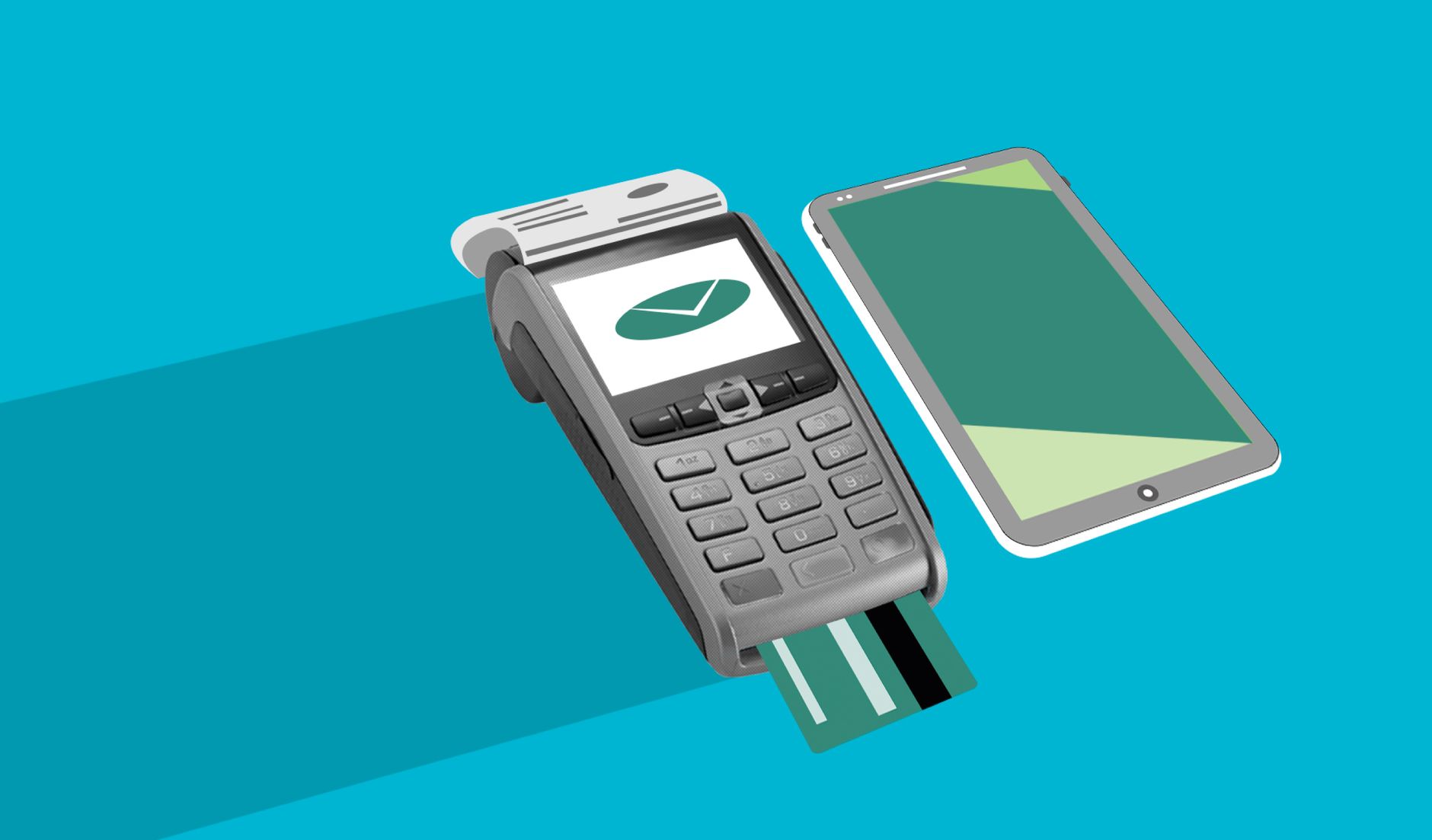

TL;DR: The UPI Lite wallet balance limit stands at ₹5,000, with an individual per-transaction transaction limit of ₹1,000. Under the latest Reserve Bank of India (RBI) guidelines, users can activate an automated auto-reload feature that automatically tops up their wallet from their linked bank account when the balance falls below a user-defined threshold, eliminating the need to enter a UPI PIN for micro-payments.
In India’s fast-paced digital ecosystem, low-value transactions form the backbone of daily commerce. Whether you are paying for local tea, daily vegetables, or bus fares, small-value payments must execute quickly and without payment failures. To address bank server congestion and improve payment success rates, the National Payments Corporation of India (NPCI) introduced UPI Lite.
As we navigate through 2026, understanding the updated UPI Lite Wallet Limits 2026 and the auto-reload mechanics is crucial for managing your daily micro-expenses efficiently. This comprehensive guide breaks down the wallet capacities, transaction caps, safety features, and configuration steps to keep your daily transactions frictionless.
What Is UPI Lite?
UPI Lite is an on-device wallet designed by the National Payments Corporation of India (NPCI) to facilitate quick, low-value transactions without requiring a UPI PIN. Unlike standard UPI, which communicates directly with your core banking servers in real-time for every transaction, UPI Lite operates directly from a secure localized wallet stored on your mobile device.
Looking to buy or compare latest prices online? View verified deals, user reviews, and discounts directly on Amazon India:
This system reduces the load on traditional banking infrastructure, lowering transaction failure rates to near zero for daily payments. It serves as a secure digital ledger on your phone, allowing you to execute instant transactions with a single tap.
Because it does not require a PIN for every transfer, it significantly speeds up checkouts at retail counters and local vendor stalls.
Why UPI Lite Wallet Limits Matter in India in 2026
The massive surge in digital payments across India has placed unprecedented stress on commercial banking servers. According to data published on the NPCI Product Statistics portal, UPI transactions in India crossed 16 billion monthly transactions early in the year, with more than 60% of these transactions falling under the ₹500 bracket.
To manage this volume, the Reserve Bank of India’s official guidelines updated the transactional parameters of UPI Lite. These updates prevent banking apps from cluttering your bank passbook with endless micro-transaction statements, making your monthly financial auditing much simpler.
📊 Key stat: Over 65% of peer-to-merchant transactions in India are under ₹500, according to NPCI transaction insights, which highlights the critical role of optimized UPI Lite wallets.
UPI Lite Wallet Limits 2026: The Complete Breakdown
The regulatory bodies have revised the limits to accommodate inflation and shifting consumer payment habits in India. The current structural limits for UPI Lite wallets are strictly defined to balance convenience with user security.
- Maximum Wallet Balance Limit: You can hold a maximum balance of ₹5,000 in your UPI Lite wallet at any single point in time.
- Per-Transaction Limit: The maximum value permitted for an individual payment without entering a UPI PIN is ₹1,000. Any transaction exceeding this amount automatically routes through your primary UPI account, requiring PIN verification.
- Daily Cumulative Transaction Limit: Users can spend up to a total of ₹4,000 per day directly out of their UPI Lite wallet.
- Auto-Reload Threshold: The auto-reload trigger can be customized, but it typically activates when your balance falls below a set threshold (typically set between ₹100 and ₹500).
These limits are set to ensure that even if a device is misplaced or compromised, the maximum potential financial exposure remains strictly capped, preserving peace of mind for the average consumer.
How UPI Lite Auto-Reload Works: Step-by-Step
The auto-reload mechanism operates under the RBI’s e-mandate framework. It allows your banking app to pull funds from your linked bank account and load them into your local UPI Lite wallet when the balance falls below your designated threshold. This occurs entirely in the background without needing manual PIN authorization during the reload process.
Step 1: Open Your UPI App
Launch your preferred UPI application (such as Google Pay, PhonePe, Paytm, or BHIM) and navigate to your profile section or the dedicated UPI Lite manager menu.
Step 2: Set Your Threshold Limit
Choose the threshold balance that triggers an automatic reload. For most Indian users, setting this trigger to ₹200 or ₹500 is highly effective for uninterrupted daily use.
Step 3: Define the Reload Amount
Specify the exact sum you want to load from your primary savings account when the threshold is breached. For example, you can set the app to reload exactly ₹1,500 every time your balance dips below ₹200.
Step 4: Authorize with UPI PIN
Confirm the auto-reload mandate by entering your secure UPI PIN once. This sets up an official e-mandate that authorizes your bank to transfer funds to your device’s wallet whenever the trigger conditions are met.
UPI Lite vs Standard UPI: Quick Comparison
| Feature | UPI Lite Wallet | Standard UPI |
|---|---|---|
| Max Wallet Balance | ₹5,000 | No wallet limit (Bank account balance) |
| Per-Transaction Limit | ₹1,000 | ₹1 Lakh to ₹5 Lakhs (depending on category) |
| UPI PIN Required? | No (for transactions under ₹1,000) | Yes (for every transaction) |
| Bank Passbook Clutter | Single entry per reload transaction | Entry for every single micro-payment |
| Offline Functionality | Partial offline debit capability | Complete online connection required |
| Auto-Reload Option | Available under RBI e-mandate | Not applicable |
Best UPI Apps Supporting UPI Lite in India
Most mainstream Indian payment applications have fully integrated the UPI Lite engine along with the auto-reload feature. Here are the leading platforms you can use:
- Google Pay (GPay) — Offers a clean interface with one-tap setup for UPI Lite. Its auto-reload configuration is highly reliable and provides prompt notifications when reloads occur.
- PhonePe — Known for high transaction success rates. PhonePe provides detailed usage graphs showing how much you save on bank statement clutter by utilizing UPI Lite.
- Paytm — Offers quick wallet activation and lets you toggle easily between Paytm Wallet, UPI, and UPI Lite on the payment screen.
- BHIM App — Developed directly by NPCI, BHIM offers clean, ad-free access to UPI Lite settings, making it highly secure and fast.
⚡ Join our VIP Telegram for Daily 70–90% Loot Deals: Don’t miss instant Amazon & Flipkart price drops, verified tech discounts, and lightning sales! 👉 Join @offers99infostore Free on Telegram ↗


![Dhanteras 2026 Silver Buying: Hallmarking Rules, Rates & Pure Coins Guide [With Calculator]](https://99infostore.com/wp-content/uploads/2026/10/dhanteras-2026-silver-buying-guide-150x150.jpg)




![Dhanteras 2026 Silver Buying: Hallmarking Rules, Rates & Pure Coins Guide [With Calculator] - 99InfoStore Festive Finance Guide](https://99infostore.com/wp-content/uploads/2026/10/dhanteras-2026-silver-buying-guide-260x140.jpg)