

TL;DR: Under current RBI and Income Tax regulations, international credit card spends and foreign remittances up to ₹7,00,000 per financial year attract 0% TCS. For foreign travel and general overseas retail spends exceeding ₹7 Lakh, a steep 20% Tax Collected at Source (TCS) is deducted upfront. You can legally avoid or mitigate this by splitting bookings across family PAN cards, booking flights via Indian portals in INR, and using Form 12BAA to adjust TCS against your monthly salary TDS.
Planning an international holiday, studying abroad, or paying for overseas SaaS subscriptions in 2026 can trigger unexpected upfront tax deductions if you are unfamiliar with the Liberalised Remittance Scheme (LRS) rules.
The 20% Tax Collected at Source (TCS) rule is often misunderstood as an extra permanent tax or surcharge. In reality, TCS is an upfront tax credit. However, having 20% of your travel budget locked away until you file your annual Income Tax Return (ITR) can severely pinch your cash flow.
In this guide, we break down the latest 2026 rules regarding international credit card spends, the ₹7 Lakh exemption threshold, education and medical concessions, and verified strategies to avoid 20% TCS.
⚡ Quick Summary: LRS & TCS Tax Slabs in 2026
| Remittance Category | Up to ₹7 Lakh / Year | Above ₹7 Lakh / Year | Key Exemption / Requirement |
|---|---|---|---|
| Overseas Tour Packages (International Travel) | 5% TCS | 20% TCS | Can be adjusted via Form 12BAA |
| Individual Foreign Spends (Shopping/Hotels) | 0% TCS | 20% TCS | Exemption up to ₹7 Lakh per PAN |
| Foreign Education (Funded via Education Loan) | 0% TCS | 0.5% TCS | Must be RBI/Bank approved loan under Sec 80E |
| Foreign Education (Self-Funded / Parents) | 0% TCS | 5% TCS | Requires university admission proof |
| Medical Treatment Abroad | 0% TCS | 5% TCS | Requires treating doctor/hospital estimate |
1. Credit Cards vs Debit & Forex Cards: What is the Rule in 2026?
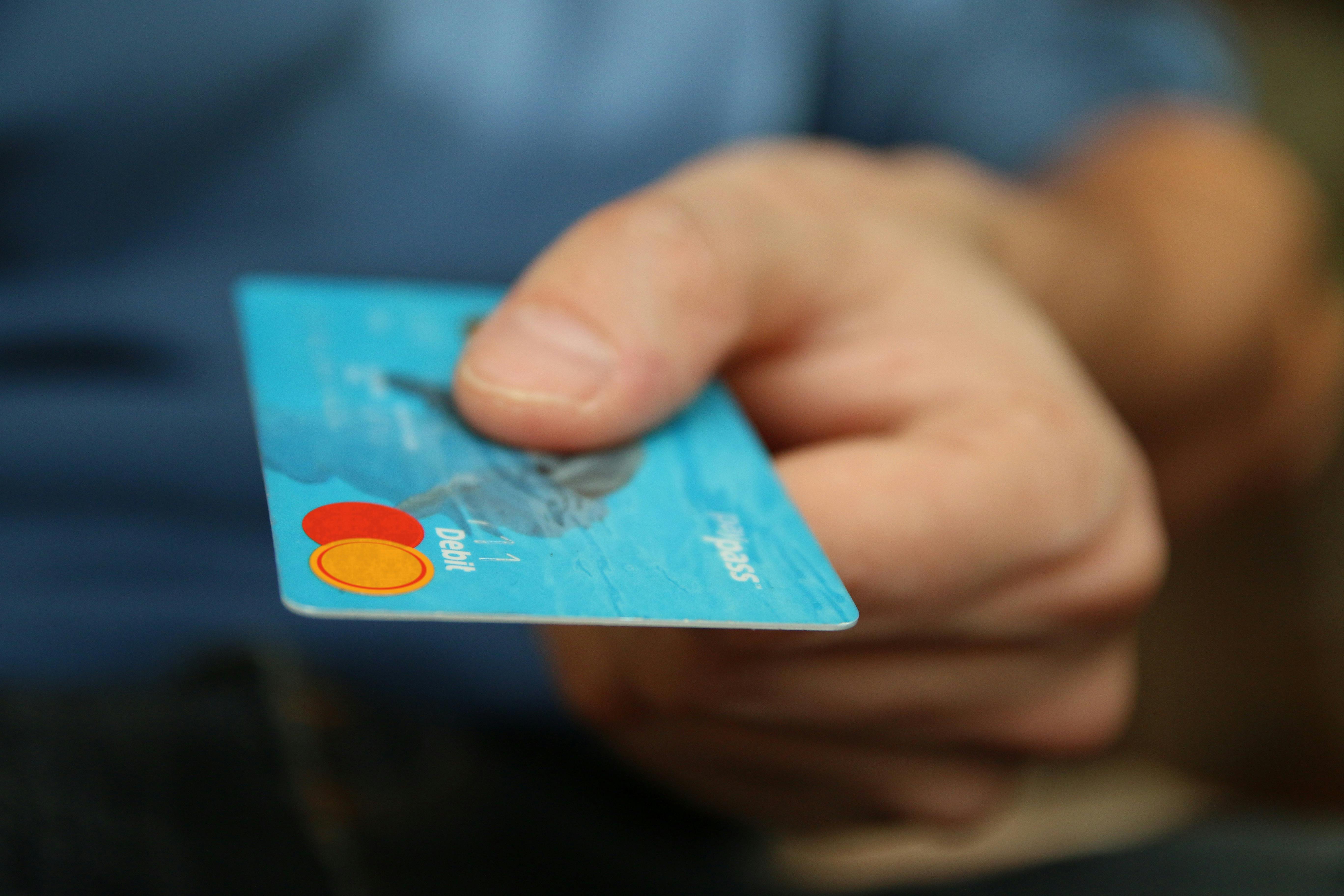
A major source of confusion among Indian globetrotters is whether international credit cards fall under the ₹7 Lakh LRS limit.
- Debit Cards and Multi-Currency Forex Cards: Every swipe abroad or online foreign currency transaction is automatically tracked against your PAN and reported to the RBI under LRS. Once your total outward remittances cross ₹7 Lakh in an April-to-March financial year, banks mandate a 20% upfront TCS deduction.
- International Credit Cards Swiped Abroad: The Ministry of Finance previously deferred the formal integration of international credit card physical spends into the LRS framework to give banks time to upgrade tracking infrastructure. However, high-value foreign credit card spends exceeding ₹10 Lakh in a year are reported by card issuers directly to the Income Tax Department through Statement of Financial Transactions (SFT).
- Foreign E-Commerce from India (SaaS, Courses, Subscriptions): When paying for ChatGPT Plus, Claude Pro, Midjourney, or AWS from India using an Indian credit card, payments processed via international merchant gateways count as foreign currency transactions.
2. Top 5 Legal Ways to Avoid or Minimize 20% TCS in 2026
You do not need to let 20% of your travel savings remain stuck with the tax department. Use these five verified financial strategies:
Strategy 1: Split Spends Across Family PAN Cards
The ₹7,00,000 threshold applies per individual PAN, not per household.
- If a family of three (husband, wife, and adult child) is planning a European or US holiday costing ₹15 Lakh:
* Person A pays ₹5 Lakh for flight tickets and insurance (0% TCS).
* Person B pays ₹5 Lakh for luxury hotels and Eurail passes (0% TCS).
* Person C pays ₹5 Lakh for activities and shopping (0% TCS).
- Result: Total TCS paid is ₹0, saving you an upfront cash outflow of ₹3,00,000.
Strategy 2: Book Flights & Hotels Through Indian OTAs in INR
When you book international hotel stays or flights via platforms registered in India (such as MakeMyTrip, EaseMyTrip, Yatra, or Agoda India) and pay in Indian Rupees (INR):
- The transaction is classified as a domestic merchant payment.
- No LRS tracking or TCS deduction applies, leaving your entire ₹7 Lakh foreign currency quota untouched for cash withdrawals and dining abroad.
Strategy 3: Submit Form 12BAA to Your Employer (Instant Monthly Relief)
In a landmark relief for salaried professionals, the Income Tax Department introduced Form 12BAA:
- If your bank deducts TCS on a foreign tour or education remittance, you no longer have to wait 12 months for your ITR refund.
- Submit the bank’s TCS Certificate (Form 27D) to your company’s HR/Payroll department along with Form 12BAA.
- Your employer is legally required to reduce your monthly Tax Deducted at Source (TDS) from your salary, immediately returning your cash into your monthly paychecks!
Strategy 4: Use Zero-Forex Markup Credit Cards
While TCS is an adjustable tax, the 3.5% + 18% GST foreign exchange markup charged by legacy banks is a permanent, non-refundable loss. Always carry dedicated zero-markup travel credit cards:
- Scapia Federal Bank Credit Card: 0% forex markup on all overseas transactions + unlimited domestic lounge access.
- IDFC FIRST WOW Credit Card: 100% FD-backed zero-forex card accessible without income proof.
- RBL World Safari Credit Card: 0% markup on international POS swipes.
Strategy 5: Use Education Loans for University Fees
If paying tuition fees for universities in the US, UK, Canada, or Australia:
- Self-funded remittances attract 5% TCS above ₹7 Lakh.
- Funding the tuition fee through a sanctioned education loan from a scheduled Indian bank slashes the TCS rate down to just 0.5%, while qualifying the interest for a 100% tax deduction under Section 80E.
3. How to Check Your TCS Balance and Claim a Refund

TCS deducted by your bank does not vanish into thin air. It is deposited directly against your Permanent Account Number (PAN):
- Verify on Form 26AS & AIS: Within 15–30 days of the transaction, log into the official Income Tax portal (
eportal.incometax.gov.in) and download your Annual Information Statement (AIS). Your TCS deduction will be listed under Section 206C. - Adjust Against Advance Tax: If you have business income, capital gains, or freelancing income, you can deduct the TCS amount from your quarterly Advance Tax liability.
- Claim in Annual ITR: When filing your annual Income Tax Return (ITR-1 or ITR-2), the portal pre-fills your TCS credits. If your total tax liability for the year is zero or less than the TCS collected, the Income Tax Department deposits the entire excess amount directly into your validated bank account with 0.5% per month refund interest.
❓ Frequently Asked Questions (FAQ)
Is 20% TCS an additional permanent expense?
No. TCS is not an additional tax; it is an advance tax collection. The full 20% amount is credited to your PAN and can be adjusted against your annual income tax liability or refunded with interest when filing your ITR.
Does the ₹7 Lakh limit apply per credit card or per PAN?
The ₹7,00,000 threshold applies per PAN across all banks combined. If you spend ₹4 Lakh using an HDFC credit card and ₹4 Lakh using an ICICI forex card, your total remittance is ₹8 Lakh, and the final ₹1 Lakh will attract TCS.
Are digital software subscriptions like ChatGPT and Netflix subject to TCS?
Personal international recurring subscriptions billed in foreign currency (USD/EUR) technically count as outward remittances. However, if billed by the platform’s Indian entity in INR (e.g., Netflix India), zero TCS applies.
Can parents claim back TCS deducted on their child’s overseas education?
Yes. If the parent is the remitter whose PAN was used for the bank transfer, the TCS certificate is generated in the parent’s name and can be adjusted against the parent’s income tax liability or claimed as an ITR refund. — Generated: Wed Sep 30 17:25:00 IST 2026 Category: Finance Meta: How to avoid 20% TCS on international credit cards and foreign travel in 2026. Learn LRS ₹7 Lakh rules, Form 12BAA salary adjustments & zero-forex cards. Keywords: 20 percent tcs credit card rules 2026, avoid 20 tcs international travel, lrs 7 lakh exemption limit, form 12baa tcs salary Status: READY TO PUBLISH








1 comment
📥 Get our “Top 50 AI Tools to Make Money (PDF)” — ₹199 – ₹499 at https://99infostore.com/product/top-50-ai-tools-pdf