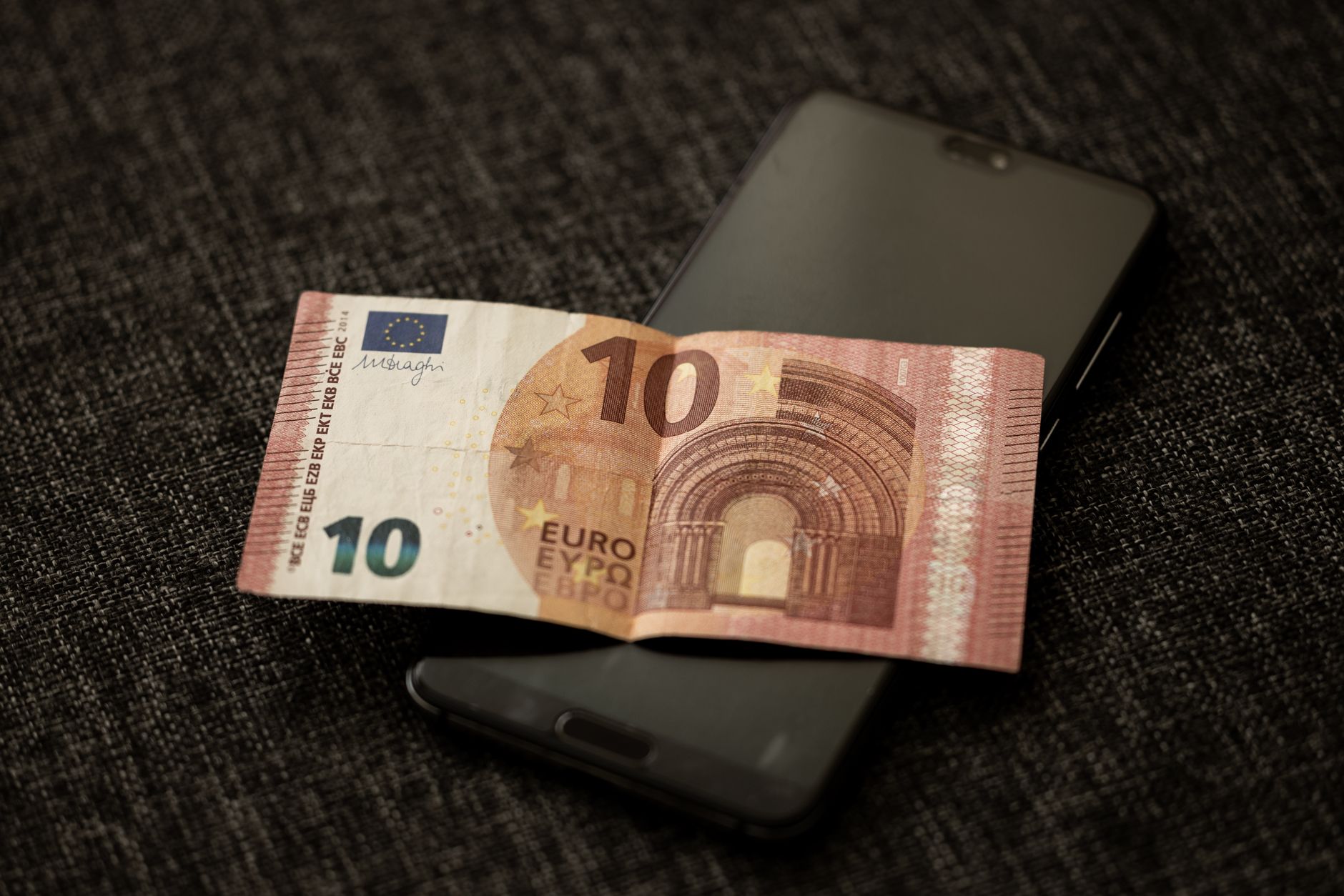

TL;DR: UPI dominates transaction volume in India with zero MDR charges, making it cost-free for users. Digital wallets like Paytm and PhonePe offer cashback, rewards, and merchant discounts that UPI currently does not. For earning more, digital wallets edge ahead — but UPI wins on reach and zero fees.
India’s digital payments ecosystem crossed ₹20 lakh crore in monthly transaction value in early 2026, and the debate between UPI and digital wallets has never been sharper. Whether you’re a freelancer, small business owner, or daily commuter, choosing the right payment method directly affects how much money stays in — or flows into — your pocket. UPI vs digital wallet is not just a convenience question anymore. It’s a financial strategy question. This guide breaks down which one actually pays more in 2026.
What Is UPI vs Digital Wallet?
UPI (Unified Payments Interface) is a real-time interbank payment system built by the National Payments Corporation of India (NPCI) that allows instant fund transfers directly between bank accounts using a virtual payment address (VPA).
A digital wallet, on the other hand, is a prepaid account stored on an app — like Paytm, PhonePe Wallet, or Amazon Pay — where you load money first and then spend from that stored balance. Both systems move money digitally, but their architecture, fee structures, and reward mechanisms are fundamentally different.
UPI links directly to your savings or current account at a bank. There is no float — money leaves your account the moment you pay. Digital wallets hold your money inside the app ecosystem, which is precisely what enables those cashback and loyalty reward programs that UPI cannot replicate at scale.
Understanding this architectural difference is the key to knowing which one “pays” more in your specific situation.

Why UPI vs Digital Wallet Matters in India in 2026
India processed over 18.41 billion UPI transactions worth ₹23.25 lakh crore in December 2025 alone, according to NPCI data. That momentum has only accelerated into 2026, with UPI now accounting for over 80% of all digital payment transactions in the country.
📊 Key stat: India’s digital payments market is projected to reach $10 trillion by 2026, per a NASSCOM-BCG report published in 2024.
Yet digital wallets are not dead. Paytm’s wallet division reported a 22% YoY increase in rewards redemption in Q3 2025. Amazon Pay and PhonePe wallet continue to run aggressive cashback campaigns targeting Tier-2 and Tier-3 cities where UPI literacy is growing but wallet stickiness remains high.
For Indian consumers, the real question is financial: zero-fee UPI versus reward-bearing wallets. For business owners, it flips: UPI has zero Merchant Discount Rate (MDR), while wallet settlements can carry 0.5%–2% charges depending on the provider. The NPCI’s official UPI guidelines confirm that UPI-to-bank transactions carry 0% MDR — a government mandate in place since January 2020.
This difference compounds significantly at scale. A kirana store processing ₹5 lakh per month saves ₹2,500–₹10,000 monthly by using UPI over wallet settlements.
How UPI and Digital Wallets Work: Step-by-Step
Step 1: Setting Up Your Payment Method
UPI: Download any UPI-enabled app (PhonePe, Google Pay, BHIM, Paytm UPI). Link your bank account, verify with your debit card details, and set a 4–6 digit UPI PIN. No money is loaded — it draws directly from your bank.
Digital Wallet: Download the app (Paytm, Amazon Pay, Freecharge). Complete KYC using Aadhaar or PAN (mandatory for wallets above ₹10,000 limit per RBI rules). Load money via UPI, net banking, or debit card.
Step 2: Making a Payment
UPI: Scan QR code or enter VPA. Confirm amount. Enter UPI PIN. Transfer is instant and irreversible. Works 24/7/365 including bank holidays.
Digital Wallet: Scan merchant QR or enter phone number. Payment deducts from your wallet balance. If balance is insufficient, you top up first — adding a friction step that UPI eliminates entirely.
Step 3: Earning Rewards or Cashback
UPI: Rewards are app-level only (Google Pay Stamps, PhonePe scratch cards). NPCI does not mandate or fund any UPI cashback. Rewards are funded by the apps themselves and are shrinking as app profitability pressure increases in 2026.
Digital Wallet: Cashback is funded by the wallet float — companies earn interest on your pre-loaded money. This gives them a structural incentive to offer you better rewards consistently. Paytm Wallet users, for example, receive 1%–5% cashback on specific merchant categories as of Q1 2026.

UPI vs Digital Wallet: Quick Comparison
| Feature | UPI | Digital Wallet |
|---|---|---|
| Transaction cost (user) | ₹0 | ₹0–₹5 loading fee |
| MDR for merchants | 0% | 0.5%–2% |
| Cashback / Rewards | Low (app-funded) | High (wallet float-funded) |
| KYC requirement | Bank KYC (existing) | Separate Aadhaar/PAN KYC |
| Works without internet | No (needs live connection) | Limited offline mode |
| Transaction limit/day | ₹1 lakh–₹5 lakh (bank-set) | ₹10,000–₹2 lakh (RBI-set) |
| India bank coverage | All 500+ banks | Wallet-specific only |
| International use | Limited (now expanding) | Very limited |
| Ease of use | ⭐⭐⭐⭐⭐ | ⭐⭐⭐⭐ |
| Best for earning | ⭐⭐⭐ | ⭐⭐⭐⭐⭐ |
Best UPI and Digital Wallet Options in India 2026
1. PhonePe (UPI + Wallet) — India’s most downloaded payments app with 560 million+ registered users as of 2026. The UPI layer is seamless, while the wallet arm offers insurance and gold purchasing. Scratch card rewards average ₹2–₹10 per eligible transaction.
2. Google Pay (UPI-only) — The cleanest UPI experience with zero ads and fastest transfer speeds in independent tests. Google Pay Stamps offer periodic rewards tied to specific merchants but do not run a wallet. Best for users who want zero friction.
3. Paytm Wallet — Despite regulatory turbulence in 2024, Paytm’s wallet remains the most feature-rich in India. Cashback on bill payments, movie tickets (BookMyShow integration), and Fastag recharges consistently runs 2%–5%. Full-KYC wallet limit is ₹2 lakh.
4. Amazon Pay Wallet — Strongest rewards for Amazon shoppers. Offers up to 5% cashback on Amazon.in purchases when paying via Amazon Pay balance. Works as UPI too (Amazon Pay UPI), giving you the best of both worlds if you shop on Amazon frequently.
5. BHIM (UPI-only) — Built by NPCI, fully government-backed. Zero rewards but highest trust factor for large transfers. Ideal for peer-to-peer transfers above ₹50,000 where you want no intermediary app risk.
How to Make More Money Using UPI and Digital Wallets in India
Here is where strategy separates smart users from average ones. You do not have to pick one — you stack both.
The Stacking Strategy: Use a digital wallet for daily small-ticket purchases (coffee, groceries, fuel) where 2%–5% cashback adds up fast. Use UPI for all transfers above ₹5,000 to avoid any loading fees and to stay within bank-grade security.
A user spending ₹15,000/month on wallet-eligible categories at 3% average cashback earns ₹450/month — or ₹5,400/year — in pure cashback. That is not passive income, but it is real money that UPI alone will not give you.
For Business Owners: Accept UPI exclusively for in-store payments. Zero MDR means your ₹50 lakh annual revenue saves ₹25,000–₹1,00,000 versus accepting wallet payments. Use this saved margin to offer your own customer discounts.
For Freelancers and Creators: Platforms like Razorpay and Cashfree now support both UPI and wallet payouts. If you want to make money online using digital tools, the payment infrastructure is just the start.
💡 Pro tip: We recommend tracking your monthly cashback with ET Money — it auto-categorizes your UPI spends and shows you exactly which merchant categories are costing vs rewarding you. Indian users save an average of ₹3,200/year just by optimizing spend categories.
If you want to go beyond cashback and build real digital income streams in 2026, the payment method is just one piece. Knowing which AI tools to deploy for content creation, affiliate marketing, and digital product sales multiplies your earning potential. Check out our guide to best AI tools for Indian freelancers to see which tools are paying off in 2026.
For those interested in growing their wealth on top of digital savings, tracking your investments alongside cashback is smart. Our post on how to start investing in mutual funds covers the basics for first-time Indian investors.
Frequently Asked Questions
Q: Is UPI safer than a digital wallet for large transfers in India 2026?
A: Yes. UPI transfers directly between bank accounts regulated by RBI, with two-factor authentication via UPI PIN. Digital wallets carry a small counterparty risk if the wallet provider faces regulatory action. For amounts above ₹50,000, UPI is the safer choice.
Q: Which digital wallet gives the highest cashback in India right now?
A: Amazon Pay offers up to 5% cashback on Amazon purchases. Paytm Wallet offers 2%–5% on bill payments and specific merchant categories. Cashback rates vary by campaign and are updated monthly. Always check the app’s offer section before paying.
Q: Can I earn from UPI referrals in India?
A: Yes. Google Pay, PhonePe, and Paytm all run referral programs offering ₹50–₹200 per successful referral. Limits apply — typically 10–20 referrals per account. PhonePe’s referral program as of early 2026 pays ₹100 per new user who completes a transaction.
Q: What is the RBI limit on digital wallets in India?
A: As per RBI’s Prepaid Payment Instruments guidelines, a minimum KYC wallet allows up to ₹10,000 balance. A full KYC wallet (Aadhaar + PAN verified) allows up to ₹2 lakh balance and unlimited transactions within that cap.
Q: Does UPI work internationally for Indian users in 2026?
A: UPI now works in 7+ countries including Singapore, UAE, France, and Nepal through NPCI’s international rollout. However, international UPI acceptance is still limited compared to cards. For overseas payments, a credit card with zero forex markup remains more practical.
Conclusion
In the UPI vs digital wallet debate for 2026, the answer depends on what “pays more” means to you. UPI wins on zero cost, maximum bank coverage, and simplicity — it is the infrastructure of India’s digital economy. Digital wallets win on cashback, rewards, and merchant offers — especially for high-frequency small-ticket spenders.
The smartest move is not picking one. Stack both: UPI for large transfers and business receipts, digital wallet for daily spend categories with active cashback offers. A disciplined user can realistically earn ₹4,000–₹7,000 per year in cashback on a ₹20,000/month spend budget.
India’s digital payments space will keep evolving — NPCI is already piloting UPI credit lines and UPI-linked rewards in 2026. Stay ahead of these changes by following authoritative sources like SEBI’s investor awareness portal and RBI’s digital payments guidelines.
Want to take your digital earnings further? Learn the AI tools that India’s top creators are using to monetize online — from affiliate marketing to digital product sales.
📥 Want the full toolkit? Get our Top 50 AI Tools to Make Money (PDF) — starting at ₹199. Curated specifically for Indian creators, freelancers, and side-hustle builders in 2026.








1 comment
📥 Get our “Top 50 AI Tools to Make Money (PDF)” — ₹199 – ₹499 at https://99infostore.com/product/top-50-ai-tools-pdf