Dallas Mavericks superstar Luka Doncic is currently navigating the uncertainty of a hamstring injury, a development that has sent ripples through the NBA. A prominent sports physician has offered a detailed breakdown of the potential outcomes, ranging from a swift return to a significantly prolonged absence, underscoring the critical nature of the initial diagnosis and subsequent rehabilitation.
Background: Luka Doncic’s Pivotal Role and Hamstring Injury Context
Luka Doncic, the Slovenian sensation, has cemented his status as one of the NBA's preeminent talents since being drafted by the Dallas Mavericks in 2018. His unique blend of scoring, playmaking, and rebounding has made him the undisputed cornerstone of the franchise, carrying a significant offensive burden game after game. Doncic’s consistently high usage rate and demanding playing style inherently place considerable stress on his body, particularly his lower extremities, which are crucial for explosive movements, changes of direction, and sustained athletic performance on the basketball court.
Throughout his career, Doncic has battled various minor ailments, ranging from ankle sprains to knee issues, demonstrating a resilience often required of high-volume players. However, hamstring injuries, specifically, present a distinct challenge due to their propensity for recurrence and the delicate balance required in their recovery. Hamstrings are a group of three muscles located at the back of the thigh – the semitendinosus, semimembranosus, and biceps femoris. These muscles are vital for knee flexion and hip extension, movements fundamental to basketball actions like sprinting, jumping, and cutting.
The incident leading to the current concern occurred during a crucial stretch of the NBA season, with the Mavericks vying for playoff positioning. Details surrounding the exact moment of injury are often subtle in muscle strains; sometimes, it's a sudden pull during an explosive movement, other times a gradual onset of tightness that escalates. Initial reports from the team indicated a degree of hamstring soreness or strain, prompting immediate medical evaluation and a period of rest. The precise location and severity of the strain are paramount in determining the recovery pathway. Muscle strains are graded from 1 to 3: a Grade 1 is a mild pull or strain, a Grade 2 involves a partial tear, and a Grade 3 is a complete rupture. Each grade carries a vastly different prognosis and recovery timeline, making the initial diagnostic imaging, typically an MRI, a critical step. The Mavericks' medical staff, in conjunction with external specialists, would be meticulously assessing these factors to formulate a precise treatment plan tailored to Doncic's specific injury.
Key Developments: Medical Expert’s Scenarios and Diagnostic Insights
The core of the current discussion revolves around the insights provided by a prominent sports physician, who, while not directly involved with the Mavericks, offers a valuable perspective based on extensive experience with elite athletes and similar injuries. This expert's analysis delineates two primary paths for Luka Doncic's hamstring injury: the best-case scenario and the worst-case scenario. These scenarios are not mere predictions but rather informed projections based on the typical progression and potential complications of hamstring strains in professional basketball players.
Best-Case Scenario: Minor Strain and Rapid Return
In the optimistic best-case scenario, the physician suggests that Doncic's hamstring injury would be classified as a low-grade strain, most likely a Grade 1. This would imply a relatively minor overstretching or microscopic tearing of muscle fibers, without significant structural damage.
Diagnosis and Initial Management:
For a Grade 1 strain, diagnostic imaging, such as an MRI, would reveal minimal edema (swelling) and no discernible fascial disruption or significant fiber tearing. The initial sensation for Doncic would have been tightness or a mild "twinge" rather than a sharp, debilitating pain. Treatment would immediately focus on the RICE protocol: Rest, Ice, Compression, and Elevation, to manage inflammation and pain. Anti-inflammatory medications might also be prescribed.
Rehabilitation Protocol:
The rehabilitation for a Grade 1 strain is typically conservative and progressive. The initial phase would involve active rest, meaning avoiding activities that exacerbate the pain, but engaging in gentle, pain-free movements to maintain range of motion and prevent stiffness. This quickly transitions into a phase of controlled loading. Physiotherapy would include light stretching, isometric exercises (muscle contractions without movement), and gentle strengthening exercises targeting the hamstring muscles and surrounding gluteal and core musculature. Emphasis would be placed on eccentric strengthening, which involves lengthening the muscle under tension, as this is crucial for injury prevention and performance in explosive sports.
Return to Play Timeline:
Under this best-case scenario, the recovery timeline would be relatively short, often ranging from one to three weeks. Doncic would gradually progress through functional drills, starting with light jogging, then increasing speed, incorporating changes of direction, and eventually returning to full-intensity basketball activities. The key indicators for return to play would be full, pain-free range of motion, symmetrical strength compared to the uninjured leg, and successful completion of sport-specific drills without discomfort. The physician emphasizes that a cautious, step-by-step approach is still vital even for a minor strain to prevent premature return and subsequent re-injury. The goal would be a full return to the court with no lingering effects or increased risk of recurrence.
Worst-Case Scenario: Significant Tear, Prolonged Absence, and Complications
The worst-case scenario paints a far more concerning picture, involving a higher-grade strain, potentially a Grade 2 or even a rare Grade 3 tear. This would involve a more substantial disruption of the muscle fibers, impacting both the immediate future and potentially the long-term health of Doncic.
Diagnosis and Initial Management:
A Grade 2 strain implies a partial tear of the muscle fibers, while a Grade 3 is a complete rupture. Diagnostic imaging for these scenarios would show significant edema, a clear gap or discontinuity in the muscle fibers, and potentially a hematoma (blood collection). The initial pain for Doncic would have been sharp, immediate, and potentially incapacitating, making it difficult to bear weight or move the leg normally. The immediate management would still involve RICE, but with a greater emphasis on protecting the injured area from further damage. Crutches might be necessary to offload the limb.
Rehabilitation Protocol:
Rehabilitation for a higher-grade strain is considerably more extensive and prolonged. For a Grade 2 tear, the initial phase would focus on pain and swelling management, often requiring a longer period of relative rest. Once acute symptoms subside, a very gradual progression of stretching and strengthening exercises would begin. The muscle needs time to heal and scar tissue to form and remodel, which can take several weeks. The exercises would mirror those for a Grade 1 but with significantly reduced intensity and a slower progression.
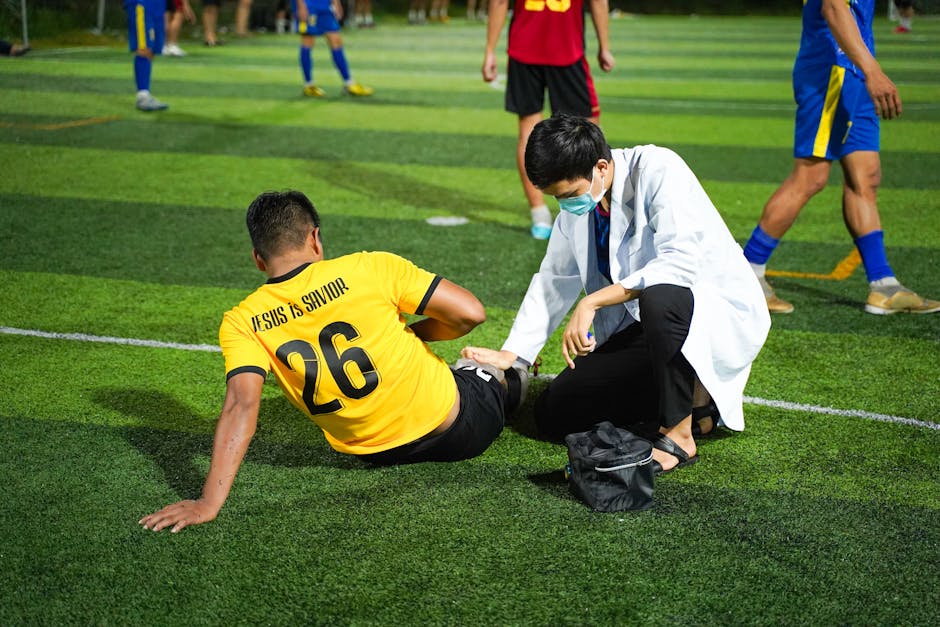
For a Grade 3 tear, surgical intervention might even be considered, particularly if the tear is at the muscle-tendon junction or involves significant retraction of the muscle belly. Surgery would involve reattaching the torn ends of the muscle or tendon. If surgery is performed, the recovery process becomes even more arduous, involving an initial immobilization period, followed by months of intensive physical therapy.
Return to Play Timeline and Potential Complications:
The recovery timeline for a Grade 2 strain typically ranges from four to eight weeks, sometimes extending beyond that depending on the severity and individual healing. For a Grade 3 tear, non-surgical recovery can take three to six months, while surgical recovery often spans six months to a year.
Beyond the immediate absence, the worst-case scenario carries several significant complications:
* Re-injury Risk: Hamstring strains, especially higher-grade ones, have a notoriously high re-injury rate. Returning to play too soon, or without adequate strength and flexibility, significantly increases this risk. A re-injury is often more severe than the initial injury and further prolongs recovery.
* Chronic Pain and Stiffness: Incomplete healing or inadequate rehabilitation can lead to chronic pain, stiffness, and reduced flexibility in the affected limb, impacting performance and overall quality of life.
* Scar Tissue Formation: Significant tears lead to the formation of scar tissue, which is less elastic and more prone to re-injury than healthy muscle tissue. Proper rehabilitation aims to optimize scar tissue alignment and flexibility.
* Performance Impairment: Even after returning to play, an athlete might experience a psychological barrier or a subtle loss of explosiveness, speed, or agility, particularly in the initial phases, impacting their elite-level performance.
* Compensatory Injuries: To protect the injured hamstring, an athlete might subconsciously alter their biomechanics, placing undue stress on other muscles or joints, potentially leading to new injuries in the back, opposite leg, or knee.
The physician stressed that the precise location of the tear also influences prognosis. Tears closer to the ischial tuberosity (the bone at the base of the pelvis where the hamstrings originate) or the knee tend to be more problematic and have longer recovery times compared to tears in the muscle belly. The initial assessment and imaging are therefore paramount in understanding which of these complex scenarios Doncic might be facing.
Impact: Ripple Effects Across Doncic, Mavericks, and the NBA
The trajectory of Luka Doncic's hamstring injury, whether it follows the best-case or worst-case scenario, will inevitably cast a wide net of impact, affecting the player himself, the Dallas Mavericks franchise, and the broader landscape of the National Basketball Association. The stakes are particularly high given Doncic's singular importance to the team and the critical juncture of the NBA season.
Impact on Luka Doncic
Physical and Mental Toll:
Regardless of the severity, any injury to a high-performance athlete like Doncic carries a significant physical and mental burden. Physically, even a minor strain requires dedicated rehabilitation, pain management, and a cautious return to activity. A more severe tear could mean weeks or months of grueling physical therapy, potentially involving immobilization, restricted movement, and a slow, painful rebuilding of strength and function. The psychological aspect is equally challenging. Elite athletes often struggle with the frustration of being sidelined, the fear of re-injury, and the pressure to return quickly. Maintaining mental fortitude, patience, and a positive outlook throughout the recovery process is crucial for a successful return. The feeling of helplessness from not being able to contribute to the team can be particularly taxing for a competitor of Doncic's caliber.
Career Trajectory and Long-Term Health:
For a player still in his prime, a hamstring injury, especially a severe one, can raise questions about long-term health and career longevity. Recurrent hamstring issues can lead to chronic problems, potentially reducing explosiveness or leading to compensatory injuries. While modern sports medicine is highly advanced, the body's capacity for healing has limits. A prolonged absence or a series of re-injuries could subtly alter Doncic's playing style or impact his ability to maintain his current level of dominance over many years. Furthermore, the timing of such an injury, especially as he approaches potential contract extensions or supermax eligibility, could have indirect financial implications, though unlikely for a player of his stature unless it became a chronic, debilitating issue.
Impact on Dallas Mavericks
Immediate Team Performance and Playoff Hopes:
Luka Doncic is the undisputed engine of the Dallas Mavericks' offense, often leading the team in points, assists, and rebounds. His absence, even for a few games, significantly alters the team's offensive identity and overall effectiveness. In the best-case scenario of a swift return, the Mavericks might weather a short storm, relying heavily on Kyrie Irving and other role players to maintain competitiveness. However, a prolonged absence (worst-case scenario) would be catastrophic for their playoff aspirations. The team's offensive rating would likely plummet, and their ability to generate high-quality shots would be severely hampered. Competing for a favorable playoff seed, or even securing a play-in tournament spot, would become an uphill battle. The entire coaching strategy, offensive schemes, and player rotations would need a drastic overhaul, putting immense pressure on Coach Jason Kidd and the remaining roster.
Strategic Adjustments and Player Roles:
Without Doncic, other players would be forced into expanded roles. Kyrie Irving would undoubtedly assume primary ball-handling and scoring responsibilities, facing increased defensive attention. Players like Tim Hardaway Jr., Derrick Jones Jr., and Grant Williams would need to elevate their offensive contributions and efficiency. The team's offensive flow, which often relies on Doncic's unique ability to create something out of nothing, would need to become more structured and reliant on collective execution. Defensively, the team might need to compensate for offensive struggles by tightening up their perimeter defense and protecting the paint more effectively. The pressure on young players and role players to perform consistently would intensify.
Financial and Organizational Implications:
While direct financial impact from one player's injury is complex for an NBA franchise, a significant absence can indirectly affect ticket sales, merchandise revenue, and overall fan engagement. More importantly, from an organizational standpoint, a severe injury to their cornerstone player impacts long-term planning. It could influence trade decisions, free agency targets, and draft strategy. If the team's playoff hopes diminish significantly, it might alter their approach to the trade deadline or their willingness to invest further in the current roster. The perception of the franchise's stability and future prospects can also be subtly affected, impacting recruitment of future talent.
Impact on the NBA
League Narrative and Playoff Picture:
The NBA thrives on its star players, and Doncic is a marquee attraction. His absence, particularly during the crucial late-season stretch or playoffs, would diminish the overall excitement and quality of league play. For fans, the prospect of watching a Doncic-less Mavericks team is less appealing. From a competitive standpoint, his absence could significantly alter the Western Conference playoff race, potentially benefiting other teams vying for higher seeds. The narrative surrounding the playoffs would shift, focusing less on a potential deep run for Dallas and more on the challenges faced by the remaining contenders.
Media Coverage and Fan Engagement:
Media outlets, broadcasters, and sports analysts would dedicate extensive coverage to Doncic's injury status, rehabilitation progress, and the Mavericks' performance in his absence. Fan engagement, while still present, might shift from optimistic anticipation to anxious waiting. The collective excitement generated by Doncic's highlight-reel plays and clutch performances would be missed, impacting viewership for Mavericks games and potentially national broadcasts involving the team. The broader impact highlights how interconnected the success of individual stars is with the overall health and appeal of the league.
What Next: Road to Recovery and Future Outlook
The immediate future for Luka Doncic and the Dallas Mavericks is centered on precise diagnosis, diligent rehabilitation, and a cautious, evidence-based approach to his return to play. The pathway forward will be dictated by the initial severity of the hamstring strain, with distinct milestones and considerations for both the best-case and worst-case scenarios.
Immediate Steps: Diagnosis and Assessment
The first and most critical step following the initial injury is a comprehensive medical evaluation. This includes:
* Clinical Examination: A thorough physical assessment by the team's medical staff and consulting physicians to evaluate pain levels, range of motion, strength, and any palpable defects in the muscle.
* Imaging Studies: An MRI (Magnetic Resonance Imaging) scan is the gold standard for diagnosing hamstring strains. It provides detailed images of soft tissues, allowing medical professionals to accurately determine the grade of the strain (Grade 1, 2, or 3), the exact location of the tear, and the extent of any muscle fiber disruption, edema, or hematoma. This imaging is crucial in differentiating between the best-case (Grade 1) and worst-case (Grade 2 or 3) scenarios.
* Functional Assessment: Evaluating how the injury impacts basic movements and activities of daily living.
Based on these findings, the medical team will establish a definitive diagnosis and prognosis, which will then inform the entire rehabilitation strategy.
Rehabilitation Phases and Milestones
The rehabilitation process for a hamstring injury is typically structured into progressive phases, each with specific goals and criteria for advancement.
Phase 1: Acute Management (Days 1-7 for Grade 1; longer for higher grades)
* Goal: Reduce pain and inflammation, protect the injured tissue.
* Activities: RICE protocol (Rest, Ice, Compression, Elevation), gentle, pain-free range of motion exercises, non-weight-bearing exercises if necessary (e.g., crutches for Grade 2/3).
* Milestones: Significant reduction in pain and swelling, ability to perform gentle movements without discomfort.
Phase 2: Sub-Acute Healing and Early Strengthening (Weeks 1-3 for Grade 1; Weeks 2-6 for Grade 2)
* Goal: Restore pain-free range of motion, begin gentle strengthening, promote scar tissue healing.
* Activities: Progressive stretching (static and dynamic), isometric hamstring exercises, gentle concentric and eccentric strengthening exercises (e.g., glute bridges, leg curls with light resistance), core strengthening, hip mobility exercises.
* Milestones: Full, pain-free passive and active range of motion, ability to bear weight comfortably, initiation of low-impact cardiovascular activities (e.g., stationary bike).
Phase 3: Advanced Strengthening and Neuromuscular Control (Weeks 2-4 for Grade 1; Weeks 4-12 for Grade 2)
* Goal: Restore full strength, power, endurance, and neuromuscular control.
* Activities: Progressive resistance training for hamstrings, glutes, and core, sport-specific drills at low intensity, agility drills (e.g., ladder drills, cone drills), plyometrics (jumping exercises) with gradual progression. Eccentric strengthening remains a key focus.
* Milestones: Symmetrical strength compared to the uninjured leg (often measured with dynamometry), successful completion of moderate-intensity agility and plyometric drills without pain or apprehension.
Phase 4: Return to Sport (Weeks 3-6 for Grade 1; Weeks 8-16+ for Grade 2; Months for Grade 3)
* Goal: Safely return to full competition.
* Activities: Gradual reintroduction to full-intensity basketball practice, scrimmages, full-speed sprinting, changes of direction, jumping, and landing mechanics. Emphasis on sport-specific movement patterns and high-intensity drills.
* Milestones: Full participation in team practices without limitations, successful completion of sport-specific functional tests (e.g., hop tests, agility tests), psychological readiness to compete, and absence of pain or compensatory movements during high-intensity activities.
For a Grade 3 tear, the timeline for these phases would be significantly extended, potentially involving an initial period of immobilization or even surgery, followed by a much longer and more conservative progression through each stage, stretching into many months.
Return to Play Protocols and Prevention
The decision to clear Doncic for return to play will not be solely based on time but rather on objective criteria and functional readiness. The medical and performance staff will conduct rigorous testing to ensure he meets specific benchmarks for strength, power, flexibility, and endurance. This often includes:
* Isokinetic Testing: Measuring hamstring strength and power at various speeds, comparing it to the uninjured leg and baseline data.
* Functional Movement Screens: Assessing movement quality and identifying any lingering deficits or compensatory patterns.
* Sport-Specific Drills: Gradually increasing intensity and complexity of basketball movements to simulate game conditions.
A critical aspect of return to play is injury prevention. Once Doncic is back on the court, ongoing efforts will be made to minimize the risk of re-injury. This includes:
* Continued Strength and Conditioning: Maintaining hamstring strength, particularly eccentric strength, and balancing it with quadriceps strength.
* Flexibility and Mobility Work: Regular stretching, foam rolling, and mobility exercises.
* Load Management: Monitoring his playing time, practice intensity, and overall workload to prevent overtraining and fatigue, which are risk factors for muscle strains.
* Biomechanical Analysis: Potentially using advanced motion capture technology to identify and correct any subtle movement patterns that might predispose him to injury.
* Nutritional and Recovery Strategies: Optimizing diet, hydration, sleep, and other recovery modalities to support muscle health and repair.
Broader Implications for the Mavericks’ Season
The specific timeline for Doncic's return will directly influence the Mavericks' strategy for the remainder of the season.
* Best-Case (Short Absence): If Doncic misses only a handful of games, the Mavericks would aim to hold their ground, relying on Kyrie Irving's leadership and increased contributions from the supporting cast. They would then reintegrate Doncic carefully, hoping to build momentum into the playoffs with their full complement of talent.
* Worst-Case (Long Absence): A prolonged absence would force the Mavericks to recalibrate their season goals. They might focus on developing younger players, refining defensive schemes, and potentially even considering their draft position if playoff contention becomes unrealistic. If the injury extends into the playoffs, it would severely dampen any championship aspirations and force a re-evaluation of the team's overall direction.
Ultimately, the medical team's primary objective is Doncic's long-term health and sustained elite performance, even if it means a more conservative and patient approach to his current injury. Rushing a return, especially from a hamstring strain, carries a significant risk of recurrence, which would be far more detrimental to both Doncic and the Mavericks in the long run. The coming weeks will be crucial in determining which path Luka Doncic's recovery will ultimately take.