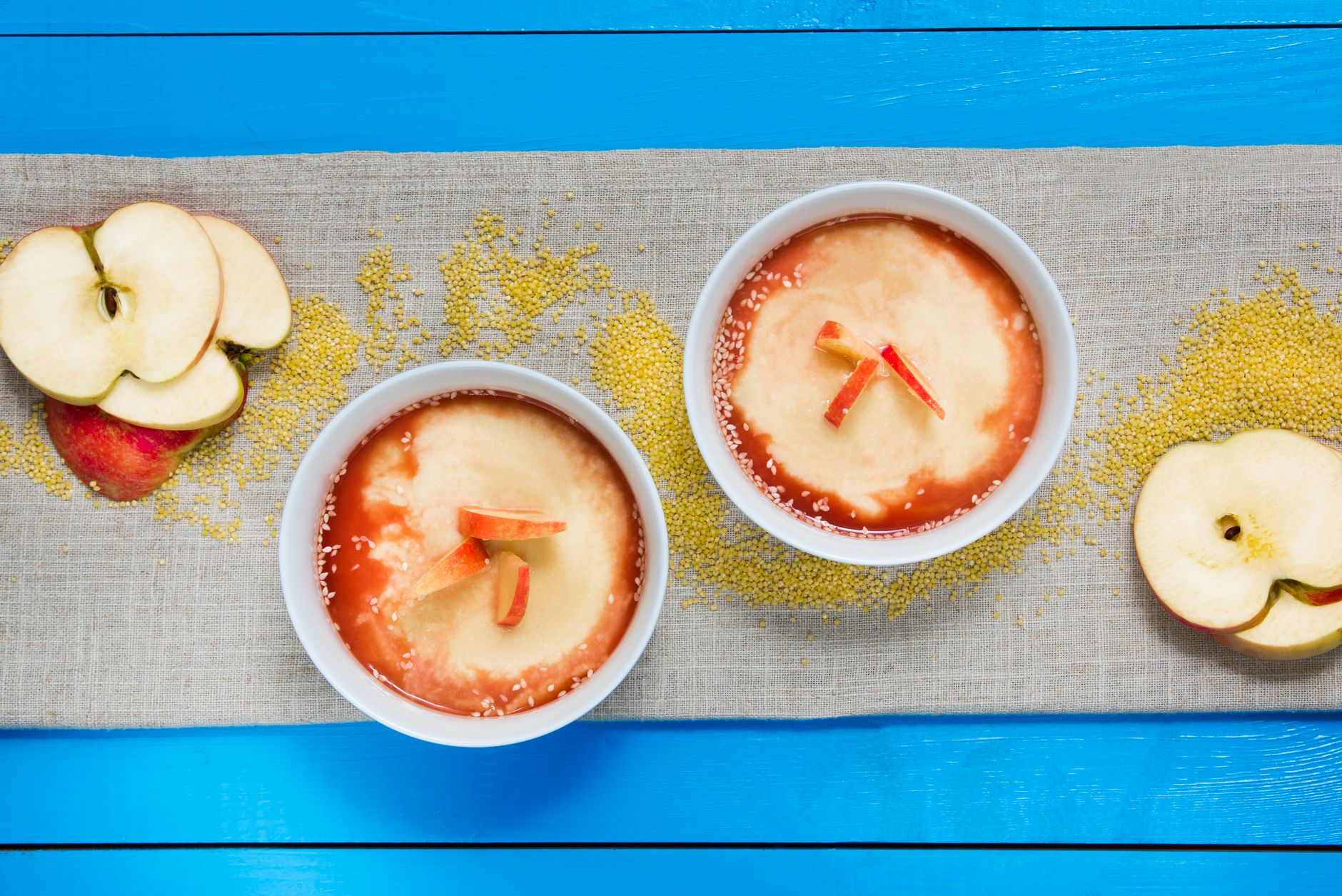
TL;DR: Swap high-carb morning meals for climate-resilient Indian millets packed with clean, plant-based protein. This guide provides five easy, high-protein millet breakfast recipes specifically calculated to fuel active lifestyles, optimize muscle recovery, and prevent mid-morning sluggishness.
The traditional Indian breakfast is undergoing a structural shift. For decades, morning routines centered around refined carbohydrates like white rice idlis, wheat upma, or deep-fried puris. While comforting, these meals trigger rapid blood sugar spikes followed by severe mid-morning energy crashes. For the modern active Indian juggling workouts, commutes, and high-performance careers, this nutritional profile is counterproductive.
To maintain sustained physical energy and support muscle tissue synthesis, your body requires complex, slow-digesting carbohydrates paired with an adequate dose of dietary protein. Transitioning to a millet high protein breakfast solves both challenges simultaneously. By combining indigenous, amino-acid-rich grains with modern protein sources, you can create a breakfast routine that optimizes metabolic health and keeps you satiated for hours.
What Is a Millet High Protein Breakfast?
A millet high protein breakfast is a structured morning meal that utilizes ancient Indian small-seeded grains—such as finger millet (ragi), pearl millet (bajra), or foxtail millet—as the primary carbohydrate base, systematically paired with dense protein sources like paneer, curd, sprouts, or clean protein powders.

Unlike processed oats or refined wheat, millets are whole grains that retain their bran and germ layers. This preservation ensures that the grain delivers its complete matrix of dietary fiber, essential minerals (including magnesium, iron, and calcium), and B-complex vitamins. When cooked alongside high-quality proteins, these grains slow gastric emptying, providing a steady release of amino acids and glucose into your bloodstream.
Why Millet Breakfasts Matter for Indian Fitness in 2026
The year 2026 marks a major turning point in India’s public health consciousness. According to the updated dietary guidelines from the ICMR-National Institute of Nutrition, more than 70% of urban Indians consume diets heavily deficient in quality protein, leading to premature muscle loss (sarcopenia) and metabolic disorders. The ICMR now advises active adults to target a minimum protein intake of 1.2 to 1.5 grams per kilogram of body weight daily.
Simultaneously, data from the Indian Institute of Millets Research indicates that domestic millet consumption among health-conscious urban households has grown by 48% over the past two years. This surge is driven by a collective recognition of the ecological and nutritional benefits of these indigenous superfoods.
📊 Key stat: A 100-gram serving of pearl millet (bajra) contains approximately 11.6 grams of protein, which is significantly higher than white rice (2.7 grams) or refined wheat flour (10.3 grams), while boasting a glycemic index of under 55.
By utilizing these climate-resilient grains, active individuals can hit their macronutrient targets without relying solely on processed supplements. Additionally, tracking your daily energy expenditure is easier when combining clean nutrition with wearable tech; you can monitor your metabolic response using one of the best budget smartwatches in India to track your active calories and heart rate variability.
Nutritional Comparison: 5 Key Millets Compared
To choose the ideal grain for your specific fitness goals, it helps to analyze their nutritional profiles. The table below details the macronutrient values per 100 grams of uncooked grain:
| Millet Type (English / Hindi Name) | Protein (g) | Dietary Fiber (g) | Calcium (mg) | Best Fitness Use Case |
|---|---|---|---|---|
| Finger Millet (Ragi / Nachni) | 7.3 | 11.5 | 344 | Bone density & skeletal strength |
| Pearl Millet (Bajra) | 11.6 | 8.0 | 42 | High-intensity endurance training |
| Foxtail Millet (Kangni) | 12.3 | 8.0 | 31 | Muscle tissue repair & recovery |
| Barnyard Millet (Sanwa) | 11.0 | 10.0 | 20 | Caloric restriction & fat loss |
| Little Millet (Kutki) | 7.7 | 7.6 | 17 | Sustained cardiorespiratory stamina |
5 Millet High Protein Breakfast Recipes
The following five recipes are designed to fit into busy morning schedules. They balance high protein delivery with authentic Indian flavor profiles.
1. Ragi (Finger Millet) Chocolate Whey Porridge
This recipe is highly effective for post-workout recovery, delivering fast-acting whey protein alongside slow-digesting ragi carbs to replenish muscle glycogen stores.
- Prep Time: 5 minutes
- Cook Time: 8 minutes
- Protein Yield: 32g per serving
Ingredients:
- Finger millet flour (Ragi): 40g
- Unsweetened almond milk or skimmed milk: 250ml
- Premium chocolate whey protein isolate: 1 scoop (approx. 30g)
- Chia seeds: 1 tsp
- Powdered cinnamon: A pinch
- Water: 100ml
Step-by-Step Instructions:
- In a small saucepan, whisk the ragi flour into 100ml of cold water until completely smooth to prevent lumping.
- Place the pan over medium heat, pour in the milk, and bring the mixture to a gentle simmer. Stir continuously.
- Cook for 5 to 6 minutes until the porridge thickens to a creamy consistency.
- Remove the saucepan from the heat source. Allow it to cool down for exactly two minutes (do not add whey protein to boiling mixtures to prevent curdling).
- Whisk in the chocolate whey protein powder vigorously until smooth.
- Pour into a serving bowl, sprinkle with chia seeds and cinnamon, and serve warm.







1 comment
📥 Get our “Top 50 AI Tools to Make Money (PDF)” — ₹199 – ₹499 at https://99infostore.com/product/top-50-ai-tools-pdf