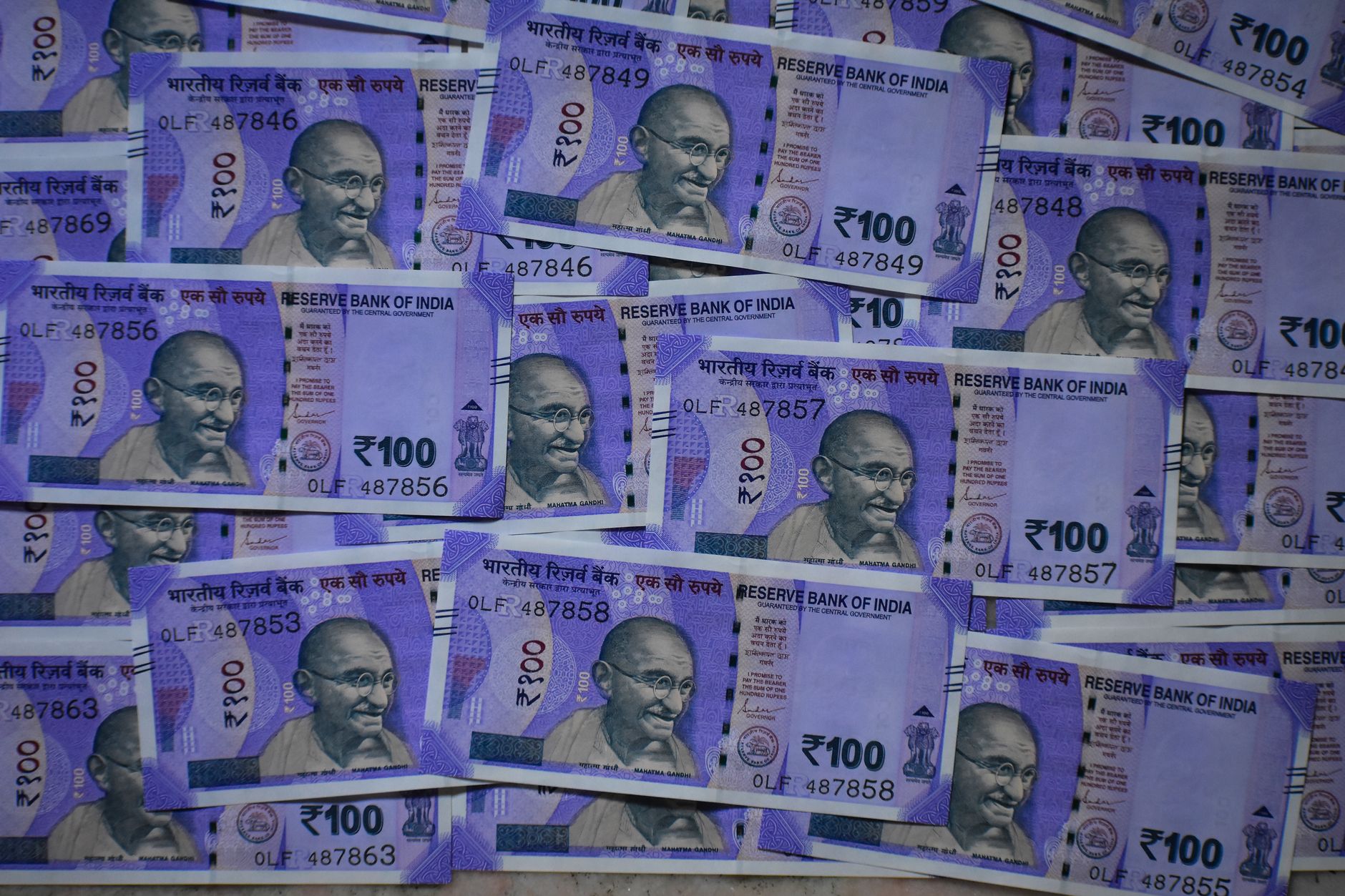

TL;DR: The Central Bank Digital Currency (CBDC), known as the e-Rupee, is recognized as physical cash in digital form and is not classified as a Virtual Digital Asset (VDA). Consequently, the Tax on Digital Rupee does not attract the flat 30% crypto tax or 1% TDS, but standard income tax slabs apply to earned income. Transactions must follow specific Reserve Bank of India (RBI) and Income Tax Department rules updated for the fiscal year 2026.
The rapid adoption of India’s Central Bank Digital Currency has changed how citizens transact, prompting critical questions regarding the Tax on Digital Rupee and transaction compliance. As the Reserve Bank of India (RBI) transitions the e-Rupee from experimental pilot phases to widespread public use, understanding the legal and tax framework is vital for every taxpayer.
Unlike decentralized cryptocurrencies, which are subjected to high tax penalties, the digital currency issued by the central bank serves as official sovereign tender. Therefore, understanding the exact e-Rupee transaction rules for 2026 will help you structure your payments, avoid tax notices, and manage your digital wallet balance without legal friction.
What Is the Digital Rupee (e-Rupee)?
The Digital Rupee (e-Rupee) is a digital token that represents sovereign currency and holds the exact same legal tender value as physical banknotes and coins. Issued directly by the Reserve Bank of India, it functions as a digital alternative to cash, recorded on a secure ledger operated by the central bank rather than commercial banking systems.
Looking to buy or compare latest prices online? View verified deals, user reviews, and discounts directly on Amazon India:
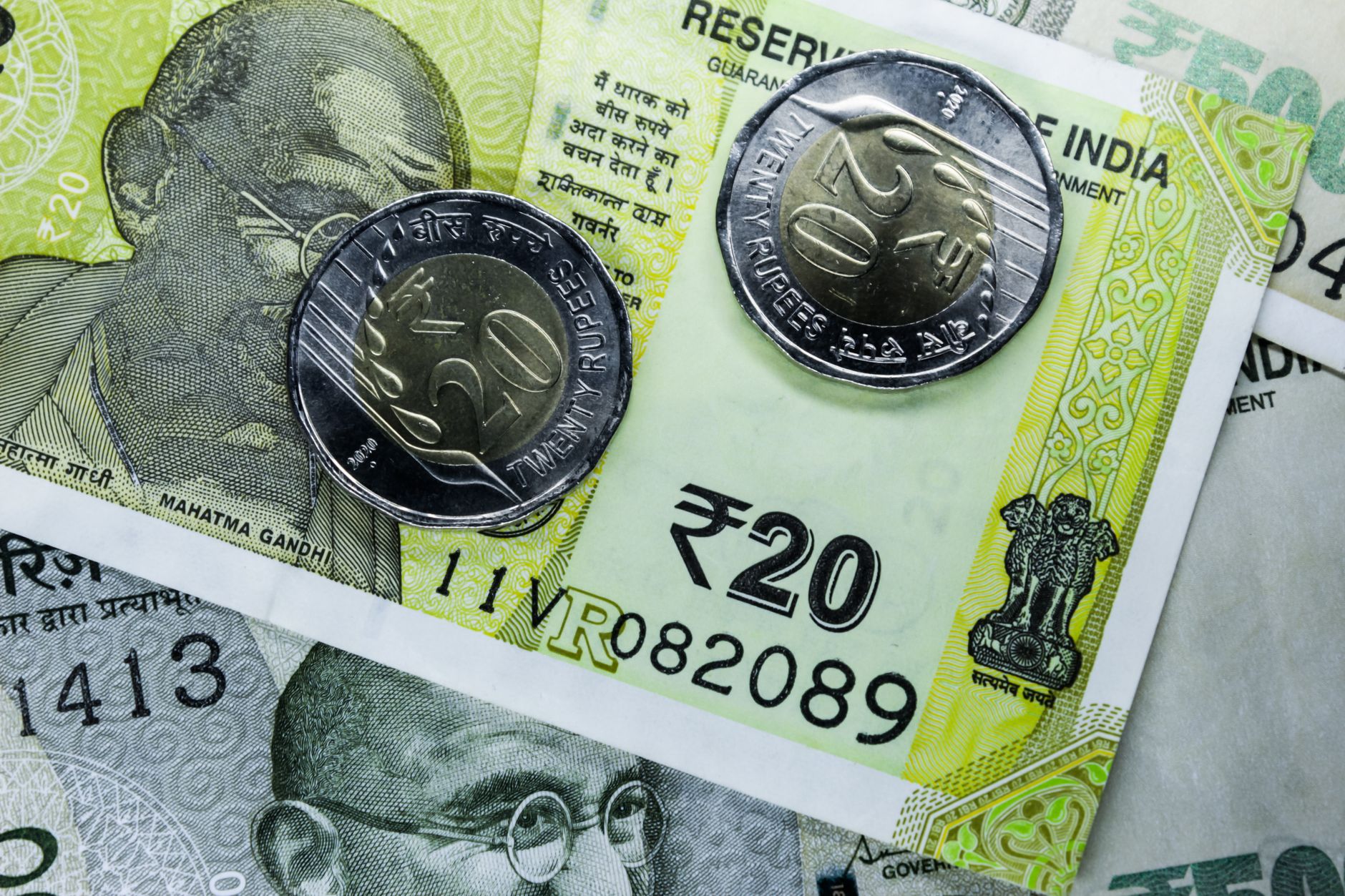
The e-Rupee operates in two distinct categories: retail (CBDC-R) for everyday transactions by citizens and merchants, and wholesale (CBDC-W) for interbank settlements. Unlike commercial bank deposits, which represent a claim against a specific private or public bank, the digital rupee represents a direct liability of the RBI. It is held in designated e-Rupee wallets provided by authorized banks, offering risk-free settlement.
Because it is simply digital cash, it does not earn any interest, preventing the flight of deposits from commercial banks to the central bank.
Why Tax on Digital Rupee Matters in India in 2026
The legal status of the e-Rupee dictates how it is taxed under the Income Tax Act of 1961. According to the Reserve Bank of India (RBI) report released in January 2026, retail CBDC transactions surpassed 5 million daily transfers, proving that digital currency is becoming a mainstream financial instrument. Because it represents sovereign cash, the tax rules that govern physical rupees apply directly to the e-Rupee, distinguishing it sharply from other digital assets.
Under the Finance Act, the Ministry of Finance clarified that the digital rupee is not classified as a Virtual Digital Asset (VDA) under Section 2(47A) of the Income Tax Act. If you transact in e-Rupee, you do not have to pay the flat 30% tax rate or the 1% Tax Deductible at Source (TDS) that applies to Bitcoin, Ethereum, or Non-Fungible Tokens (NFTs).
📊 Key stat: The Ministry of Finance projected in February 2026 that widespread CBDC usage will lower physical currency printing and management costs by 15% annually by the end of 2026.
This makes the e-Rupee highly attractive for everyday transactions, but it also means that any revenue earned, received, or stored in e-Rupee is subject to standard personal or business income tax rates. If you receive your salary or business revenue in e-Rupee, it must be reported in your annual Income Tax Return (ITR) under the appropriate income heads.
To plan your broader financial portfolio beyond currency transactions, reading about how to start investing in mutual funds can help you optimize your tax-saving investments alongside your daily e-Rupee usage.
Tax on Digital Rupee vs Crypto Tax in India
To avoid confusion during tax filing season, you must distinguish between sovereign digital fiat and private decentralized cryptocurrencies. The Indian government treats these two categories under entirely different legal and taxation frameworks.
| Feature | Digital Rupee (e-Rupee) | Cryptocurrencies (Bitcoin, ETH, etc.) |
|---|---|---|
| Legal Tender Status | Sovereign Legal Tender (RBI backed) | Unregulated Private Digital Assets |
| Income Tax Rate | Standard slab rates (0% to 30% + cess) | Flat 30% under Section 115BBH |
| TDS on Transactions | No TDS (0%) | 1% TDS under Section 194S |
| Offset of Losses | Standard business loss carry-forward | No set-off or carry-forward of losses |
| GST Treatment | Exempt (Treated as money/currency) | Subject to GST on platform fees |
As shown in the comparison, the sovereign nature of the e-Rupee ensures that it receives the same tax exemptions as physical paper money. Transactions executed via the e-Rupee wallet are secure, and they do not trigger the punitive tax liabilities associated with the volatile cryptocurrency market.
e-Rupee Transaction Rules for 2026: Step-by-Step Guide
Executing transactions with the Digital Rupee requires utilizing the designated bank applications designed for the CBDC platform. Here is how the transaction process works, along with the corresponding record-keeping and tax requirements.
Step 1: Setting up an authorized e-Rupee wallet
To use the digital currency, download the official e-Rupee application of an authorized bank partnering with the RBI, such as SBI, ICICI Bank, or HDFC Bank. You must link your bank account to authenticate your Identity through the Aadhaar-linked mobile number, which creates a secure digital wallet unique to your device.
Step 2: Loading funds and executing transactions
Load funds into your e-Rupee wallet directly from your bank account. The loaded funds are converted into digital tokens of specific denominations (e.g., ₹20, ₹50, ₹100, ₹500, or ₹2000 notes). You can then send these tokens to other users using their wallet IDs, mobile numbers, or by scanning unique merchant e-Rupee QR codes.

Step 3: Recording and declaring transaction history for tax filing
Maintain a clear history of your wallet transactions. Because the e-Rupee represents official cash, the Income Tax Department of India monitors high-value transactions. If your wallet transactions exceed specified annual limits, they will appear in your Annual Information Statement (AIS), requiring proper tax reporting.
⚡ Join our VIP Telegram for Daily 70–90% Loot Deals: Don’t miss instant Amazon & Flipkart price drops, verified tech discounts, and lightning sales! 👉 Join @offers99infostore Free on Telegram ↗