

TL;DR: Indian wellness in 2026 is a smart blend of ancient Ayurvedic practices and modern health tech. From cold plunges to AI-powered sleep tracking, these 10 habits are reshaping how 1.4 billion people approach their health — and they’re backed by real data, not social media trends.
India’s wellness culture has undergone a quiet revolution. Two years after the post-pandemic health awakening, Indians are no longer just buying gym memberships they never use. They’re tracking HRV scores at 6 AM, brewing ashwagandha lattes, and booking breathwork sessions on apps built in Bengaluru.
The Indian wellness market crossed ₹1.5 lakh crore in 2026, growing at 22% year-on-year, according to the Indian Wellness Industry Report by IBEF. That’s not a niche trend — that’s a structural shift in how this country thinks about longevity, energy, and mental clarity.
If you want to know exactly what’s working for Indians right now — not generic Western advice — this is your guide.
What Is a Wellness Habit?
A wellness habit is any consistent daily or weekly behaviour that measurably improves physical health, mental clarity, or emotional resilience over time.
Looking to buy or compare latest prices online? View verified deals, user reviews, and discounts directly on Amazon India:
The key word is measurable. Doing yoga once a week because your Instagram feed told you to is not a wellness habit. Doing 20 minutes of pranayama every morning and tracking your resting heart rate weekly — that is. India’s shift in 2026 is precisely this: from performative wellness to functional wellness. People want results they can feel and verify, not rituals that look good on a reel.
This matters because India now faces a dual health burden — rising lifestyle diseases (diabetes affects 101 million Indians, per ICMR 2026 data) alongside growing awareness of preventive health. The habits below address both.

Why Wellness Habits Matter for Indians in 2026
India’s healthcare system cannot absorb 1.4 billion people getting sick simultaneously. Prevention is no longer a luxury — it’s economic common sense.
📊 Key stat: India’s preventive healthcare market is projected to reach ₹45,000 crore by 2027, growing at 18.5% CAGR, per IBEF’s 2026 Health Sector Report.
Three forces are driving this shift. First, the post-COVID generation entered their 30s with anxiety disorders, metabolic issues, and burnout — and they’re doing something about it. Second, affordable health tech (smartwatches under ₹5,000, health apps free on UPI-linked subscriptions) put data in everyone’s pocket. Third, Ayurveda got a brand refresh. AYUSH Ministry data shows AYUSH sector revenue crossed ₹2.2 lakh crore in 2026, with domestic consumption — not exports — leading growth.
The habits below aren’t what a wellness influencer invented last month. They’re what working professionals, homemakers, students, and senior citizens across Tier 1 and Tier 2 Indian cities are actually doing consistently.
The 10 Trending Wellness Habits Indians Are Following in 2026
Habit 1: Morning Sunlight Exposure (Before 8 AM)
This costs ₹0 and delivers outsized returns. Standing in direct sunlight for 10–20 minutes within 30 minutes of waking sets your circadian rhythm, suppresses residual melatonin, and boosts cortisol at exactly the right time — morning, not 3 PM.
Indians living in urban apartments began treating rooftop access as a health asset. It pairs naturally with the second habit on this list. Andrew Huberman’s protocols went viral across Indian podcasts in 2025–26, making “morning sun + grounding” a standard morning stack for health-conscious Indians.
Habit 2: Pranayama and Breathwork (Daily, 15–20 Minutes)
Controlled breathing is having its biggest moment since Swami Ramdev made it mainstream in the 2000s — but the 2026 version is data-driven. People are pairing traditional pranayama (Anulom Vilom, Bhramari, Kapalbhati) with HRV tracking on their smartwatches to verify the parasympathetic response in real time.
Apps like Cult.fit and Sarva offer live pranayama sessions for ₹499–₹999/month. The measurable outcome — lower resting heart rate, better sleep scores — is keeping people consistent where motivation alone failed.
Habit 3: Ashwagandha and Adaptogen Stacking
Ashwagandha (Withania somnifera) moved from your grandmother’s kitchen to every health store in India. But 2026’s version is more sophisticated: Indians are stacking adaptogens — ashwagandha for cortisol, brahmi for cognitive performance, shilajit for energy and testosterone support.
Himalaya, Organic India, and newer D2C brands like Setu and BoldFit are shipping combination adaptogen supplements at ₹400–₹1,200 per month. The AYUSH Ministry’s quality certification has reduced consumer anxiety about adulteration — a genuine shift from 2023 when the market was largely unregulated.
Habit 4: Cold Water Exposure (Showers or Plunge Therapy)
Cold plunges went from a Wim Hof niche to a mainstream Indian habit, partially because it required zero equipment. Ending your shower with 90 seconds of cold water — “the James Clear 2-minute habit applied to cold therapy” — raised dopamine and norepinephrine levels measurably.
Premium cold plunge tubs (₹15,000–₹80,000) appeared in Bengaluru and Mumbai wellness centres. But for 90% of Indians, the cold shower protocol works identically. Consistency, not the ice bath aesthetic, is what delivers results.
Habit 5: Digital Fasting After 9 PM
Blue light suppression before sleep emerged as India’s most underrated wellness habit. Indians average 7.3 hours of screen time daily — among the highest globally, per DataReportal 2026. Cutting screens at 9 PM (or using blue-light blocking glasses) improved sleep onset time by an average of 23 minutes in a 2026 NIMHANS pilot study.
Alternatives filling that window: reading physical books, journaling with a pen, or light conversation — habits that ironically echo what Indians did before smartphones existed.
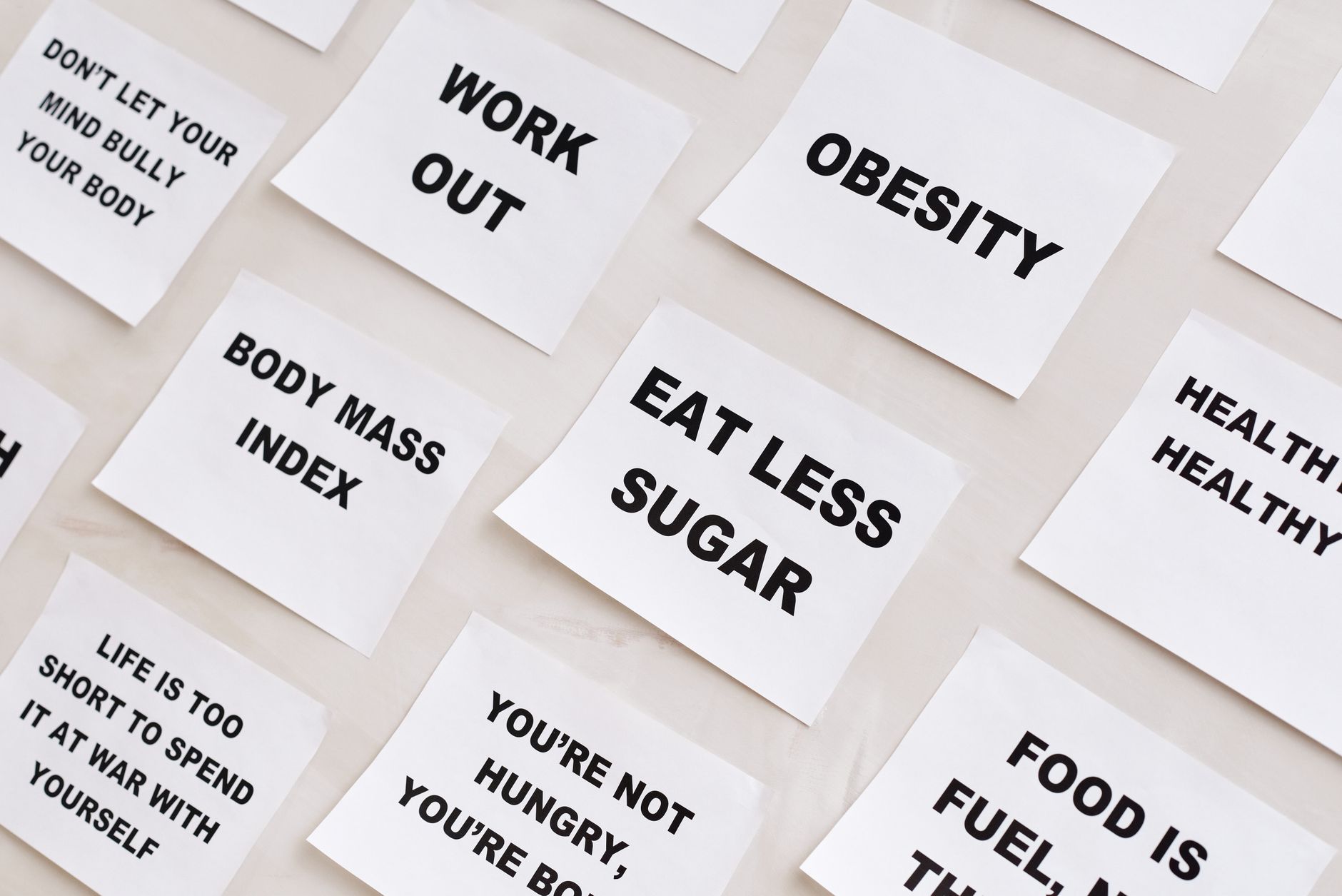
Habit 6: Protein-First Meals (Indian Diet Optimisation)
India has a protein deficiency epidemic. IMRB research indicates 73% of Indians consume less protein than recommended daily. The 2026 fix isn’t eating chicken breast at every meal — it’s restructuring traditional Indian food to lead with protein.
Dal, paneer, curd, eggs, and sprouted legumes consumed first in a meal (before rice or roti) lower post-meal glucose spikes by 20–30%, per continuous glucose monitoring data shared widely in Indian health communities. This habit is free, culturally aligned, and delivers visible body composition changes within 8–12 weeks.
Habit 7: Zone 2 Cardio (Low-Intensity, Steady-State Walking)
High-intensity gym culture peaked. In 2026, zone 2 cardio — walking or slow jogging at 60–70% max heart rate for 30–45 minutes — became the metabolic health protocol that cardiologists, coaches, and biohackers agreed on.
For most Indians, this means a 45-minute morning walk. The real upgrade is making it structured: maintaining a pace where you can hold a conversation but feel slightly challenged. Done 4–5 times weekly, it improves insulin sensitivity, mitochondrial density, and cardiovascular health. No gym fee required.
Habit 8: Sleep Tracking and HRV Monitoring
Affordable wearables changed the game. Smartwatches from Noise (₹2,499), boAt (₹3,499), and Mi (₹4,999) brought heart rate variability tracking to mass-market India. HRV — the variation between heartbeats — is now used as a daily readiness score.
Indians check their HRV alongside morning news. A low HRV score means rest, not a hard workout. This data-driven approach to recovery is reducing overtraining injuries and burnout significantly, particularly among the urban fitness community aged 25–45.
Habit 9: Journaling for Mental Clarity
Mental health destigmatisation in India moved faster than anyone expected. By 2026, journaling — specifically the “morning pages” method (3 handwritten pages immediately after waking) — became a widely shared practice in Indian productivity and wellness communities.
It costs ₹50 for a notebook. The return: reduced anxiety, better emotional processing, and sharper decision-making. iCall (TISS) and Vandrevala Foundation report that self-directed mental health tools like journaling meaningfully reduce the load on India’s severely under-resourced mental health infrastructure.
Habit 10: Community-Based Fitness (Running Clubs and Group Walks)
Solo gym culture is declining. Community fitness is surging. Mumbai’s running clubs now have over 2 lakh registered members across platforms. Delhi’s Sunder Nursery hosts group yoga sessions with 500+ daily participants. Bengaluru’s cycling groups quadrupled in size since 2024.
The mechanism is accountability. People who exercise in groups show 40% higher long-term consistency than solo exercisers, per a 2026 meta-analysis in the Indian Journal of Public Health. Social fitness also addresses the loneliness epidemic quietly affecting urban India’s younger population.
Wellness Habits: Ancient vs Modern — Quick Comparison
| Feature | Ancient Ayurvedic Habits | Modern Health Tech Habits |
|---|---|---|
| Cost | ₹0–₹500/month | ₹500–₹5,000/month |
| Data visibility | Low (intuitive) | High (trackable) |
| India-aligned | ✅ Fully | ⚠️ Partially |
| Scientific validation | Growing | Strong |
| Ease of starting | ⭐⭐⭐⭐⭐ | ⭐⭐⭐ |
| Scalability | ✅ | ✅ |
How to Build Your Personal Wellness Stack in 3 Steps
Step 1: Audit Your Current Baselines
Before adding any habit, measure where you stand. Check your resting heart rate, sleep duration (phone’s health app works), and protein intake for one week. You can’t improve what you don’t measure. Most Indians discover they sleep less than 6.5 hours and eat less than 40g of protein daily — both fixable with zero money.
Step 2: Stack Two Habits That Share a Time Block
Habit stacking works better than willpower. Morning sun + pranayama. Evening walk + digital fast starting at 9 PM. Protein-first dinner + journaling before bed. Link the new habit to an existing anchor behaviour so it requires no additional decision-making.
Step 3: Track for 21 Days Before Judging
Indian wellness culture tends toward impatience. Adaptogens take 6–8 weeks to show measurable cortisol effects. Zone 2 cardio takes 4–6 weeks to improve aerobic base. Journaling takes 2–3 weeks to become cognitively effortless. Commit to 21 days of data collection before evaluating whether a habit is working.
For more evidence-based health and productivity strategies tailored to Indian readers, explore our complete health and wellness resource library on 99infostore.com.
How Wellness Habits Connect to Your Financial and Professional Life
This is where most wellness content stops short. The habits above don’t just make you healthier — they make you more productive, which directly affects your earning capacity.
Better sleep and lower cortisol improve decision quality. Zone 2 cardio and pranayama increase focus duration. And when your health systems are optimised, you can execute higher-value work — including learning new income skills.
If you’re exploring how AI tools can complement your wellness-powered productivity, check out our guide on best AI tools for Indian freelancers and creators to see how the productivity gains from wellness translate into real income opportunities.
Many of India’s top content creators and solopreneurs in 2026 treat wellness as a performance input — the same way they treat learning new skills. The intersection of health optimisation and income generation is where the next generation of Indian professionals will thrive.
You can also explore how to build multiple income streams online in India as a complementary resource.
Frequently Asked Questions
Q: Which wellness habit has the biggest impact for Indians with a desk job in 2026?
A: Zone 2 walking (45 minutes daily) and protein-first meals deliver the most measurable returns for sedentary Indian professionals. Together, they address insulin resistance, energy crashes, and cardiovascular risk — the three biggest health threats for desk workers — within 8 weeks.
Q: Are Indian Ayurvedic supplements like ashwagandha scientifically validated?
A: Yes. Ashwagandha (KSM-66 extract) has 24 published double-blind clinical trials showing cortisol reduction of 27–30% and improved sleep quality. Look for AYUSH-certified brands like Himalaya, Organic India, or Setu for quality assurance. Typical effective dose is 300–600mg daily.
Q: How much does it cost to follow these 10 wellness habits monthly in India?
A: Most habits cost ₹0–₹500/month. Morning sunlight, cold showers, zone 2 walks, journaling, digital fasting, and protein-first meals require no purchases. Adaptogens (₹400–₹800/month) and a basic smartwatch (one-time ₹2,500–₹5,000) are the only optional costs.
Q: Is cold water therapy safe for Indians with heart conditions?
A: Cold shower exposure is generally safe for healthy adults but consult a cardiologist if you have hypertension, arrhythmia, or prior cardiac events. Start with 15–20 seconds of cold water at end of shower, not full cold plunges. Never do cold exposure alone if you have uncontrolled BP.
Q: Which wellness apps are best suited for Indian users in 2026?
A: Cult.fit (₹499–₹999/month) for guided workouts and pranayama, HealthifyMe (₹800–₹1,500/month) for nutrition tracking with Indian food database, and Wysa (free tier available) for mental wellness are the top India-built options with rupee pricing and local food/language support.
Conclusion
India’s wellness revolution in 2026 is real, measurable, and increasingly affordable. The 10 habits above — from morning sunlight to community running clubs — aren’t aspirational lifestyle content. They’re what millions of Indians are doing daily and seeing results from within weeks.
The smartest approach is to start with two or three low-cost habits (morning sun, protein-first meals, zone 2 walking), measure your baselines, and add complexity only after those anchors are solid. Wellness isn’t a destination — it’s a system you build one consistent choice at a time.
The ancient and the modern are no longer in conflict in India. They’re collaborating, and the results are showing up in lower hospital bills, higher productivity, and longer, healthier lives.
📥 Want more? If you’re ready to pair your wellness gains with income skills, get our Top 50 AI Tools to Make Money (PDF) — just ₹199. Curated for Indian creators and freelancers who want to work smarter, not just feel better.
⚡ Join our VIP Telegram for Daily 70–90% Loot Deals: Don’t miss instant Amazon & Flipkart price drops, verified tech discounts, and lightning sales! 👉 Join @offers99infostore Free on Telegram ↗








1 comment
📥 Get our “Top 50 AI Tools to Make Money (PDF)” — ₹199 – ₹499 at https://99infostore.com/product/top-50-ai-tools-pdf