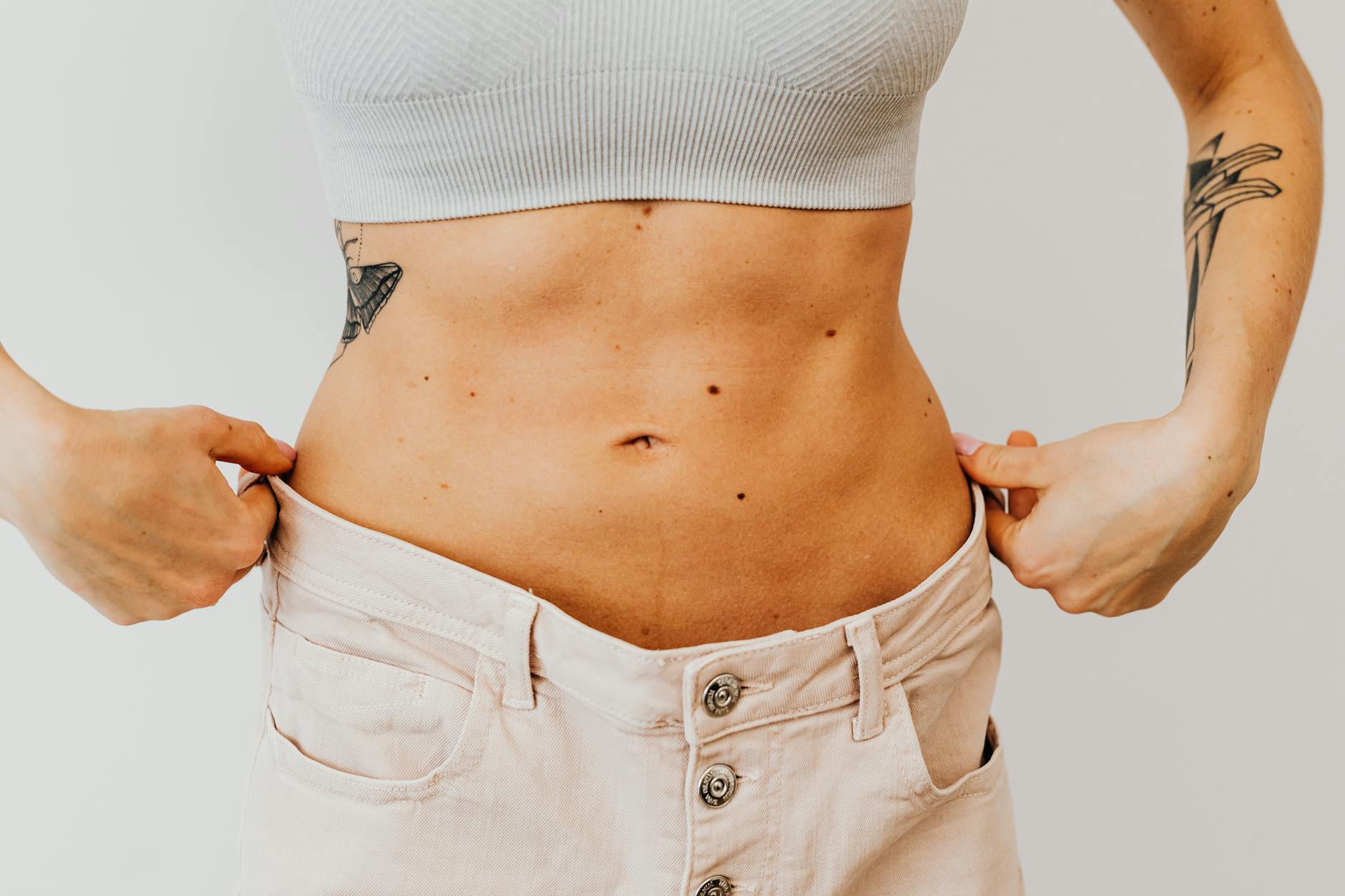

TL;DR: You can lose 2–4 kg of belly fat in 30 days by combining a calorie-controlled Indian diet (1,400–1,600 kcal/day) with daily 30-minute walks and eliminating refined carbs like maida and sugar. No crash diets, no expensive supplements — just a structured, desi-food approach that works.
Belly fat is India’s fastest-growing health problem. According to the Indian Council of Medical Research (ICMR), over 135 million Indians are classified as obese or overweight as of 2026, with central obesity — fat around the abdomen — linked to Type 2 diabetes, PCOS, and cardiovascular disease. The solution most people miss is not a gym membership or a foreign keto plan. It is a structured Indian diet plan built around foods already in your kitchen: dal, sabzi, roti, and curd.
This guide gives you an exact 30-day Indian diet plan to lose belly fat, backed by nutrition science and tailored to Indian eating habits, regional food availability, and ₹-friendly budgets.
What Is Belly Fat and Why Is It Dangerous?
Belly fat is the accumulation of visceral adipose tissue — fat stored deep around your abdominal organs including the liver, stomach, and intestines.
Unlike subcutaneous fat (the pinchable layer under skin), visceral fat is metabolically active. It releases inflammatory chemicals called cytokines that directly increase insulin resistance, raise LDL cholesterol, and stress your cardiovascular system. A waist circumference above 90 cm in Indian men or above 80 cm in Indian women is classified as high risk by the World Health Organization — thresholds lower than Western standards because South Asians carry more visceral fat at lower BMI levels.
The danger is not cosmetic. A 2026 report by the Indian Heart Association noted that abdominal obesity is present in 68% of urban Indian adults who suffer a first heart attack before age 50. Reducing belly fat by even 5–8% dramatically lowers fasting insulin and triglyceride levels, making this one of the highest-return health interventions available.
Why Belly Fat Is Rising So Fast in India in 2026
India’s obesity crisis has structural causes, not personal ones.
📊 Key stat: India’s diabetes burden reached 101 million people in 2023 (Lancet Diabetes study) — a figure projected to climb 15% further by 2026, with abdominal fat as the primary driver.
Three forces are accelerating belly fat in urban India right now:
1. Refined carb overload. The average urban Indian diet now includes 60–70% of calories from refined carbohydrates — white rice, maida-based breads, biscuits, and packaged snacks. These spike blood sugar rapidly, trigger insulin surges, and signal the body to store fat preferentially in the abdomen.
2. Sedentary desk jobs. India added over 8 million IT and services jobs between 2022 and 2026, per NASSCOM data. The average tech worker sits for 9–11 hours daily — enough to suppress fat-burning enzymes by 90% compared to people who move regularly.
3. Late-night eating. Research published in the Journal of Nutrition (2024) confirmed that eating dinner after 9 PM — common in Indian households — correlates with 31% more visceral fat accumulation versus eating before 7:30 PM, even when total calories are identical.
Understanding these causes shapes the diet plan below. Fix the refined carbs, add movement, and shift your eating window earlier.
How the 30-Day Indian Belly Fat Diet Plan Works: Step-by-Step
Step 1: Set Your Daily Calorie Target
Calculate your maintenance calories first. A simple rule for Indian adults: multiply your body weight in kg by 30 for sedentary lifestyles, by 35 for moderately active.
For fat loss, subtract 400–500 kcal from that number. A 70 kg sedentary person maintains at ~2,100 kcal and should target 1,600–1,700 kcal for steady fat loss. Never go below 1,200 kcal — this triggers muscle breakdown and slows metabolism.
Use a free Indian food tracker like HealthifyMe (free tier available) to log meals in the first 2 weeks. Most Indian users are shocked to find that two Parle-G biscuits, one samosa, and a masala chai with sugar add up to over 400 kcal with near-zero protein.
Step 2: Restructure Your Plate (The 40-30-30 Indian Method)
The most effective macro ratio for Indian belly fat loss is:
- 40% complex carbs — brown rice, oats, jowar roti, bajra roti
- 30% protein — dal, paneer, eggs, low-fat curd, moong, rajma, chicken
- 30% healthy fats — mustard oil (1 tsp), ghee (half tsp), nuts, seeds
Replace white roti with jowar or bajra roti — both are higher in fibre and lower on the glycemic index. Replace white rice with brown rice or millets like ragi at dinner. Keep carbs smaller at night and protein higher.
Step 3: Follow the 30-Day Weekly Meal Rotation
Week 1–2: Elimination Phase
Remove all: maida items (bread, biscuits, namkeen, puri), packaged juices, cold drinks, excess sugar in chai.
Sample Day (1,550 kcal):
- Breakfast (8 AM): 2 besan chilla + 1 cup low-fat curd + 1 cup green tea (no sugar) — ~350 kcal
- Mid-Morning (11 AM): 1 small apple or 10 soaked almonds — ~100 kcal
- Lunch (1 PM): 2 jowar roti + 1 katori rajma or dal + 1 katori sabzi + salad — ~500 kcal
- Evening (4:30 PM): 1 cup buttermilk (chaas) or 1 cup green tea — ~50 kcal
- Dinner (7:30 PM): 1 bowl moong dal khichdi + cucumber raita — ~450 kcal
- Post-dinner: Warm water with jeera or ajwain — 0 kcal
Week 3–4: Intensification Phase
Reduce dinner carbs by 25%. Add one high-protein snack (roasted chana, boiled eggs, or paneer cubes). Increase water intake to 3.5 litres daily. Shift dinner to before 7:30 PM where possible.

Indian Belly Fat Diet vs. Keto Diet: Quick Comparison
| Feature | Indian Diet Plan | Keto Diet |
|---|---|---|
| Monthly food cost | ₹3,000–₹5,000 | ₹8,000–₹15,000 |
| Sustainability (6+ months) | ✅ High | ❌ Low for most Indians |
| India-friendly foods | ✅ Dal, roti, sabzi | ❌ Avoids most Indian staples |
| Protein adequacy | ✅ With dal/paneer | ✅ With meat/eggs |
| Constipation risk | Low | High |
| Medical supervision needed | No (healthy adults) | Recommended |
| Average fat loss (30 days) | 2–4 kg | 3–5 kg (incl. water weight) |
| Long-term heart health | ✅ Fiber-rich | ⚠️ Depends on fat sources |
The Indian diet plan wins on affordability, food culture fit, and long-term adherence. Keto may show faster initial results but most Indian users abandon it within 6–8 weeks due to dal-roti cravings.
Best Indian Foods to Burn Belly Fat in 2026
These are not superfoods — they are ordinary Indian ingredients with specific fat-burning properties:
1. Methi (Fenugreek Seeds) — Soak 1 tsp overnight, drink water in the morning. Methi improves insulin sensitivity and reduces post-meal blood sugar spikes by up to 20%, per a study in the Journal of Diabetes & Metabolic Disorders (2023). Cheaply available across India at ₹30–₹50 per 100g.
2. Moong Dal — Highest protein-to-calorie ratio among common Indian dals (24g protein per 100g dry). Keeps you full for 4–5 hours, reducing total daily calorie intake without hunger. Yellow moong khichdi at dinner is one of the most effective belly-fat dinner strategies.
3. Curd (Low-fat Dahi) — Probiotic bacteria in Indian-style curd reduce gut inflammation, which directly correlates with visceral fat reduction. Use homemade or plain branded curd (Amul, Mother Dairy) — not flavoured or sweetened varieties.
4. Green Tea — Catechins in green tea increase fat oxidation by 17% during moderate exercise, per a meta-analysis in Obesity Reviews (2022). Drink 2–3 cups daily without sugar. Tetley, Lipton, and local Indian brands cost ₹150–₹300 per 100-bag box.
5. Bajra and Jowar Rotis — These millets have a glycemic index 30–40% lower than wheat atta. They digest slowly, keep insulin stable, and are rich in zinc — a mineral that regulates cortisol (the belly-fat-storing stress hormone).
For more smart strategies using AI and data-driven tools in your health journey, explore our guide to the best AI tools for Indian productivity.
The Movement Plan That Doubles Diet Results
Diet alone reduces belly fat. Diet plus movement doubles the speed.
You do not need a gym. The most effective protocol for belly fat loss — proven by a 2024 Indian Journal of Endocrinology study — is Zone 2 walking: walking at a pace where you can still hold a conversation, for 30–45 minutes, 5 days a week.
At this intensity, your body uses fat as its primary fuel source. Combine this with 10 minutes of core strengthening (planks, bicycle crunches, leg raises) every morning and you activate EPOC — excess post-exercise oxygen consumption — which burns an additional 100–150 kcal in the 24 hours after each session.
Weekly movement target:
- Monday/Wednesday/Friday: 45-minute brisk walk
- Tuesday/Thursday: 30-minute walk + 10-minute core circuit
- Saturday: 60-minute outdoor activity (cycling, swimming, yoga)
- Sunday: Rest or light stretching
Total time investment: approximately 4.5 hours per week. No equipment, no gym fees.
For those building income-generating skills alongside their health goals, check out our resources for Indian freelancers and online earners.
What to Avoid: 5 Indian Foods Wrecking Your Belly Fat Goals
- Packaged namkeen and chakli — Average 600 kcal per 100g, almost entirely from refined flour and seed oils.
- Maida-based breakfast items — Pav bhaji bread, white sandwich bread, and puri trigger insulin spikes within 15 minutes of eating.
- Fruit juices (packaged and fresh) — Even fresh mango juice removes fibre and delivers 30–40g of fructose per glass directly to the liver, promoting fat storage.
- Sweetened lassi and flavoured curd — Amul Masti flavoured varieties contain up to 22g of added sugar per 200ml serving.
- Late-night dal rice with ghee — Not because of the food quality — but because eating a 700+ kcal meal at 10 PM when cortisol and insulin regulation is at its weakest accelerates fat storage.
Per the Ministry of Health & Family Welfare’s National Dietary Guidelines, limiting added sugar to under 25g per day is the single most impactful dietary change for reducing abdominal obesity in Indian adults.
For deeper tracking and accountability, the HealthifyMe nutrition science research portal publishes India-specific calorie databases updated quarterly.
Frequently Asked Questions
Q: How much belly fat can an Indian person realistically lose in 30 days without exercise?
A: With only diet changes (1,400–1,600 kcal/day, cutting refined carbs), expect 1.5–2.5 kg of fat loss in 30 days. Adding 30-minute daily walks roughly doubles this to 2.5–4 kg. Results vary based on starting weight, age, and hormone levels.
Q: Is rice the main cause of belly fat for Indians?
A: Not by itself. White rice has a high glycemic index but becomes problematic only in large portions (over 2 cups) or when eaten late at night. Switching to smaller rice portions before 8 PM, or replacing with millets, reduces belly fat risk significantly without eliminating rice entirely.
Q: Can Indian women with PCOS follow this 30-day diet plan?
A: Yes. This plan’s low-glycemic structure (jowar roti, moong dal, limited sugar) aligns directly with PCOS management guidelines. Women with PCOS should prioritise protein at every meal (at least 20g), avoid skipping breakfast, and consult a gynaecologist before making major dietary changes.
Q: What is the best Indian breakfast to reduce belly fat quickly?
A: Besan chilla with curd, or a 3-egg vegetable omelette, or overnight oats with chia seeds and milk. All provide 18–25g protein, stabilise blood sugar for 4–5 hours, and contain under 400 kcal. Avoid poha, upma, or idli as the first meal — they are moderate-to-high glycemic.
Q: Is intermittent fasting safe for Indians trying to lose belly fat in 2026?
A: Yes for healthy adults. The 16:8 method (eat between 9 AM and 5 PM or 10 AM and 6 PM) aligns well with Indian work schedules and reduces total calorie intake by 15–20% naturally. Avoid skipping breakfast entirely, as this tends to cause overeating at lunch and dinner in most Indian dietary patterns.
Conclusion
Losing belly fat in 30 days on an Indian diet is entirely achievable — without foreign diets, expensive supplements, or extreme calorie restriction. The formula is specific: target 1,400–1,600 kcal/day from high-protein Indian foods, replace refined carbs with millets, eat dinner before 7:30 PM, and walk 30–45 minutes daily.
The biggest mistake Indians make is following Western fat-loss advice that ignores dal, roti, and regional eating patterns. This plan works because it works with Indian food culture, not against it.
Start with Step 1 this week — calculate your calorie target, swap one refined-carb meal for a millet-based option, and track for 7 days. The first week will show 0.5–1 kg of movement and, more importantly, a measurable reduction in bloating and energy slumps.
For the digital side of your productivity journey, check out our complete guide to making money online in India.
📥 Want more tools to optimise your time and income while working on your health goals? Get our Top 50 AI Tools to Make Money (PDF) — just ₹199 to ₹499. Curated for Indian creators, freelancers, and side-hustlers who want AI to do the heavy lifting.







1 comment
📥 Get our “Top 50 AI Tools to Make Money (PDF)” — ₹199 – ₹499 at https://99infostore.com/product/top-50-ai-tools-pdf