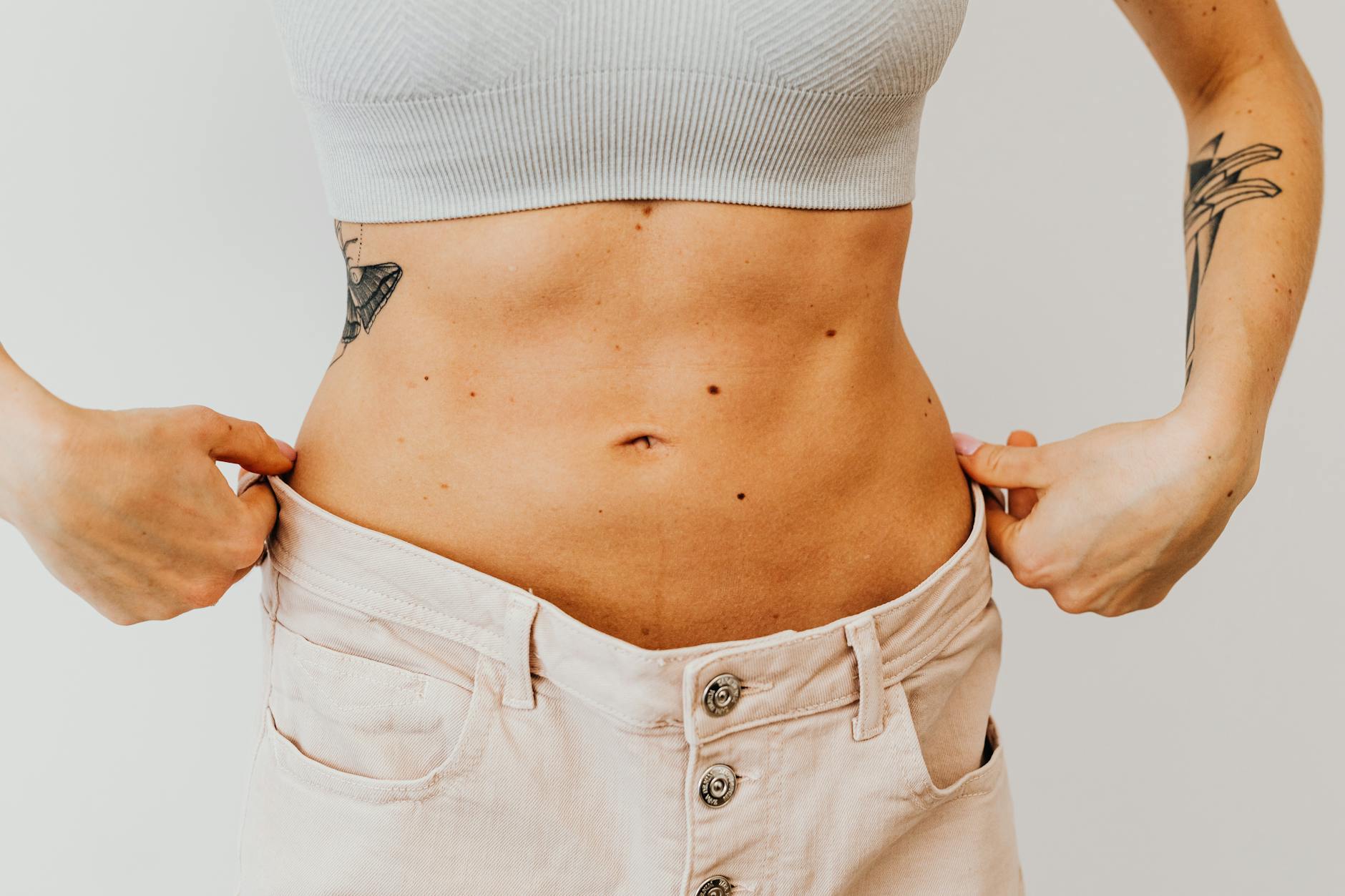

TL;DR: The fastest way to lose belly fat in India is a calorie deficit diet combining high-protein Indian foods (dal, paneer, eggs), reduced refined carbs (maida, white rice), and intermittent fasting. Most Indian adults can lose 1–2 kg of belly fat per month without expensive supplements or gym memberships.
Belly fat is not just a cosmetic problem. It is the most dangerous type of fat your body stores — wrapped around your organs, driving insulin resistance, type 2 diabetes, and heart disease. And India has a crisis. According to the Indian Council of Medical Research (ICMR), over 135 million Indians were classified as obese in 2023, with abdominal obesity rising faster than overall body weight gain. The default Indian diet — high in refined carbs, fried snacks, and sugar — makes belly fat almost inevitable without deliberate intervention.
This guide gives you a complete, practical India-specific diet plan to lose belly fat fast in 2026. No fad diets. No imported supplements. Just real food, real science, and an approach that works in an Indian kitchen.
What Is Belly Fat and Why Is It Different?
Belly fat is visceral adipose tissue — the fat stored deep inside the abdominal cavity, surrounding organs like the liver, pancreas, and intestines.
Unlike subcutaneous fat (the soft fat under your skin), visceral fat is metabolically active. It releases inflammatory chemicals called cytokines, disrupts hormone signalling, and directly raises your risk of cardiovascular disease, fatty liver, and type 2 diabetes. A waist circumference above 90 cm for Indian men and above 80 cm for Indian women is classified as high risk by the World Health Organization — thresholds specifically lower for South Asians because of our genetic predisposition to storing abdominal fat.
The key implication: you can have a “normal” BMI and still carry dangerous levels of belly fat. This makes waist measurement a more reliable health marker for Indians than the scale alone.

Why Belly Fat Is a Major Health Problem in India in 2026
India is now the diabetes capital of the world. The International Diabetes Federation (IDF) estimates 101 million Indians live with type 2 diabetes as of 2023, and abdominal obesity is the single largest modifiable risk factor.
📊 Key stat: A 2023 ICMR-INDIAB study covering 31 states found that 40% of urban Indian adults have abdominal obesity — nearly double the rate seen in rural populations.
Three factors make this uniquely Indian:
Genetic susceptibility. South Asians store more fat in the abdominal region at the same calorie intake compared to Europeans. This is sometimes called the “thin-fat Indian” phenotype — lean limbs, dangerous central fat.
Dietary patterns. The modern Indian diet is overloaded with refined carbohydrates — white rice, maida rotis, packaged biscuits, sugary chai, and mithai. These spike blood sugar rapidly, triggering insulin release and promoting fat storage in the belly region preferentially.
Sedentary urban lifestyles. A 2024 Lancet Global Health study found that Indian adults average just 5,500 steps per day — well below the 8,000–10,000 step threshold associated with metabolic health. Desk jobs, long commutes, and screen time have collapsed daily movement.
For deeper context on India’s metabolic health data, see ICMR’s national nutritional guidelines.
The India Diet Plan to Lose Belly Fat Fast: Step-by-Step
Step 1: Build a Calorie Deficit Using Indian Food Portions
Weight loss — including belly fat — requires a calorie deficit. For most Indian adults, cutting 400–500 calories per day produces a sustainable 1–2 kg loss per month.
You do not need to count every calorie. Use the plate method instead:
- Half your plate: non-starchy vegetables (palak, methi, lauki, tinda, cucumber, tomato)
- One quarter: protein (dal, paneer, eggs, chicken, fish, curd)
- One quarter: complex carbs (brown rice, jowar roti, bajra roti, oats)
This single habit eliminates the two biggest culprits — excess rice and excess roti — without requiring any apps or calorie tracking tools.
Step 2: Add Intermittent Fasting (16:8 Protocol)
Intermittent fasting (IF) is one of the most studied approaches for reducing visceral fat specifically. The 16:8 protocol means eating within an 8-hour window — say, 10 AM to 6 PM — and fasting for the remaining 16 hours.
During the fasting window, insulin levels drop significantly, allowing the body to shift to burning stored fat (including visceral fat) for fuel. A 2023 meta-analysis in Obesity Reviews confirmed that 16:8 IF reduces waist circumference more effectively than continuous calorie restriction over 12 weeks.
For Indian schedules, a practical window is: first meal at 9–10 AM, last meal by 6–7 PM. Black chai or black coffee (no sugar, no milk) is permitted during the fasting window without breaking the fast.
Step 3: Replace Refined Carbs With High-Fibre Indian Alternatives
This is the highest-leverage dietary change for Indian belly fat loss. Refined carbs (maida, white rice, white bread, processed snacks) cause rapid blood sugar spikes and promote visceral fat accumulation via chronic insulin elevation.
Swap systematically:
| Instead of | Switch to | Why |
|---|---|---|
| White rice (2 cups) | Brown rice or millets (1 cup) | Lower GI, 3× more fibre |
| Maida roti | Bajra / jowar roti | More protein, slower digestion |
| Packaged biscuits | Roasted chana or handful of nuts | Protein + healthy fat |
| Sweetened chai (3×/day) | Green tea or black chai | Eliminates 150+ cal/day |
| Fruit juice | Whole fruit | Fibre slows sugar absorption |
These swaps alone — without counting a single calorie — typically reduce daily calorie intake by 300–500 calories and dramatically lower insulin load.
Best Indian Foods to Burn Belly Fat in 2026
Certain Indian foods have specific metabolic advantages for belly fat reduction. Here are the ones that actually have evidence behind them:
1. Dal (Lentils) — Any variety: masoor, moong, chana, toor. One cup of cooked dal delivers 18 g of protein and 15 g of fibre, both of which increase satiety and reduce total calorie intake. Dal is also cheap — roughly ₹15–25 per serving.
2. Paneer (Low-Fat) — 100 g of low-fat paneer provides 18 g protein at approximately ₹30–40 cost. High protein diets preserve muscle mass during fat loss, which keeps metabolism elevated. Opt for homemade paneer from toned milk to control fat content.
3. Curd (Plain, Unsweetened) — The gut microbiome influences fat storage and appetite hormones. Plain curd contains live lactobacillus cultures that support a healthy gut. One 150 ml serving of plain curd per day is sufficient. Avoid flavoured or sweetened commercial yogurts.
4. Green Vegetables (Palak, Methi, Lauki) — These are almost calorie-free (20–30 calories per 100 g) and loaded with micronutrients. They fill your stomach volume without contributing to calorie surplus. Make them the bulk of at least one meal daily.
5. Green Tea — Contains EGCG (epigallocatechin gallate), a compound shown in multiple studies to modestly increase fat oxidation. Two cups per day as a replacement for sweetened chai eliminates 200–300 calories weekly while providing a small metabolic boost.
6. Millets (Bajra, Jowar, Ragi) — These traditional Indian grains are making a comeback for good reason. They have a lower glycaemic index than white rice, higher protein, and more fibre. The Indian government’s Shree Anna (Millets) initiative has improved their availability and reduced prices across the country.
For a structured approach to integrating these foods, check out our Indian diet and nutrition guide on 99infostore.com.
Indian Foods to Avoid If You Want to Lose Belly Fat
Knowing what NOT to eat is equally important. These are the biggest belly fat drivers in the average Indian diet:
Refined flour (maida): Found in bread, biscuits, white roti, samosa, pav, pizza base. Maida has nearly zero fibre, spikes blood sugar rapidly, and promotes visceral fat storage.
Sugar in all forms: Regular chai with 2 teaspoons of sugar drunk 4–5 times a day adds 150–200 empty calories daily. Over one month, that is 4,500–6,000 extra calories from chai alone.
Packaged namkeen and chips: A 100 g packet of bhujia averages 500+ calories. Most Indians eat these mindlessly during evening snacking.
Alcohol: Beer and whisky are extremely calorie-dense and preferentially deposit calories as abdominal fat. Alcohol also impairs sleep quality and elevates cortisol — both of which independently drive belly fat gain.
Fruit juices and soft drinks: A 300 ml glass of commercial orange juice contains 35 g of sugar — nearly identical to a can of cola. Eat whole fruits instead.
Belly Fat vs Overall Weight Loss: Key Differences
| Factor | Belly Fat Loss | Overall Weight Loss |
|---|---|---|
| Primary method | Low-carb + IF + stress management | Calorie deficit (any method) |
| Speed | 1–2 cm waist/month | 1–2 kg/month |
| Measurement | Waist tape (not scale) | Scale weight |
| Key foods | High-protein, high-fibre | Calorie-controlled any diet |
| Exercise focus | Core + cardio | Any movement |
| India risk threshold | >90 cm (men), >80 cm (women) | BMI >23 (South Asian cutoff) |
Lifestyle Changes That Accelerate Belly Fat Loss
Diet is 80% of the equation. These three lifestyle factors handle the remaining 20% — and each has strong evidence for targeting visceral fat specifically:
Sleep 7–8 hours nightly. A 2022 study in JAMA Internal Medicine found that adults who slept less than 6 hours had significantly higher visceral fat deposits than those sleeping 7–8 hours. Poor sleep elevates cortisol, which directly promotes belly fat storage.
Manage stress. Chronic stress raises cortisol levels, which signals the body to store fat in the abdominal region preferentially. Daily 15-minute pranayama (particularly anulom vilom and bhramari) has been shown in multiple Indian studies to reduce cortisol levels within 8 weeks.
Walk after meals. A 10-minute walk after each main meal blunts the post-meal blood sugar spike by 20–30%, reducing insulin secretion and fat storage. This is one of the easiest, most evidence-based interventions for Indian lifestyles.
For more practical Indian wellness strategies, read our complete guide to Indian health habits and our article on using AI tools for personal productivity in India.
Frequently Asked Questions
Q: How long does it take to lose belly fat on an Indian diet?
A: Most Indians lose 1–2 cm of waist circumference per month following a high-protein, low-refined-carb Indian diet with intermittent fasting. Visible belly fat reduction typically becomes noticeable after 4–6 weeks of consistent effort.
Q: Can I lose belly fat without exercise in India?
A: Yes. Diet alone — specifically a calorie deficit with low refined carbs and high protein — drives 70–80% of belly fat loss. Daily walking of 30 minutes accelerates results but is not mandatory for initial fat loss progress.
Q: Is rice the reason for belly fat in Indians?
A: White rice in large portions contributes to belly fat by spiking blood sugar and insulin. Switching to smaller portions, brown rice, or millets significantly reduces this effect. Rice is not the sole cause — total calorie surplus and sedentary habits matter equally.
Q: What is the best Indian breakfast to reduce belly fat?
A: The best Indian breakfasts for belly fat loss are moong dal chilla with curd, vegetable oats upma, or boiled eggs with a jowar roti. These combinations deliver 20–25 g protein, high fibre, and low glycaemic load to control appetite all morning.
Q: Does drinking jeera water or apple cider vinegar burn belly fat?
A: Jeera water and apple cider vinegar have minimal direct fat-burning effects. They may modestly improve digestion and reduce bloating, creating a flatter appearance short-term. They do not replace a calorie deficit or high-protein diet for actual visceral fat reduction.
Conclusion
Losing belly fat in India in 2026 is not about expensive supplements, imported protein powders, or crash diets. It comes down to three core changes: replacing refined carbs (maida, white rice, packaged snacks) with high-fibre Indian alternatives like millets and dal, adding a daily protein source at every meal, and adopting a 16:8 intermittent fasting schedule that suits your Indian daily routine.
The foods you need are already in your kitchen. The science is straightforward. What most people lack is a structured plan.
Measure your waist today. Set a 4-week target of 2–4 cm reduction. Follow the plate method, cut the sugar from your chai, and walk 10 minutes after lunch and dinner. That single month will show you what is possible.
📥 Want more high-value guides? Get our Top 50 AI Tools to Make Money (PDF) — ₹199 to ₹499. India’s most practical AI resource, curated for Indian creators and professionals ready to build income in 2026.







1 comment
📥 Get our “Top 50 AI Tools to Make Money (PDF)” — ₹199 – ₹499 at https://99infostore.com/product/top-50-ai-tools-pdf