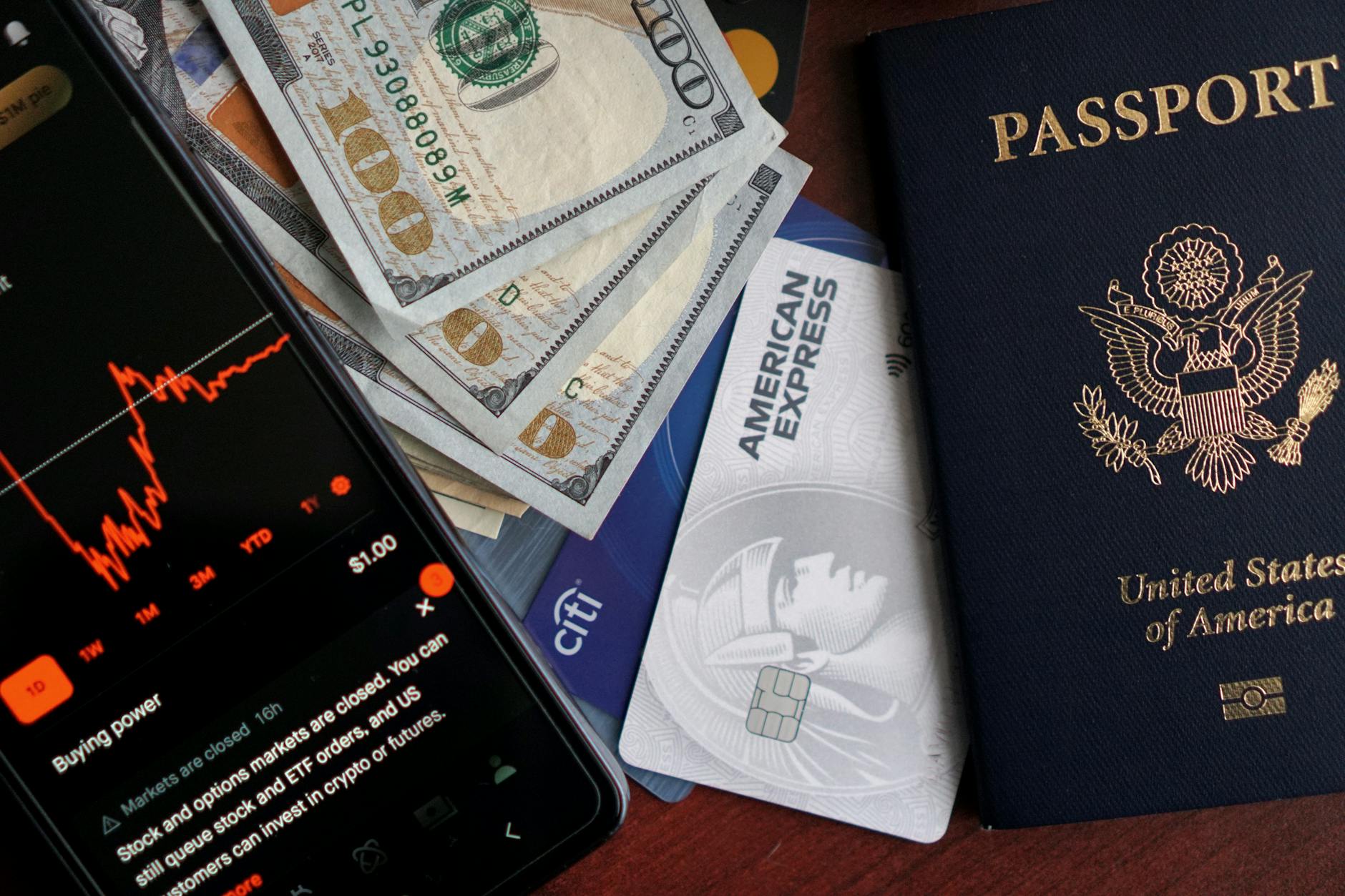

TL;DR: UPI Credit Line offers instant, collateral-free credit directly through your UPI app with lower interest rates starting at 10–14% p.a., while credit cards give broader merchant acceptance, reward points, and EMI flexibility. For everyday Indian spenders under ₹50,000/month, UPI Credit Line is pulling ahead in 2026 — but credit cards still win on international use and premium perks.
India’s credit landscape shifted permanently in 2023 when RBI approved credit lines on UPI, and by 2026, over 40 million Indians are actively using UPI-linked credit. But that still leaves hundreds of millions holding credit cards — wondering if they should switch, combine, or ditch one entirely.
This isn’t a simple answer. Your income, spending habits, and financial discipline determine which product actually saves you money and builds your credit score. Let’s cut through the noise and give you a clear, data-backed comparison.
What Is UPI Credit Line?
UPI Credit Line is a pre-approved revolving credit facility linked directly to your UPI ID, allowing you to spend borrowed money at any UPI-accepting merchant without a physical card.
Looking to buy or compare latest prices online? View verified deals, user reviews, and discounts directly on Amazon India:
Launched under RBI’s 2023 directive, it works through partner banks — HDFC Bank, ICICI Bank, Axis Bank, and SBI — via apps like Google Pay, PhonePe, and Paytm. The bank assesses your creditworthiness using your bank transaction history, CIBIL score, and income proof, then assigns a credit limit typically ranging from ₹5,000 to ₹5 lakh. You borrow only what you need, repay within 30–90 days, and interest kicks in only on outstanding balances after the due date.
The killer feature: every UPI QR code in India — from your neighbourhood kirana to BigBasket — accepts it without any POS machine or card infrastructure. That’s over 350 million active UPI merchants as of Q1 2026, per NPCI data.

Why This Comparison Matters in India in 2026
India’s credit card base crossed 105 million cards in circulation by March 2026, per RBI’s Payment System Indicators. Simultaneously, UPI transactions hit ₹18.41 lakh crore in volume in just January 2026 alone — a 42% year-on-year jump, according to NPCI monthly data.
These two systems are now competing for the same wallet share. Banks like HDFC and ICICI are actively nudging customers toward UPI Credit Lines to reduce card issuance costs. Meanwhile, Visa and Mastercard are lobbying hard to protect their credit card dominance in India.
📊 Key stat: India’s buy-now-pay-later and credit line market is projected to reach $45 billion by 2026, per IBEF’s Fintech India report — with UPI-linked credit accounting for nearly 30% of that figure.
For Indian consumers, the stakes are real: choosing the wrong credit instrument can mean paying 8–12% more in interest annually, missing reward points worth ₹10,000+ per year, or damaging your CIBIL score through misuse.
How UPI Credit Line Works: Step-by-Step
Step 1: Apply Through Your Bank’s UPI App
Open your bank’s official app (HDFC PayZapp, ICICI iMobile, SBI YONO, or a third-party like Google Pay) and navigate to the “Credit Line” or “Overdraft” section. You’ll need a CIBIL score of 700+ and minimum monthly income of ₹15,000 for most banks. The pre-approval check takes 2–5 minutes — no branch visit required.
Step 2: Activate the Credit Limit on Your UPI ID
Once approved, your credit line is linked to your existing UPI ID. You’ll see a separate “Credit” balance alongside your bank balance when you open any UPI payment screen. Some apps like PhonePe display it as “Credit by [Bank Name]” to keep it distinct from your own funds.
Step 3: Spend and Repay Within the Interest-Free Window
Scan any UPI QR code and select your credit line as the payment source. You get a 30–45 day interest-free window on most products. After that, interest ranges from 10% to 24% p.a. depending on your bank. Set up auto-repay from your savings account to avoid late fees — usually ₹200–₹500 per missed payment.
UPI Credit Line vs Credit Card: Quick Comparison
| Feature | UPI Credit Line | Credit Card |
|---|---|---|
| Annual Fee | ₹0 (most products) | ₹500–₹5,000 |
| Interest Rate | 10–24% p.a. | 36–42% p.a. |
| Merchant Acceptance | UPI QR only (350M+ in India) | Swipe/tap globally |
| International Use | ❌ Not supported | ✅ Yes |
| Reward Points | ❌ Minimal/none | ✅ 1–5% cashback |
| Credit Limit Range | ₹5,000–₹5 lakh | ₹20,000–₹25 lakh |
| Approval Speed | 2–5 minutes | 3–7 days |
| EMI Conversion | ❌ Limited | ✅ Yes (0% EMI deals) |
| Credit Score Impact | ✅ Yes (positive if repaid) | ✅ Yes |
| Lounge Access | ❌ No | ✅ Premium cards only |
| India Support | ✅ Excellent | ✅ Excellent |
| Ease of Use | ⭐⭐⭐⭐⭐ | ⭐⭐⭐⭐ |
Best UPI Credit Line and Credit Card Options in India 2026
Picking the right product depends on your spending pattern. Here are the top five options currently available to Indian consumers.
1. HDFC Bank UPI Credit Line (via PayZapp)
HDFC offers credit lines up to ₹3 lakh at 10.5–16% p.a. for salaried customers with 750+ CIBIL scores. It integrates directly with Google Pay and PhonePe, making it the most widely accepted UPI credit product in 2026.
2. ICICI Bank Credit Line on UPI (iMobile)
ICICI’s “Cardless EMI” credit line goes up to ₹2 lakh with a 45-day interest-free period — the longest in the market currently. Particularly strong for online shopping on Flipkart and Amazon India.
3. HDFC Millennia Credit Card
At ₹1,000/year (waived on ₹1 lakh annual spend), this card gives 5% cashback on Amazon, Flipkart, Swiggy, and Zomato — genuinely valuable for urban Indian millennials. The annual reward value easily crosses ₹3,000–₹5,000 for moderate spenders.
4. Axis Bank Ace Credit Card
One of the highest flat cashback cards in India at 2% on all spends and 5% on bill payments via Google Pay. Annual fee ₹499 (reversed on ₹2 lakh annual spend). Excellent for people who dislike tracking reward point categories.
5. SBI SimplyCLICK Credit Card
Ideal for first-time credit card users — ₹499/year, 10X rewards on Amazon and BookMyShow, and widely accepted at SBI partner merchants. SBI’s network depth makes this a strong rural and semi-urban option.
How to Manage Both Smartly and Save More in India
The sharpest financial move in 2026 isn’t choosing one over the other — it’s using them for what each does best.
Use your UPI Credit Line for daily offline spending: groceries, local transport, small restaurants, and utility QR payments. The zero annual fee and lower interest rate (if you ever miss a payment) make it forgiving. Track it easily inside apps like ET Money, which now integrates UPI credit line tracking alongside your credit cards, loans, and investments in one dashboard — saving serious time on monthly budgeting.
Use your credit card for online shopping, international bookings, large purchases that benefit from EMI, and anywhere that offers card-specific discounts (Swiggy, Zomato, and BookMyShow frequently run 15–20% off on specific cards).
💡 Pro tip: Use ET Money to set separate spending alerts for your UPI credit line and credit card. Indian users report saving an average of ₹2,400/month by catching unnecessary spends before the billing cycle closes.
For anyone also looking to grow their money beyond just managing credit — investing SIPs in mutual funds through platforms like Groww alongside disciplined credit use is how middle-income Indians are genuinely building wealth in 2026.
Frequently Asked Questions
Q: Does using a UPI Credit Line improve my CIBIL score in 2026?
A: Yes. UPI Credit Line repayments are reported to credit bureaus like CIBIL and Experian by partner banks. Regular on-time repayment can improve your CIBIL score by 20–40 points over 6 months, similar to timely credit card payments.
Q: What is the interest rate on UPI Credit Line compared to credit cards in India?
A: UPI Credit Lines charge 10–24% p.a., while credit cards charge 36–42% p.a. on outstanding balances. For the same ₹10,000 unpaid balance, you save approximately ₹1,200–₹1,800 annually with a UPI Credit Line.
Q: Can I use a UPI Credit Line for international payments or travel?
A: No. UPI Credit Lines only work within India’s domestic UPI network. For international payments, hotel bookings abroad, or foreign currency transactions, a credit card with zero forex markup — like Niyo Global — remains essential.
Q: Which banks offer UPI Credit Line in India in 2026?
A: HDFC Bank, ICICI Bank, Axis Bank, SBI, Kotak Mahindra Bank, and IndusInd Bank currently offer UPI Credit Lines via partner UPI apps. Eligibility requires a minimum CIBIL score of 700 and income proof.
Q: Is UPI Credit Line safe for Indian consumers? What happens if a transaction is disputed?
A: Yes. RBI’s consumer protection guidelines cover UPI Credit Line disputes. File a complaint within 3 days via your bank app or the NPCI helpline (1800-120-1740). Unauthorized transaction liability is capped at ₹0 if reported within 24 hours.
Conclusion
In 2026, UPI Credit Line wins on cost, convenience, and accessibility for everyday India — no annual fee, lower interest rates, and instant approval through apps most Indians already use. Credit cards win on rewards, international use, EMIs, and premium lifestyle perks.
The smart play: hold one good credit card for online shopping and travel, and activate a UPI Credit Line for daily offline spending. Together, they cover every use case while keeping your interest costs near zero if you repay on time.
Start by checking your eligibility for UPI Credit Line through your bank app today — it takes under five minutes. Then review your credit card’s annual reward value; if you’re not earning back at least 1.5x your annual fee in benefits, it’s worth switching to a fee-free option.
For more India-focused finance strategies, explore our personal finance guides for Indian earners and learn how to build credit score fast in India with practical steps.
📥 Want to earn more alongside managing your credit? Get our Top 50 AI Tools to Make Money (PDF) — ₹199 to ₹499. 50 curated AI tools Indian freelancers and creators are using to add ₹10,000–₹50,000/month in income, with step-by-step guidance for each.
⚡ Join our VIP Telegram for Daily 70–90% Loot Deals: Don’t miss instant Amazon & Flipkart price drops, verified tech discounts, and lightning sales! 👉 Join @offers99infostore Free on Telegram ↗








1 comment
📥 Get our “Top 50 AI Tools to Make Money (PDF)” — ₹199 – ₹499 at https://99infostore.com/product/top-50-ai-tools-pdf