
TL;DR: Eating healthy on an Indian diet does not require expensive superfoods or complicated meal prep. These 10 breakfast ideas stay under 300 calories each, use everyday Indian ingredients, and are backed by nutrition data — helping you manage weight, energy, and blood sugar without giving up taste.
Starting your morning right is one of the highest-leverage health decisions you make every day. Yet most Indian breakfasts — parathas loaded with butter, sweet chai with biscuits, or fried poha — quietly push you past 500–700 calories before 9 AM without you realizing it.
The good news: traditional Indian food has some of the most nutrient-dense, low-calorie options in the world. You just need to know which combinations work. This guide covers 10 breakfast ideas, each scientifically kept under 300 calories, built from ingredients available at any kirana store or supermarket in India.
Whether you are trying to lose weight, manage diabetes, or simply feel less sluggish by noon, these breakfasts deliver real results.
What Is a Low-Calorie Indian Breakfast?
A low-calorie Indian breakfast is a morning meal prepared using traditional Indian ingredients — dals, vegetables, whole grains, and spices — that stays at or below 300 kilocalories per serving while providing adequate protein, fibre, and micronutrients.
Looking to buy or compare latest prices online? View verified deals, user reviews, and discounts directly on Amazon India:
This is not a diet fad. The Indian Council of Medical Research (ICMR) recommends breakfast should contribute 20–25% of daily caloric intake for adults. For a 1,400–1,600 calorie weight-loss diet, that means targeting 280–400 calories at breakfast. Staying under 300 calories leaves room for a mid-morning snack while keeping your overall intake in check.
Low-calorie does not mean low-nutrition. The breakfasts in this guide average 10–18 grams of protein per serving and 4–8 grams of dietary fibre — both critical for satiety and metabolic health. All recipes use ingredients costing under ₹50 per serving, making them practical for Indian households at every income level.

Why Low-Calorie Breakfasts Matter for Indian Health in 2026
India is facing a quiet metabolic crisis. According to the Indian Council of Medical Research’s National NCD Monitoring Survey 2026, over 101 million Indians now live with Type 2 diabetes, and obesity prevalence in urban adults has crossed 40% in cities like Mumbai, Delhi, and Bengaluru. Breakfast habits are a direct contributing factor.
📊 Key stat: A 2026 ICMR-NIN study found that Indians who skip breakfast or eat high-glycaemic morning meals are 34% more likely to develop insulin resistance within five years compared to those eating low-GI, high-fibre breakfasts.
The economic burden is also significant. IBEF data from 2026 shows India’s healthcare spending on lifestyle diseases crossed ₹7 lakh crore annually — much of it preventable through dietary changes. Switching your breakfast alone can reduce fasting blood sugar, lower LDL cholesterol, and cut daily caloric intake by 200–400 calories without any other lifestyle change.
The breakfasts listed below are specifically designed for Indian metabolisms, Indian kitchens, and Indian budgets. They work because they are low on the glycaemic index, high in plant protein, and built from foods Indians already enjoy eating.
For more evidence-based nutrition guidance rooted in Indian dietary patterns, the National Institute of Nutrition’s dietary guidelines remain the most reliable free resource available.
10 Healthy Indian Breakfasts Under 300 Calories: The Full List
1. Moong Dal Chilla (2 pieces) — ~180 Calories
Moong dal chilla is a protein-packed savoury pancake made from soaked and blended green moong dal. Two medium chillas made without oil (use a non-stick pan) deliver approximately 180 calories, 14 grams of protein, and 4 grams of fibre.
Add finely chopped onions, green chilli, and coriander into the batter. Serve with a small bowl of low-fat curd. The dal provides slow-digesting protein that keeps hunger at bay until lunch. Total ingredient cost: ₹18–22 per serving.
2. Oats Upma with Vegetables — ~210 Calories
Replace semolina with rolled oats in your standard upma recipe. One cup of cooked oats upma with mixed vegetables (carrots, peas, beans) and standard tempering using just half a teaspoon of oil lands at approximately 210 calories.
Oats contain beta-glucan, a soluble fibre clinically proven to lower LDL cholesterol. This is particularly relevant for Indian adults, where cardiovascular disease risk is genetically higher than global averages, according to research published in the Indian Heart Journal (2024).
3. Sprouts Salad with Lemon and Chaat Masala — ~150 Calories
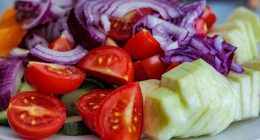
One bowl (150g) of mixed sprouts — moong, chana, or matki — with diced tomato, cucumber, raw onion, lemon juice, and a pinch of chaat masala delivers around 150 calories and an impressive 10–12 grams of protein.
Sprouts are one of the most cost-efficient protein sources in India. A 100g serving of moong sprouts costs under ₹10 at most sabzi mandis. They require zero cooking and take three minutes to prepare. Add a boiled egg on top if you want to push protein to 18 grams while staying under 220 calories total.
4. Idli (3 pieces) with Sambar — ~220 Calories
Three standard-sized idlis with 100ml of vegetable sambar (no coconut chutney, which adds ~80 calories) total approximately 220 calories. Idli is naturally fermented, making it excellent for gut health and nutrient absorption.
Idli has a moderate glycaemic index of around 69, but the fermentation process increases bioavailability of B vitamins and minerals. Pair with sambar rich in toor dal for an additional 6 grams of protein. This is one of the most complete low-calorie South Indian breakfasts available.
5. Besan Dhokla (4 pieces) — ~180 Calories
Steamed dhokla made from besan (chickpea flour) is a classic Gujarati breakfast that happens to be nutritionally excellent. Four medium pieces deliver approximately 180 calories, 9 grams of protein, and are naturally low in fat when steamed (not fried).
The fermentation involved in traditional dhokla preparation increases lactic acid bacteria content, supporting healthy gut microbiome — a factor increasingly linked to metabolic health and weight management in 2026 research from AIIMS Delhi.
6. Poha with Peas and No Excess Oil — ~230 Calories
Standard poha made with 1.5 teaspoons of oil, half a cup of flattened rice, green peas, mustard seeds, and curry leaves lands at approximately 230 calories. The key is controlling oil — most home recipes use 2–3 tablespoons, which adds 240–360 calories before you account for the grain.
Use a measured half teaspoon of oil per serving. Add roasted peanuts (10–12 pieces) for crunch and an additional 4 grams of protein without exceeding the 300-calorie ceiling. Poha is also iron-fortified when made from red rice flakes — important for Indian women, among whom anaemia affects over 57%, per NFHS-5 data.
7. Greek-Style Hung Curd with Banana and Chia Seeds — ~260 Calories
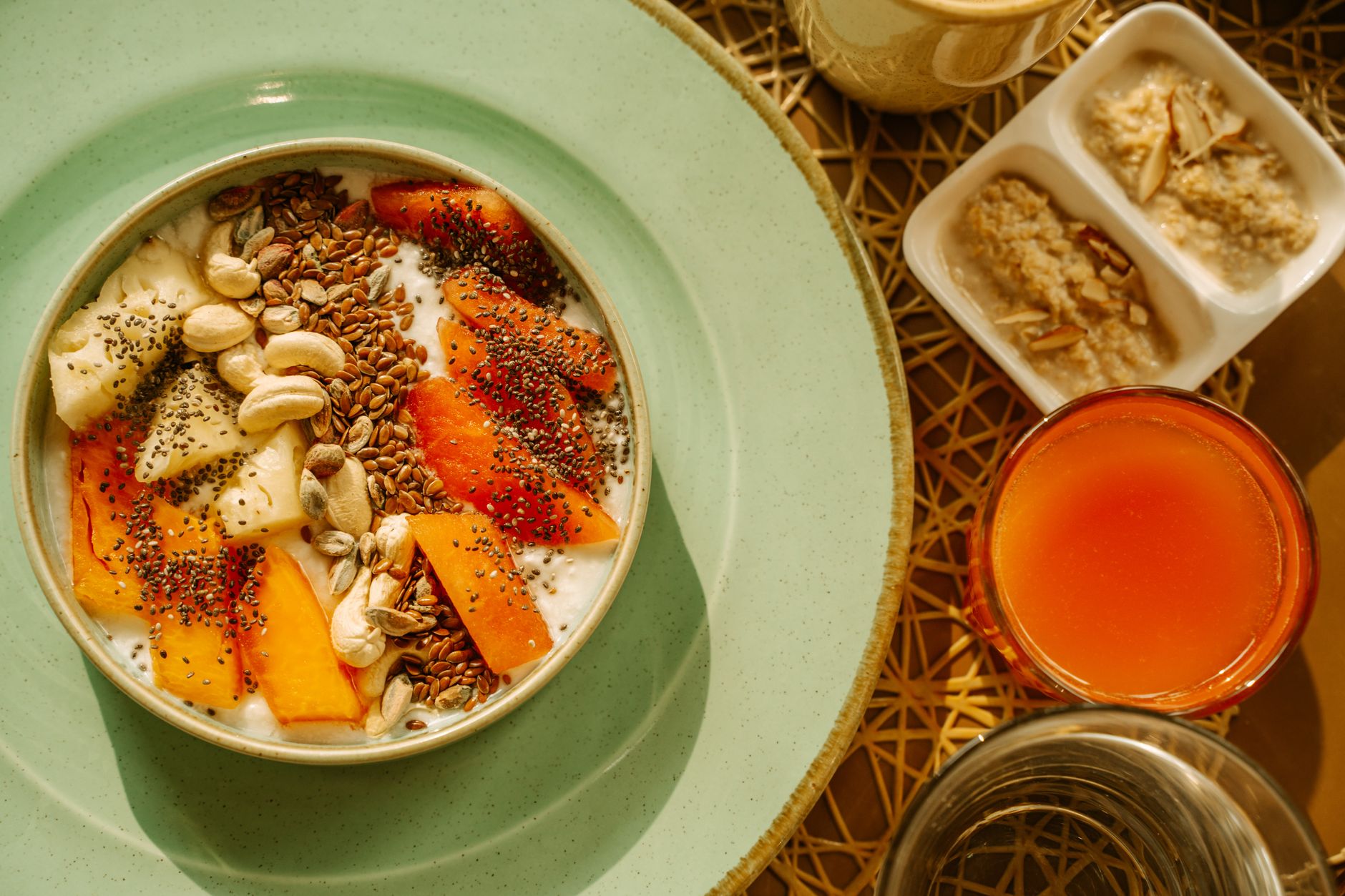
Strain regular dahi through a muslin cloth for two hours to make hung curd — the Indian equivalent of Greek yogurt. One cup (150g) of hung curd with half a banana and one teaspoon of chia seeds totals approximately 260 calories and 15 grams of protein.
This is the fastest breakfast on this list (three minutes of actual preparation, two hours of passive straining you can start the night before). Chia seeds provide omega-3 fatty acids, which are chronically deficient in vegetarian Indian diets. A 500g pack of chia seeds costs ₹120–180 at most D-Mart or BigBasket stores.
8. Ragi (Finger Millet) Porridge — ~200 Calories
One cup of ragi porridge made with water or low-fat milk, sweetened with half a teaspoon of jaggery, delivers approximately 200 calories. Ragi is one of the richest plant-based sources of calcium available in India — providing 344mg per 100g, nearly matching dairy.
This matters especially for Indian women over 30 and vegans, who often fall significantly below RDA calcium targets. Ragi flour costs ₹60–80 per kg and is available nationwide. Karnataka and Andhra Pradesh consume ragi routinely; northern Indian readers will find it an easy addition to their morning rotation.
9. Egg White Bhurji with One Multigrain Toast — ~240 Calories
Three egg whites scrambled with half a teaspoon of ghee, chopped onion, tomato, green chilli, and turmeric, served alongside one slice of multigrain bread, totals approximately 240 calories and delivers 20+ grams of protein — the highest in this list.
Egg whites cost roughly ₹6–8 per egg at current 2026 market rates. This is the most protein-efficient breakfast here. For non-vegetarians managing weight or blood sugar, this combination is hard to beat. The multigrain toast adds complex carbohydrates that blunt the glycaemic spike better than white bread.
10. Vegetable Dalia (Broken Wheat Porridge) — ~250 Calories
One cup of cooked dalia with mixed vegetables (carrot, beans, capsicum) and light tempering using half a teaspoon of oil totals approximately 250 calories. Broken wheat has a lower glycaemic index than rice or maida and is rich in B vitamins, iron, and magnesium.
Dalia is widely prescribed by Indian nutritionists and diabetologists as a breakfast staple. It is filling, cheap (₹50–70 per kg), widely available, and takes 15 minutes to cook. Adding a cup of buttermilk on the side brings the total to 280 calories while adding probiotics and calcium.
Low-Calorie Indian Breakfast vs. Standard Indian Breakfast: Quick Comparison
| Feature | Low-Calorie (This List) | Standard Indian Breakfast |
|---|---|---|
| Average calories | 180–260 kcal | 450–700 kcal |
| Protein per meal | 10–20g | 4–8g |
| Fibre content | 4–8g | 1–3g |
| Glycaemic index | Low–Medium | Medium–High |
| Cost per serving | ₹15–50 | ₹40–120 |
| Prep time | 5–20 mins | 15–30 mins |
| Satiety (hrs) | 3–4 hours | 1.5–2.5 hours |
How to Build These Breakfasts Into a Weekly Routine
Step 1: Pick Three Core Breakfasts to Rotate
Decision fatigue kills healthy habits. Choose three breakfasts from the list above — ideally one quick option (sprouts salad, hung curd), one moderate-prep option (moong chilla, poha), and one batch-cook option (dalia, oats upma). Rotate them across the week.
Step 2: Prep Ingredients the Night Before
Soak moong dal or chana overnight. Strain curd before sleeping. Keep pre-chopped vegetables in an airtight container in the fridge. This cuts morning prep to under five minutes for most options on this list.
Step 3: Track Portions for the First Two Weeks
Most calorie overruns in Indian cooking come from oil. Use a measuring spoon, not a pour. Half a teaspoon of oil (2.5ml) adds 11 calories. One tablespoon (15ml) adds 135 calories. That single habit change can save 100–250 calories per meal.
For additional evidence-based guidance on structuring a healthy Indian diet, the Eat Right India initiative by FSSAI provides free, peer-reviewed meal planning resources specifically designed for Indian dietary patterns.
You can also explore our guide to healthy eating habits for busy Indian professionals and budget nutrition tips for Indian families on 99infostore.com.
Frequently Asked Questions
Q: Which Indian breakfast under 300 calories has the highest protein content?
A: Egg white bhurji with one multigrain toast provides 20+ grams of protein at approximately 240 calories — the highest protein-to-calorie ratio on this list. For vegetarians, moong dal chilla (2 pieces) provides 14 grams of protein at 180 calories.
Q: Can diabetic Indians eat these low-calorie breakfasts safely?
A: Yes. Most options here — ragi porridge, oats upma, moong chilla, and dalia — have low to moderate glycaemic indices suitable for Type 2 diabetics. Always consult your diabetologist before making dietary changes if you are on insulin or medication.
Q: Is poha actually healthy, or is it just a popular myth?
A: Poha is genuinely healthy when made with minimal oil. It is light, easily digestible, iron-rich (especially red poha), and low in calories at 230 per controlled serving. The problem is portion size and excess oil — both fixable with a measuring spoon.
Q: How many calories should an Indian adult eat at breakfast for weight loss?
A: ICMR recommends breakfast contribute 20–25% of daily calories. On a standard 1,400-calorie weight-loss diet, that equals 280–350 calories. All 10 breakfasts in this list fall comfortably within that target range.
Q: Are these Indian breakfasts suitable for children under 12?
A: Most options work well for children, but portion sizes and calorie targets differ significantly. Children aged 6–12 typically need 1,600–2,000 calories daily. Scale portions up by 30–50% and consult a paediatric nutritionist for personalised guidance.
Conclusion
Healthy eating on an Indian diet is not about eliminating carbs, buying expensive supplements, or following Western diet trends. It is about making smarter choices with the ingredients already in your kitchen. These 10 breakfasts — from moong chilla and sprouts salad to ragi porridge and egg white bhurji — keep you under 300 calories without sacrificing flavour, satiety, or the Indian taste profile you grew up with.
Start with one switch this week. Replace your usual breakfast with any option from this list for seven days and track how your energy and hunger levels change by midday. Small, consistent changes compound into significant health outcomes over months.
For more practical health and productivity tools built specifically for Indian users, explore the health resource section and our AI tools and productivity guides at 99infostore.com.
📥 Want more tools to upgrade your life? Get our Top 50 AI Tools to Make Money (PDF) — ₹199 to ₹499. Curated for Indian creators, freelancers, and entrepreneurs ready to earn smarter in 2026.
⚡ Join our VIP Telegram for Daily 70–90% Loot Deals: Don’t miss instant Amazon & Flipkart price drops, verified tech discounts, and lightning sales! 👉 Join @offers99infostore Free on Telegram ↗




![Best Diwali Gift Ideas Under ₹1000 in India (2026): Useful Tech & Festive Hampers [Top 10 Picks] - 99InfoStore Festive Tech Gift Guide](https://99infostore.com/wp-content/uploads/2026/10/best-diwali-gifts-under-1000-india-2026-260x140.jpg)
![Dhanteras 2026 Silver Buying: Hallmarking Rules, Rates & Pure Coins Guide [With Calculator] - 99InfoStore Festive Finance Guide](https://99infostore.com/wp-content/uploads/2026/10/dhanteras-2026-silver-buying-guide-260x140.jpg)