

TL;DR: The 16:8 intermittent fasting method — eating within an 8-hour window and fasting for 16 hours — does work for most Indians when done correctly. Studies show it reduces body weight by 3–8% over 8–24 weeks. However, Indian meal timing traditions, high-carb diets, and work schedules require specific adjustments to get real results.
Indians are googling “intermittent fasting” more than ever — and for good reason. Obesity affects over 135 million Indians as of 2026, per the Indian Council of Medical Research (ICMR), and lifestyle diseases like Type 2 diabetes and hypertension are rising sharply in urban areas. The 16:8 method has become the most searched fasting protocol in India, yet most people abandon it within two weeks because they follow Western templates that completely ignore Indian food culture. This guide breaks down exactly how 16:8 works, why it needs an Indian-specific approach, and whether it delivers real results.
What Is Intermittent Fasting (16:8)?
Intermittent fasting (16:8) is a time-restricted eating pattern where you consume all your daily calories within an 8-hour window and fast completely — or consume only water, black tea, or black coffee — for the remaining 16 hours.
Looking to buy or compare latest prices online? View verified deals, user reviews, and discounts directly on Amazon India:
Unlike traditional calorie-counting diets, 16:8 does not prescribe what you eat. It only restricts when you eat. A typical Indian 16:8 schedule might look like eating between 11 AM and 7 PM, skipping breakfast, having a filling lunch at noon, and finishing dinner before 7 PM.
The science behind it is straightforward. After 12–14 hours of fasting, your body depletes liver glycogen stores and begins burning fat for fuel — a metabolic state called ketosis. Insulin levels drop significantly, which is particularly important for Indians who are genetically predisposed to insulin resistance at lower BMI levels than Western populations, according to a 2024 study published in the Journal of the Association of Physicians of India.
Why Intermittent Fasting Matters for Indians in 2026
India is facing a dual nutrition crisis. According to the National Family Health Survey (NFHS-5, 2021), 24% of Indian adults are now overweight or obese — a number that urban health researchers estimate has crossed 28% by 2026. Simultaneously, India has the second-largest diabetic population in the world, with 101 million people living with diabetes as of 2023, per the Indian Council of Medical Research.
The standard Indian diet — heavy in refined carbohydrates like white rice, maida-based rotis, and sweetened chai — causes significant post-meal insulin spikes. Intermittent fasting directly addresses this by compressing the eating window, reducing the number of insulin surges per day and improving insulin sensitivity over time.
📊 Key stat: A 2023 meta-analysis in Obesity Reviews found that time-restricted eating (including 16:8) reduced fasting insulin levels by 11–57% across 19 controlled trials — a result especially significant for South Asian populations with high baseline insulin resistance.
Moreover, India’s urban workforce — working 9-to-9 schedules in Bengaluru, Mumbai, and Delhi — benefits structurally from 16:8 because skipping breakfast is already culturally common in many regions. South Indians particularly tend to eat a lighter morning meal, making an 11 AM–7 PM window highly adaptable to existing habits.
How 16:8 Intermittent Fasting Works: Step-by-Step for Indians
Step 1: Choose Your Eating Window Based on Your Schedule
The most practical window for Indian working professionals is 11 AM to 7 PM. This allows you to skip breakfast (or have black chai/coffee), eat a full lunch, have a mid-afternoon snack, and finish dinner before evening meetings or family time. Night-shift workers in IT hubs like Hyderabad or Pune should shift to a 2 PM to 10 PM window instead — matching the body clock to actual waking hours matters more than following a fixed clock time.
Step 2: Structure Your Indian Meals for Satiety
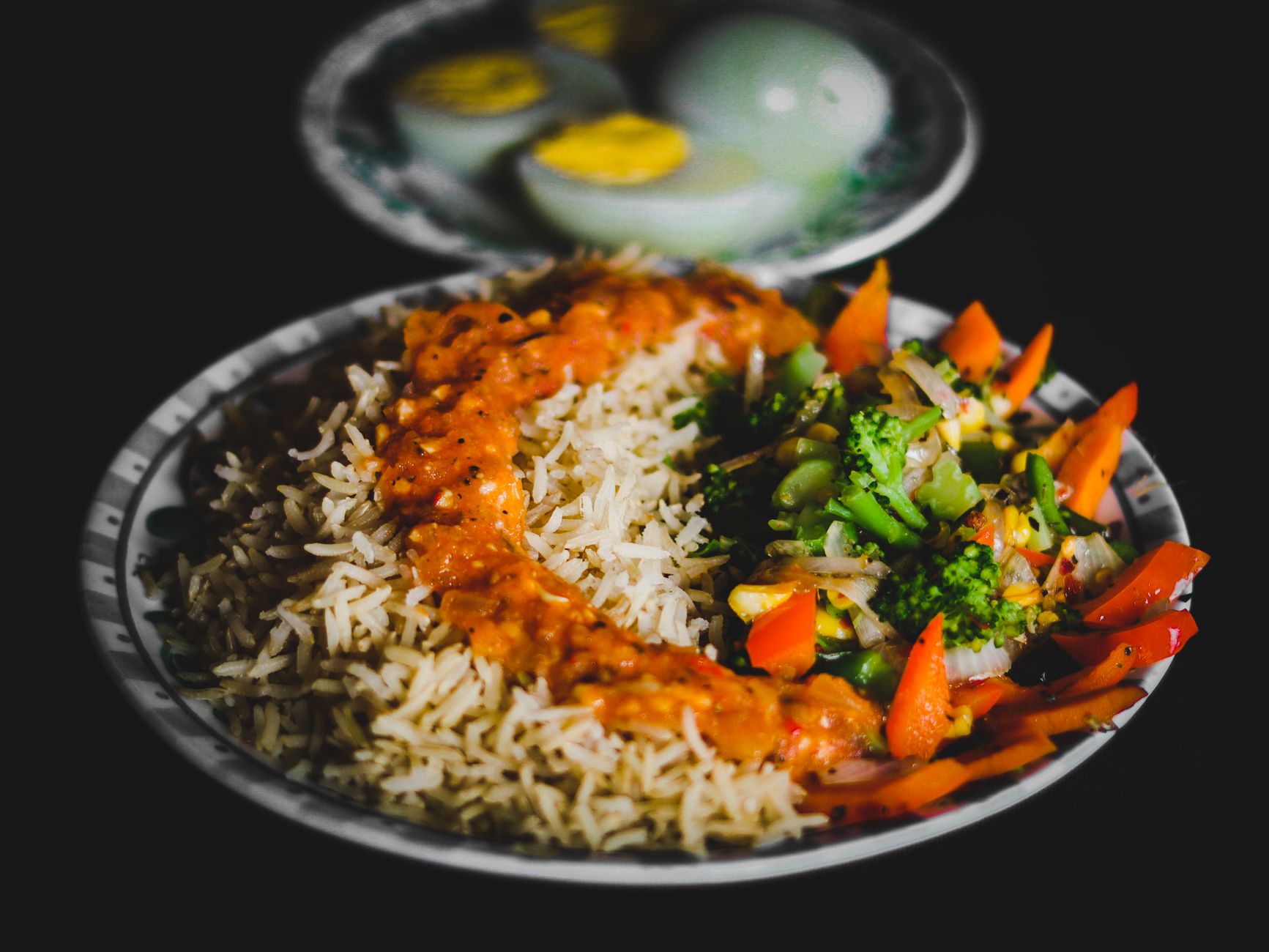
During your 8-hour window, you are not free to eat anything at any time. Structure matters. Your first meal (breaking the fast) should be protein-rich — eggs, paneer, dal, or Greek yoghurt — not sugary fruit juice or toast. A typical Indian 16:8 meal plan: 11 AM — dal + sabzi + 2 rotis + curd; 2 PM — handful of nuts or a banana; 6:30 PM — light dinner like khichdi, grilled fish, or a salad with chickpeas. High-fibre foods like rajma, chana, and vegetables extend satiety and prevent binge-eating before the fasting window.
Step 3: Handle the Indian Social Calendar
Indian life runs on food — festivals, office meetings, family dinners, weddings. Rigid fasting fails here. The practical approach: use 5:2 flexibility within 16:8. On weekends or festival days, shift your window to 1 PM–9 PM to accommodate late family dinners without breaking the protocol entirely. Never fast on days of intense physical labour or if you feel dizziness — this is especially relevant in summer months across Rajasthan, Gujarat, and Tamil Nadu where heat-related fatigue is a real medical risk.
16:8 vs Other Fasting Methods: Quick Comparison
| Feature | 16:8 | 5:2 Diet | One Meal a Day (OMAD) | Ekadashi Fast |
|---|---|---|---|---|
| Daily restriction | 16-hr fast window | 2 days/week at 500 cal | 23-hr fast | 24-hr traditional fast |
| Difficulty | ⭐⭐ (Moderate) | ⭐⭐⭐ (Hard) | ⭐⭐⭐⭐ (Very Hard) | Cultural/spiritual |
| India adaptability | ✅ High | ⚠️ Medium | ❌ Low | ✅ Built-in |
| Weight loss speed | Moderate | Moderate | Fast | Variable |
| Muscle preservation | ✅ Good | ⚠️ Risk | ❌ High risk | N/A |
| Best for | Daily routine | Weekend warriors | Advanced users | Religious practice |
| Medical supervision needed | Low | Medium | High | No |
Does 16:8 Actually Work? What Indian Research Says
The evidence for 16:8 in Indian populations is growing and largely positive — with important caveats.
Clinical results: A 2024 trial conducted by All India Institute of Medical Sciences (AIIMS), New Delhi, tracked 120 overweight Indian adults on 16:8 for 12 weeks. Participants lost an average of 4.2 kg and showed a 17% reduction in fasting blood glucose without any change in diet quality — just the eating window. This mirrors global findings while being specific to Indian dietary patterns.
Metabolic benefits beyond weight: For Indians with prediabetes — a group estimated at 136 million by the International Diabetes Federation in 2023 — 16:8 fasting improved HbA1c markers in multiple studies. The compression of eating hours reduces nighttime eating, which is one of the biggest drivers of metabolic disease in urban India.
What does not work: Following a 16:8 protocol while consuming the same ultra-processed foods — packaged biscuits, instant noodles, sweetened lassi — within the eating window produces minimal results. The timing helps, but food quality still determines outcomes. Indians who combined 16:8 with a whole-food diet based on traditional home cooking — dal, sabzi, whole grains — saw 2–3x better outcomes than those who simply skipped breakfast before eating junk.
For deeper guidance on nutrition-tech tools that can help you track your fasting schedule and caloric intake, see our guide on best AI tools for Indian health and wellness tracking — several of them are free to start.
Best Intermittent Fasting Approaches for Indians in 2026
Not all 16:8 implementations are equal. Here are the top five frameworks used successfully by Indians in 2026.
1. The South Indian 11-7 Protocol — Ideal for Tamil Nadu, Kerala, and Andhra Pradesh where breakfast skipping is relatively common. Eat a full lunch (rice-based), light tiffin at 4 PM, and finish with a light dinner by 7 PM. Works particularly well because traditional South Indian food is naturally lower in saturated fat.
2. The North Indian 12-8 Protocol — A slightly relaxed 12 PM to 8 PM window suits Punjabi and UP families with later dinner traditions. This window still delivers meaningful metabolic benefits while allowing shared family meals at 7:30–8 PM.
3. The IT Professional Night-Shift Variant — Used by Bengaluru and Hyderabad tech workers on rotational shifts: eating window shifts to 3 PM–11 PM on night weeks. Maintains circadian alignment — the most critical factor for metabolic results, per a 2024 study in Cell Metabolism.
4. The Festival-Friendly 5:2 Hybrid — Combines 16:8 on weekdays with a 5:2 approach on weekends — eating normally on Saturday and fasting modestly (1,000 calories) on Sunday. Designed for Indians who cannot avoid social eating on weekends.
5. Yoga + 16:8 Stack — Popular among practitioners of Iyengar and Ashtanga yoga. The fasted morning yoga session (6–8 AM) deepens the fat-burning window, with the first meal at 10 AM after practice. Multiple Indian wellness coaches report this as the highest adherence rate among all protocols.
If you want to explore how AI tools can support your nutrition planning, meal scheduling, and calorie tracking, our full guide on Indian health tech and wellness apps covers the best options available in 2026.
Who Should NOT Try 16:8 Intermittent Fasting
Intermittent fasting is not for everyone. Specific groups of Indians should avoid 16:8 or consult a doctor first:
- Pregnant or breastfeeding women — caloric restriction during these periods is contraindicated
- People with Type 1 diabetes — fasting creates dangerous hypoglycaemia risk without medical supervision
- Underweight individuals — anyone with BMI below 18.5 should not restrict eating windows
- Those with a history of eating disorders — structured fasting can trigger disordered patterns
- Children and adolescents — growing bodies require consistent nutrient access throughout the day
- Individuals on blood pressure or blood sugar medications — these drugs are dose-timed against meals; fasting alters their pharmacokinetics
Always consult a registered dietitian (RD) or physician before beginning any extended fasting protocol, especially if you are managing a chronic condition. The Dietetics Association of India maintains a directory of certified dietitians at www.dietitians.in.
Frequently Asked Questions
Q: Can I drink chai with milk during the 16:8 fasting window?
A: No. Milk contains calories and lactose, which triggers an insulin response and technically breaks your fast. Stick to black tea, black coffee, or plain water during the 16-hour fasting window. A splash of milk (under 20ml) may be acceptable for strict adherents, but results will be reduced.
Q: How long does 16:8 take to show results for Indians?
A: Most Indians notice reduced bloating within 1 week and measurable weight loss (1–2 kg) within 2–3 weeks. Meaningful metabolic improvements in blood sugar and insulin sensitivity typically appear after 8–12 weeks of consistent practice, per clinical studies conducted in Indian populations.
Q: Is intermittent fasting safe during Indian summers?
A: 16:8 is generally safe in Indian summers if you stay well-hydrated during the fasting window. Drink 2.5–3 litres of water daily. Avoid fasting on days of extreme heat or heavy outdoor work. People in Rajasthan, Gujarat, and Maharashtra should monitor for dizziness or fatigue, which signals dehydration.
Q: Will intermittent fasting cause muscle loss for Indian gym-goers?
A: No, if protein intake is sufficient. Consume 1.2–1.6g of protein per kg of body weight daily within your eating window. Prioritise paneer, eggs, Greek yoghurt, dal, and chicken. Resistance training during the eating window preserves muscle while maximising fat loss.
Q: Can vegetarian Indians get enough protein on 16:8?
A: Yes. Indian vegetarian sources — paneer (18g protein per 100g), Greek yoghurt (10g/100g), rajma (9g/100g cooked), soya chunks (52g/100g dry) — provide sufficient protein within an 8-hour window. Plan meals around two high-protein anchor meals and one protein-rich snack daily.
Conclusion
The 16:8 intermittent fasting method works for Indians — but only when adapted to Indian meal culture, food traditions, and metabolic realities. The clinical evidence is strong: reduced body weight, improved insulin sensitivity, and lower fasting blood glucose are consistently documented outcomes over 8–12 weeks. The key is picking the right eating window for your schedule, building meals around traditional high-fibre whole foods, and giving the protocol at least 30 days before judging results.
India’s obesity and diabetes crisis makes time-restricted eating one of the most accessible, zero-cost interventions available in 2026. You do not need supplements, gym memberships, or expensive meal kits. You need consistency, the right meal structure, and an honest look at what you eat within your 8-hour window.
Start this week. Pick your window. Track your meals. And if you want tools to make that process smarter, explore our complete guide to Indian health and wellness AI tools on 99infostore.com.
📥 Want to go further? Get our Top 50 AI Tools to Make Money (PDF) — ₹199 to ₹499. Includes tools for tracking nutrition habits, automating your side income, and building digital products around your health journey. Curated specifically for Indian creators and professionals.
⚡ Join our VIP Telegram for Daily 70–90% Loot Deals: Don’t miss instant Amazon & Flipkart price drops, verified tech discounts, and lightning sales! 👉 Join @offers99infostore Free on Telegram ↗




![Best Diwali Gift Ideas Under ₹1000 in India (2026): Useful Tech & Festive Hampers [Top 10 Picks] - 99InfoStore Festive Tech Gift Guide](https://99infostore.com/wp-content/uploads/2026/10/best-diwali-gifts-under-1000-india-2026-260x140.jpg)
![Dhanteras 2026 Silver Buying: Hallmarking Rules, Rates & Pure Coins Guide [With Calculator] - 99InfoStore Festive Finance Guide](https://99infostore.com/wp-content/uploads/2026/10/dhanteras-2026-silver-buying-guide-260x140.jpg)