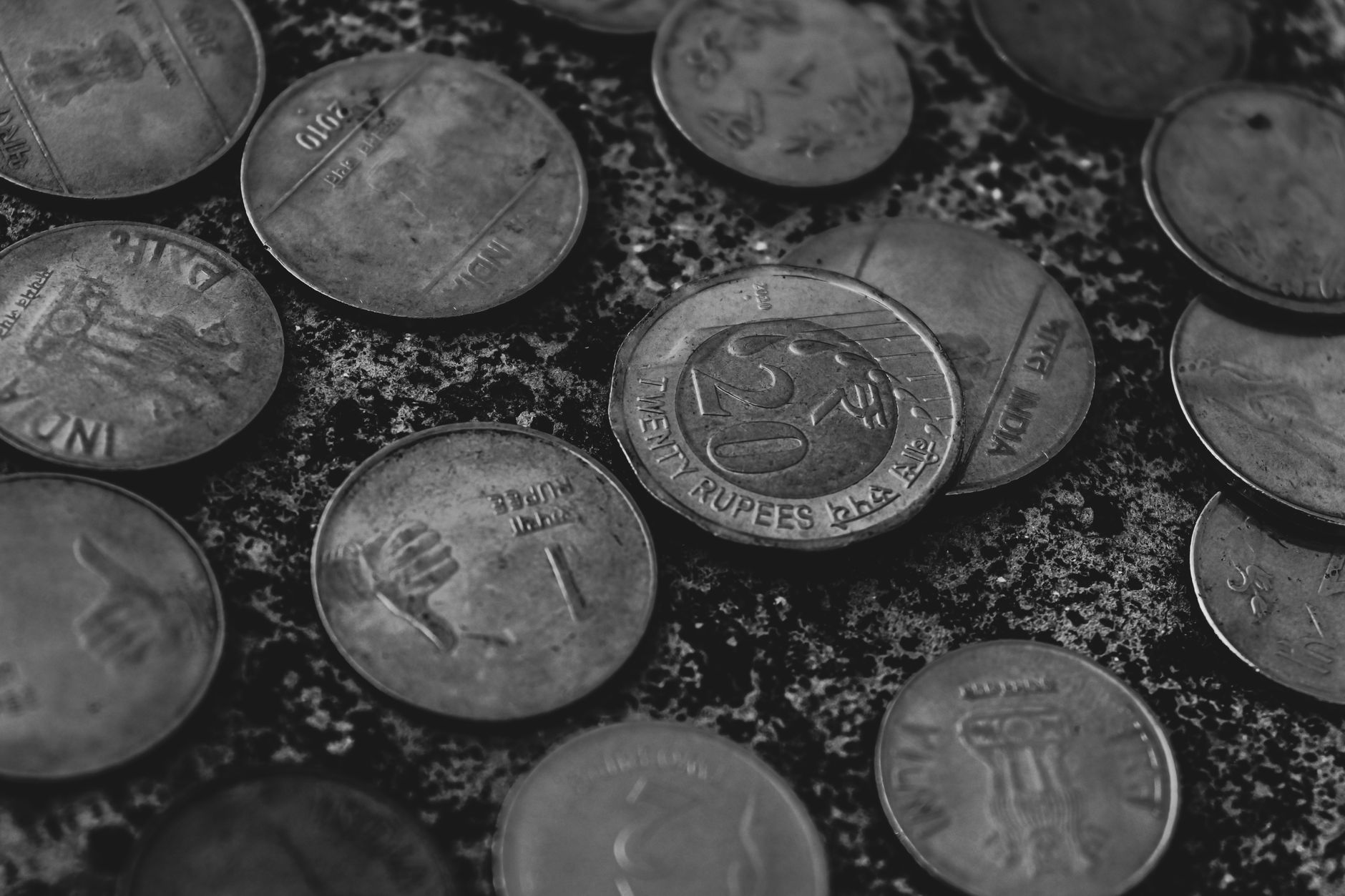

TL;DR: UPI remains India’s dominant payment rail with 18+ billion monthly transactions in 2026, while the Digital Rupee (e₹) is a government-backed CBDC still in phased rollout. For everyday users, UPI wins on convenience. For financial innovation, the Digital Rupee is the long game worth watching.
India’s digital payments landscape just got more complicated — in the best possible way. You now have two government-backed options: UPI, which you already use daily, and the Digital Rupee, which the Reserve Bank of India has been quietly expanding since its 2022 pilot launch. The question every Indian professional, trader, and small business owner is asking in 2026: which one actually puts more money in your pocket?
This guide breaks down both systems — how they work, where they fail, and which one makes more financial sense for your specific situation. Whether you’re a salaried employee, a freelancer billing clients, or a small business owner processing hundreds of transactions, the answer may surprise you.
What Is the Digital Rupee (e₹)?
The Digital Rupee is India’s official Central Bank Digital Currency (CBDC), issued and regulated directly by the Reserve Bank of India.
Unlike UPI — which is a payment interface layered over your existing bank account — the Digital Rupee is actual legal tender in digital form. Think of it as a digital version of the ₹500 note in your wallet, except it lives on your phone and is cryptographically secured by the RBI. It carries no interest (unlike a savings account), cannot be hacked at the banking layer, and works in programmable transaction environments.
The RBI launched the retail e₹ pilot in December 2022 with four banks — State Bank of India, ICICI Bank, Yes Bank, and IDFC First Bank — and has since expanded the program to include 13+ banks and 16 cities as of early 2026, according to the RBI’s official Digital Rupee page.

Why This Comparison Matters in India in 2026
India processed over 18.41 billion UPI transactions worth ₹23.25 lakh crore in January 2026 alone, per NPCI’s official monthly data. That’s a staggering volume no payment system in the world matches at this scale.
But the Digital Rupee pilot has crossed 5 million users and 50 lakh daily transactions as of Q1 2026, according to RBI’s Annual Report projections. Growth is accelerating — and the government is not quietly piloting this anymore. Budget 2026 allocated ₹500 crore specifically toward CBDC infrastructure expansion.
📊 Key stat: UPI’s transaction volume grew 42% year-over-year in 2025–26, per NPCI data. The Digital Rupee user base is growing at an estimated 200% annually from a smaller base.
Here’s why this matters for you financially: both systems are subsidised by the government, both are free to use at the consumer level, but they have fundamentally different implications for how money moves, how data is tracked, and how businesses can build on top of them. Getting this distinction right could save you thousands of rupees in transaction fees if you’re running a business — or cost you opportunities if you ignore the CBDC wave early.
For Indian investors tracking fintech trends, this is also a powerful market signal. Platforms like ET Money can help you identify mutual funds with heavy fintech exposure to capitalise on whichever system wins market share.
How Each System Works: Step-by-Step
Step 1: Setting Up Your Account
UPI: Download any UPI-enabled app — PhonePe, Google Pay, Paytm, or your bank’s official app. Link your existing savings or current account. Create a UPI ID (e.g., yourname@hdfc). Done. The entire setup takes under five minutes and requires no new account.
Digital Rupee: Download a participating bank’s CBDC wallet app (SBI, HDFC, Kotak, Axis, among others). Complete a brief KYC check. The RBI credits your e₹ wallet directly. This is a separate wallet from your bank account — it holds e₹ tokens, not deposit money.
Step 2: Making a Payment
UPI: Scan a QR code, enter a UPI ID, or use a phone number. Funds move from your bank account through the NPCI rail to the recipient’s bank account in real time — 24/7, including bank holidays.
Digital Rupee: Scan a QR or send to a wallet address. The e₹ token transfers instantly from wallet to wallet — without touching the banking system at all. This is the key architectural difference: the Digital Rupee is a peer-to-peer value transfer, not a bank-to-bank instruction.
Step 3: Receiving and Settling Funds
UPI: Money lands in your linked bank account immediately. You earn interest on it (if in savings), can invest it via your bank or apps like Groww, and it integrates with your full financial ecosystem.
Digital Rupee: Tokens land in your e₹ wallet. They are legal tender but earn zero interest. You can transfer them to your bank account, but they don’t automatically do so. For businesses, this means faster settlement without MDR (Merchant Discount Rate) charges, which can matter enormously at scale.

UPI vs Digital Rupee: Quick Comparison
| Feature | UPI | Digital Rupee (e₹) |
|---|---|---|
| Issuer | NPCI (government-backed) | Reserve Bank of India |
| Linked to bank account | ✅ Yes | ❌ No (standalone wallet) |
| Earns interest | ✅ Yes (savings account) | ❌ No |
| Transaction limit | ₹1 lakh/day (standard) | ₹10,000/wallet (retail, current) |
| Merchant fees (MDR) | 0% for P2P, varies P2M | 0% (by RBI mandate) |
| Works offline | ❌ Limited | ✅ Yes (NFC-based testing) |
| Programmable money | ❌ No | ✅ Yes (smart contracts) |
| International use | ✅ Expanding (Singapore, UAE) | 🔄 Pilot stage |
| Privacy level | Bank-mediated | RBI-mediated |
| Ease of use | ⭐⭐⭐⭐⭐ | ⭐⭐⭐ |
| India adoption | ✅ Mass market | 🔄 Growing |
Which One Pays Off More? 5 Real-Use Scenarios
This is where the rubber meets the road. Let’s break it down by who you are and what you need.
1. Salaried Employee Making Everyday Purchases
UPI wins — hands down. The infrastructure is everywhere: kirana stores, petrol pumps, autos, restaurants. Virtually every merchant in urban and semi-urban India accepts UPI. Until the Digital Rupee hits comparable QR penetration (estimated 2027–28), UPI remains the practical daily driver. You also earn interest on your underlying bank balance, which the Digital Rupee wallet cannot offer.
2. Small Business Owner Processing High Volumes
The Digital Rupee has a compelling case here. No MDR charges apply to e₹ transactions by RBI mandate, and settlement is instantaneous at the wallet level. For a business processing ₹10 lakh per month, even a 0.3% MDR reduction equals ₹3,000 saved monthly. The current ₹10,000 wallet limit is the main bottleneck — the RBI is expected to raise this by late 2026.
3. Freelancer Billing Indian Clients
UPI is more practical today. Clients can pay via any UPI app without needing a specific CBDC wallet. Until e₹ adoption crosses 50 million active users, you risk friction by requesting Digital Rupee payments from clients who haven’t set it up.
4. Developer or Fintech Builder
Digital Rupee is where the opportunity is. The programmable money feature — where conditions can be built into transactions (e.g., release payment only when delivery is confirmed) — opens smart contract-like functionality on India’s sovereign currency rail. This is a serious builder opportunity in 2026.
5. Rural or Semi-Urban User with Intermittent Connectivity
Digital Rupee’s offline transaction capability (currently being piloted via NFC cards and feature phones) gives it an edge over UPI in low-connectivity zones. The RBI’s offline e₹ pilot in rural Uttar Pradesh and Bihar showed 94% transaction success rates without internet, per the RBI’s 2025 Currency and Finance Report.
How to Make Money Tracking These Trends in India
Both UPI and the Digital Rupee are reshaping the fintech investment landscape. The companies building infrastructure around CBDC rails — payment processors, KYC providers, cybersecurity firms — represent a significant investment thesis for Indian retail investors.
You can track this through fintech-focused mutual funds or direct equity positions in listed players like CDSL, BSE Ltd, and payment-adjacent fintech companies. Use a platform like Groww to filter mutual funds with technology and fintech sector weightings.
💡 Pro tip: We track our fintech portfolio allocations using ET Money — it gives a clean dashboard for SIP management, fund comparisons, and tax-loss harvesting, all within the Indian regulatory framework. Free to use, with a premium plan at ₹199/month.
For a broader look at AI and digital monetisation tools that work alongside India’s payment revolution, also check out our guide on best AI tools for Indian freelancers and our roundup of top digital income strategies for 2026.
If you’re a creator or consultant wanting to monetise your knowledge in this space — writing about fintech, CBDC, or UPI trends — the tools to do it efficiently matter. Our complete guide to starting a content business in India covers the full stack.
Frequently Asked Questions
Q: Is the Digital Rupee the same as UPI in India?
A: No. UPI is a payment interface connecting your bank account to the NPCI rail. The Digital Rupee (e₹) is actual sovereign digital currency issued by the RBI, stored in a dedicated wallet — not your bank account. They are separate systems that can coexist.
Q: Can I earn interest on Digital Rupee wallet balance in 2026?
A: No. The RBI has explicitly designed e₹ to carry zero interest, similar to physical cash. Your ₹ balance in a savings account earns 2.5–7% interest; your Digital Rupee wallet earns nothing. Transfer e₹ to your bank account to earn interest.
Q: What is the current transaction limit for Digital Rupee (e₹) in India?
A: As of 2026, the retail Digital Rupee wallet limit is ₹10,000 per wallet. The RBI has indicated a phased increase. UPI allows up to ₹1 lakh per transaction for standard accounts, and ₹5 lakh for verified categories like healthcare and education.
Q: Is it safe to use the Digital Rupee in India?
A: Yes. The Digital Rupee is issued and backed directly by the Reserve Bank of India, making it as safe as physical cash — without risk of bank default. It uses cryptographic token-based security. The primary risk is wallet device loss, similar to losing a prepaid card.
Q: Which is better for small businesses — UPI or Digital Rupee?
A: For high-volume merchants, the Digital Rupee is increasingly attractive because of zero MDR and instant wallet settlement. However, UPI’s near-universal merchant acceptance and higher transaction limits make it more practical for most small businesses in 2026 until e₹ infrastructure matures.
Conclusion
UPI and the Digital Rupee are not competitors — they’re complementary layers of India’s digital money infrastructure. UPI wins in 2026 for everyday use, merchant adoption, and integration with India’s financial ecosystem. The Digital Rupee wins on programmability, offline capability, and long-term potential for businesses and builders who get in early.
The smart move? Use UPI for daily transactions, watch the Digital Rupee pilot expansion closely, and position yourself — as an investor, creator, or entrepreneur — to benefit from whichever rail gains dominance in the 2027–28 cycle.
The fintech wave in India isn’t just about payments. It’s about who builds the best tools on top of these rails. If you’re looking to tap into digital income streams powered by AI and India’s booming creator economy, start with the right toolkit.
📥 Want to go deeper? Get our Top 50 AI Tools to Make Money (PDF) — curated for Indian creators and freelancers. Includes tools that integrate with UPI-based payment flows. Just ₹199–₹499, one-time download.